

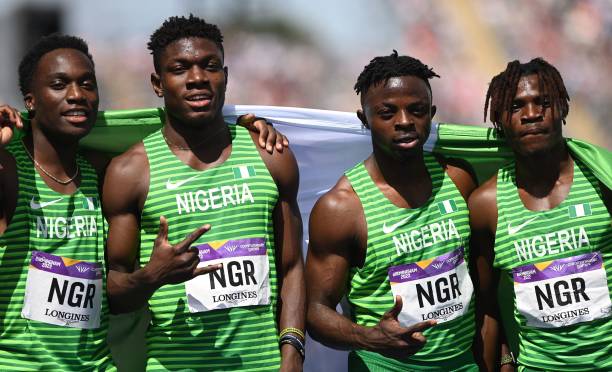
Fresh concerns over athlete welfare in Nigeria resurfaced this week following renewed discussions surrounding sprinter Favour Ashe and the possibility of more Nigerian athletes seeking opportunities abroad.
The conversations gained momentum after Nigeria’s performance at the 2026 World Athletics Relays in Botswana, where the country’s mixed relay team delivered a record-breaking outing.
Despite the achievement, attention quickly shifted back to unresolved concerns about how Ashe expressed desire to switch allegiance from Nigeria to Qatar.
Ashe, regarded as one of Nigeria’s fastest rising sprint stars, had earlier been linked with a possible switch of allegiance to Qatar after reportedly expressing frustration with conditions affecting athletes in the country.
Reports surrounding the situation first emerged earlier this year and continue to generate reactions among fans and sports stakeholders.

He remains one of the most important figures in Nigeria’s next generation of track athletes.
Also read: Favour Ofili Future in Limbo After World Athletics Block – AFN
Having risen from domestic competitions to international recognition, Ashe became widely celebrated for his performances in the 100m event and relay competitions.
His reported dissatisfaction therefore sparked broader conversations about the long-term future of Nigerian athletics.
In recent days, many supporters on social media argued that recurring issues of limited athlete support structures could push more talents to consider competing for other countries.
Others expressed concern that Nigeria risks losing athletes developed within its own system after they reach global level.
Despite the controversy, Ashe recently continued representing Nigeria in international competition, a move many fans praised.
His performances at the World Relays also reignited calls for greater investment in athletics development and athlete welfare programs.
Sports analysts say the situation reflects wider challenges facing athletics across several African countries.
As discussions continue, attention is now focused on whether sports authorities will respond to growing concerns from athletes.