

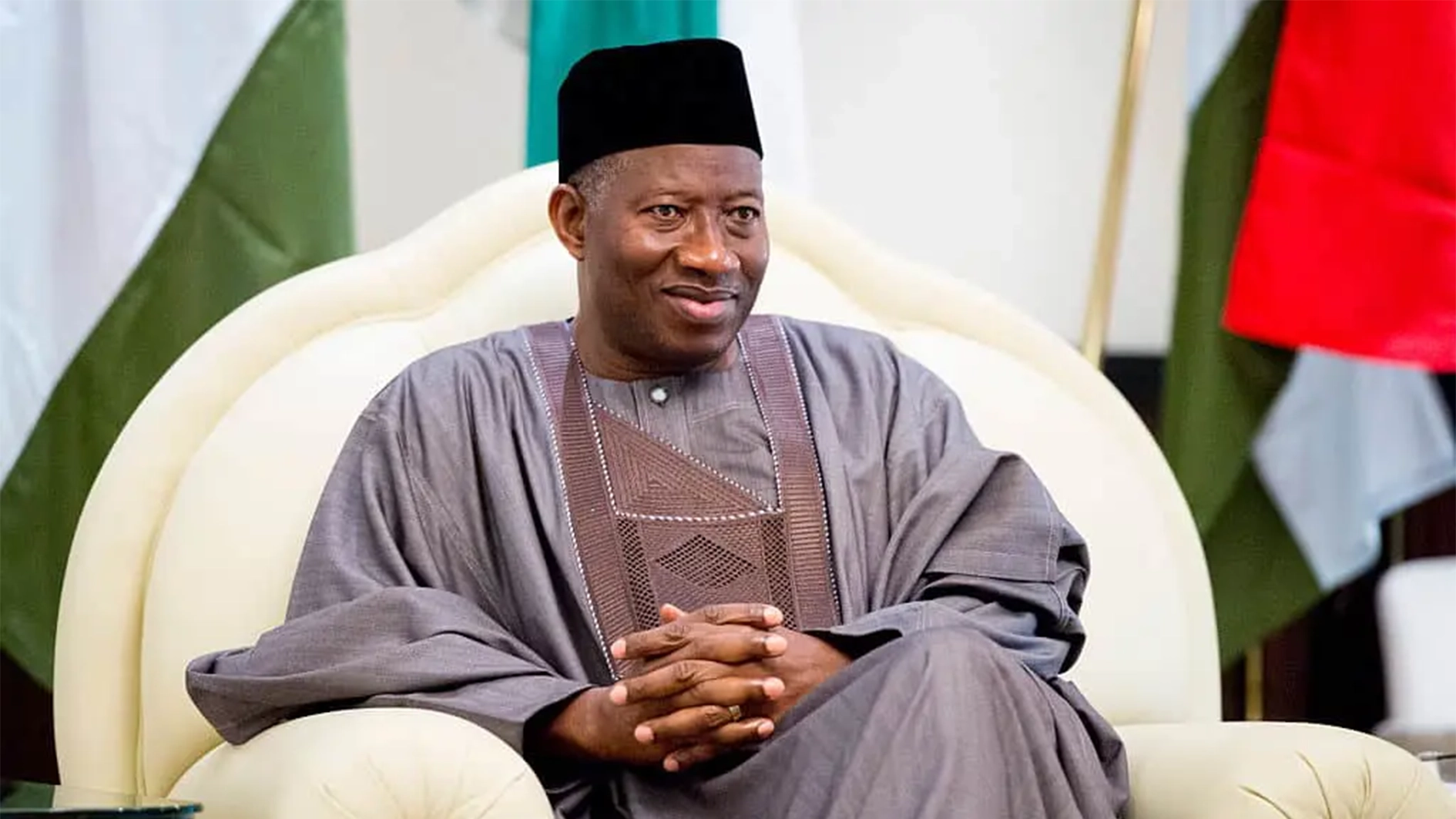
A lawsuit seeking to stop former Nigerian President Goodluck Jonathan from contesting the 2027 presidential election suffered another setback on Friday after proceedings failed to go ahead at the Federal High Court.
The case, filed by lawyer Johnmary Jideobi, is before Justice Peter Odo Lifu. The matter could not proceed because the Independent National Electoral Commission was once again absent from court and had no legal representation present. INEC had also failed to appear during the previous hearing on May 11.
The Office of the Attorney General of the Federation, listed as the third defendant in the suit, informed the court that it had not been served with the originating summons and therefore could not file any response or formally enter appearance.
In view of the developments, Justice Lifu ruled that it was necessary to adjourn the matter in the interest of fair hearing and justice.
The court subsequently fixed May 18 for definite hearing and directed the plaintiff to ensure proper service of all court documents and hearing notices on the relevant parties. At an earlier sitting on May 11, proceedings had also stalled after the plaintiff and his legal counsel failed to appear in court without explanation. INEC and the Attorney General’s office were similarly absent at the time.
Following that absence, counsel to Jonathan, Chris Uche, SAN, had asked the court to strike out the suit for lack of diligent prosecution and requested a ₦5 million cost award against the plaintiff. In the substantive suit, Jideobi is asking the court to restrain Jonathan from presenting himself as a presidential aspirant under any political party ahead of the 2027 elections.
He is also seeking an order preventing INEC from accepting, processing or publishing Jonathan’s name as a presidential candidate. The plaintiff wants the court to determine whether, under Sections 1(1), 1(2), 1(3) and 137(3) of the 1999 Constitution, Jonathan remains eligible to contest for the presidency.
According to the suit, Jonathan had already exhausted the constitutional two-term limit after completing the tenure of late President Umaru Musa Yar’Adua in 2010 before later winning and serving a full four-year term following the 2011 election. In a supporting affidavit, Emmanuel Agida stated that Jonathan assumed office on May 6, 2010, after Yar’Adua’s death, adding that reports suggesting a possible 2027 presidential ambition prompted the legal challenge.
The plaintiff argued that allowing Jonathan to contest again would effectively amount to taking a third presidential oath of office, which he claimed would violate constitutional provisions. He further maintained that the suit was filed in the public interest to protect constitutional supremacy and preserve Nigeria’s democratic order.