

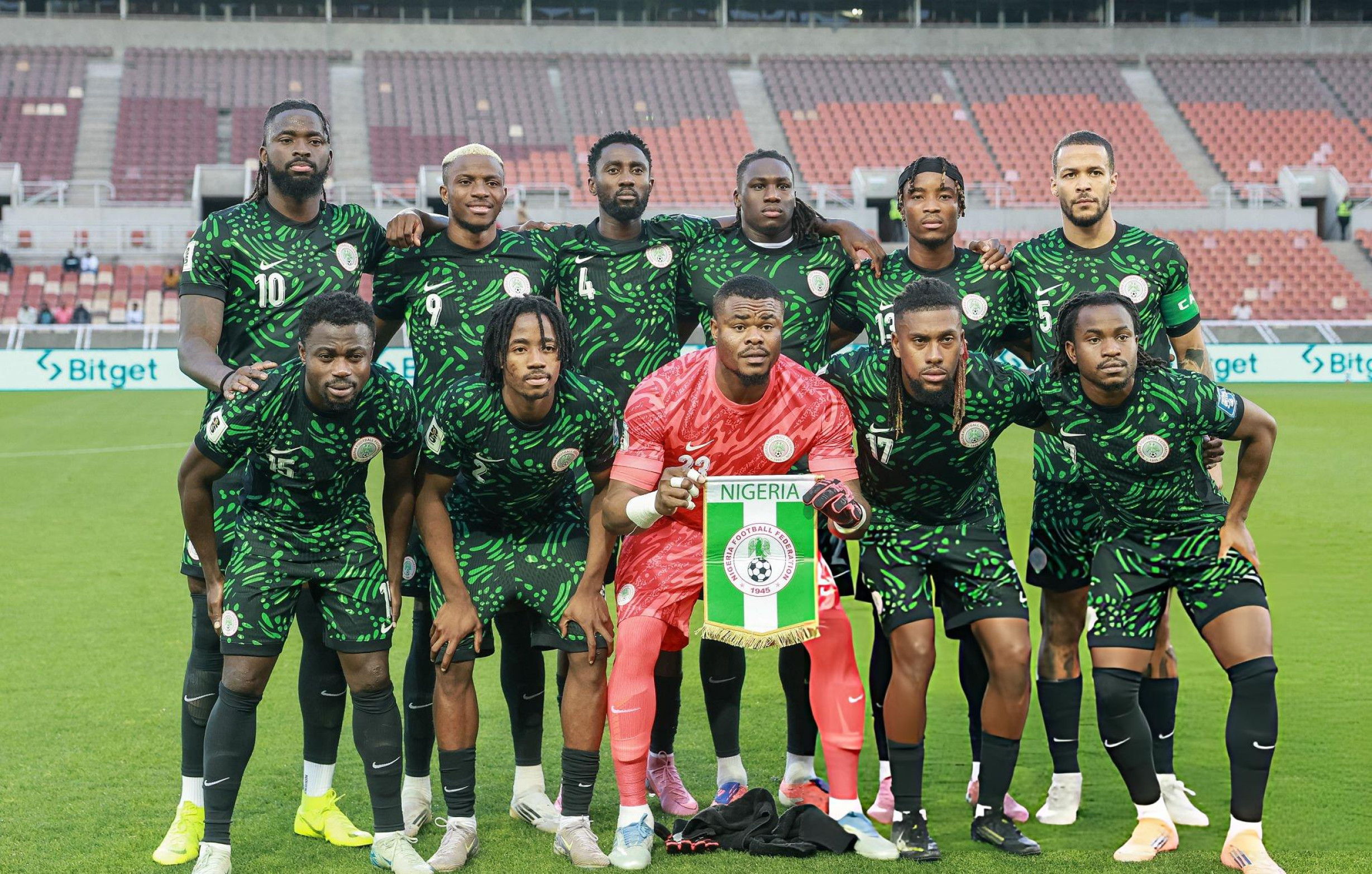
The 2026 FIFA World Cup is less than 30 days away. Forty eight countries will compete in the biggest sporting event on earth, but Nigeria will not be among them.
For many Nigerians, the World Cup has slowly become a distant memory.
The last time the Super Eagles played on football’s biggest stage was in 2018.
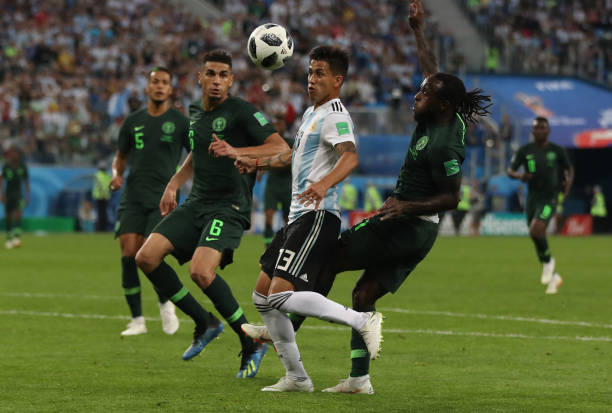
Back then, many Nigerians born in 2003 were still in SS1. Today, a large number of them have graduated from university.
An entire generation has grown up without seeing Nigeria at the World Cup.
Even more painful is the reality that many players from the 2018 squad have now retired, while the current generation of Nigerian footballers has never experienced the atmosphere, pressure, and pride that comes with representing the country at the tournament.
In 2018, qualification felt normal. Nigeria topped one of the toughest CAF qualifying groups ahead of Cameroon, Algeria, and Zambia.
The Super Eagles finished with 13 points and secured qualification with a game to spare.
At the time, Nigerians celebrated casually because World Cup qualification had become the bare minimum.
Nigeria had qualified for four of the previous five editions, so it felt expected rather than historic.
If anyone had predicted then that Nigeria would miss the next two World Cups, perhaps the celebrations would have carried more emotion.
At the 2018 FIFA World Cup, Nigeria was drawn in Group D alongside Argentina, Croatia, and Iceland.
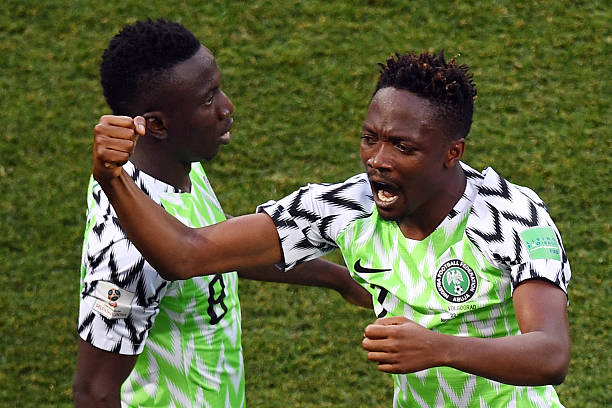
The group stage results were disappointing but competitive:
Croatia 2-0 Nigeria
Nigeria 2-0 Iceland
Nigeria 1-2 Argentina
Nigeria finished third in the group and failed to qualify for the knockout stage. Still, nobody imagined it would become the country’s last appearance for years.
Since then, the World Cup itself has evolved into something even bigger.
The competition has expanded commercially, financially, and culturally, while Nigeria has been left behind.
The 2022 FIFA World Cup in Qatar became a major commercial success.
FIFA generated $7.5 billion in revenue during the 2019 to 2022 cycle.
Argentina received $42 million for winning the tournament, while the total player prize pool rose to $440 million.
The competition also reached more than five billion viewers globally, proving how modern streaming and digital media had transformed the World Cup into a worldwide entertainment machine beyond traditional television.
Now, the 2026 edition in the United States, Canada, and Mexico represents the biggest structural expansion in football history.
The tournament will increase from 32 teams to 48 teams.
The number of matches will rise from 64 to 104. FIFA is expecting a record breaking $13 billion in revenue driven by North American sponsorships, broadcasting power, ticket sales, and corporate partnerships.
Financial rewards have also reached unprecedented levels
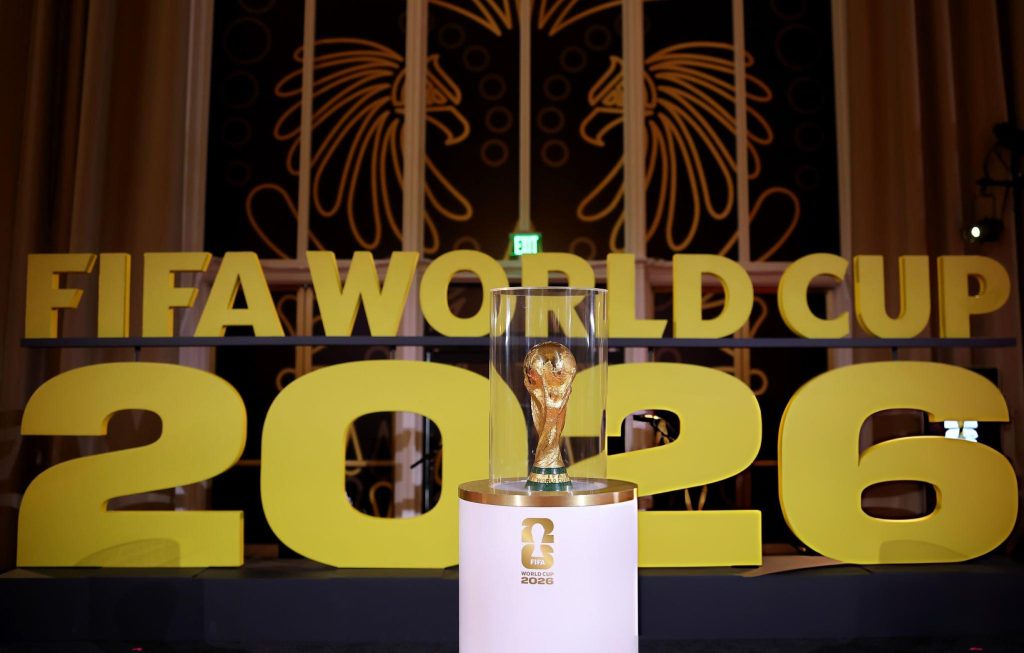
FIFA approved an $871 million distribution package, including a guaranteed minimum payout of $10.5 million simply for participating in the group stage. The eventual champions will receive $50 million.
Nigeria will receive none of it.
The consequences go far beyond football results.
The World Cup is football’s biggest marketplace for talent.
It is where players increase their value, attract elite clubs, and change their careers forever.
Nigeria’s absence means players lose global visibility, while young talents in the domestic league lose opportunities that could transform their lives.
The decline is also institutional. No Nigerian referee was selected among the 52 officials chosen for the 2026 tournament.
It is another painful reminder that Nigeria is slowly disappearing from football’s biggest conversations.
Financially, the damage is enormous. By failing to qualify, the Nigeria Football Federation loses at least $10.5 million in guaranteed FIFA participation funds.
That amount is worth roughly ₦15.5 billion and represents a massive portion of the federation’s annual budget.
Corporate interest also suffers heavily when Nigeria misses the World Cup.
Sponsors reduce investments, apparel sales decline, and commercial partnerships lose value.
During the 2018 cycle, Nigeria’s jersey became a global sensation with millions sold worldwide.
Since then, the absence from consecutive tournaments has weakened that momentum completely.
The local economy also feels the impact
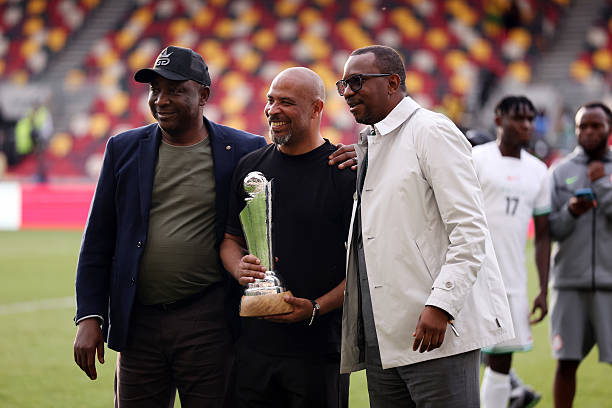
Viewing centers, bars, hotels, travel agencies, media companies, and advertising firms all lose revenue during a period that usually creates massive commercial activity across the country.
Beyond money, there is an emotional emptiness that cannot be measured financially.
Nigeria brings colour to the World Cup. The music, dancing, fashion, passion, and energy surrounding the Super Eagles always made the country one of Africa’s strongest cultural forces in football. That presence has now been missing for two straight tournaments.
Football in Nigeria has always been more than sport. It is one of the few things capable of temporarily uniting people across tribe, religion, and political division.
During World Cup seasons, streets come alive, strangers celebrate together, and millions share the same emotions at the same moment.
Without Nigeria at the tournament, many fans are left watching as neutral observers while other nations create memories on the global stage.
Also read: FIFA 2026 World Cup: NPFL Clubs will Profit from $355m Largesse Despite Super Eagles Heartbreak
The painful reality is that African football continues moving forward while Nigeria struggles to keep pace.
Ten African nations will proudly represent the continent at the 2026 FIFA World Cup, while one of Africa’s biggest football countries watches from home.
Nigeria cannot afford this norm
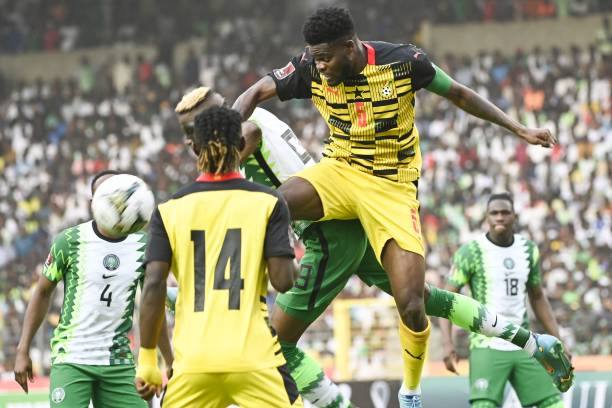
The country must rebuild seriously before the 2030 World Cup. Scouting systems need major improvement. Football infrastructure must be upgraded.
Grassroots development has to become a long term priority instead of an afterthought.
Administrative stability and proper planning are no longer optional if Nigeria wants to return to football’s biggest stage.
The Super Eagles remain one of Africa’s most talented football nations, but talent alone is no longer enough in modern football.
For now, Nigerians will support Africa’s representatives and hope the continent performs proudly on the world stage. But deep down, there is still the feeling that the World Cup is incomplete without Nigeria.
A country that once treated qualification as routine now understands how painful absence can truly be.