

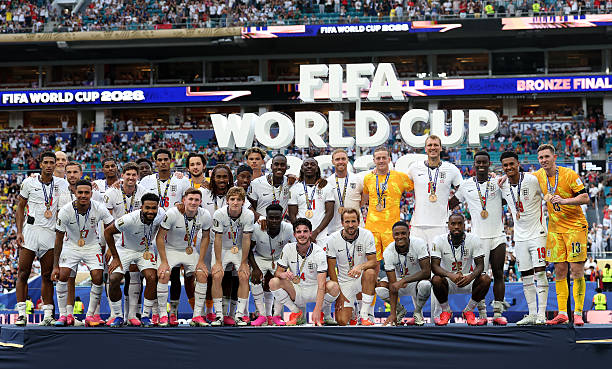
In one of the most entertaining and highest-scoring matches in FIFA World Cup history, England defeated France 6-4 in the 2026 World Cup bronze medal match on Saturday at Hard Rock Stadium.
The thrilling encounter produced 10 goals, surpassing records for a third-place playoff and marking the most goals in any World Cup fixture since 1982.
England, under manager Thomas Tuchel, bounced back from semifinal heartbreak against Argentina to claim their best World Cup finish since winning the tournament in 1966.
France, led by outgoing coach Didier Deschamps in his final game after 14 years at the helm, mounted a valiant second-half comeback but fell short despite Kylian Mbappe‘s brilliance.
The match began with England dominating a seemingly disinterested French side.
Declan Rice opened the scoring in just the third minute with a powerful strike.
Defender Ezri Konsa doubled the lead in the 18th minute, heading home from a corner.
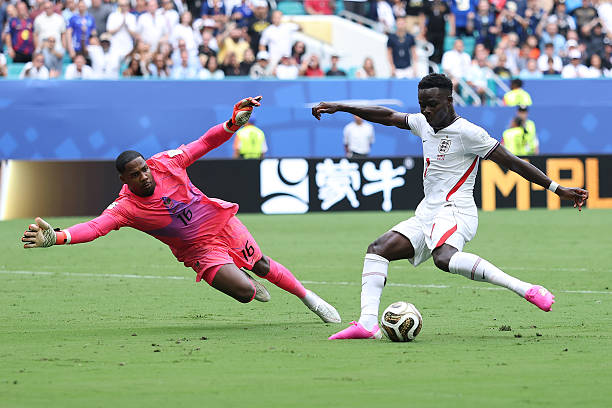
Bukayo Saka then stole the show in the first half, netting twice—once in the 37th minute and again in first-half stoppage time—to send England into the break with a commanding 4-0 advantage.
Mbappe Shines Amid French Struggles
Kylian Mbappe, France’s captain and star forward, delivered a masterclass performance despite the defeat.
He scored twice in the second half—his ninth and tenth goals of the tournament—overtaking Lionel Messi in the Golden Boot race and setting a new all-time World Cup scoring record with 22 career goals.
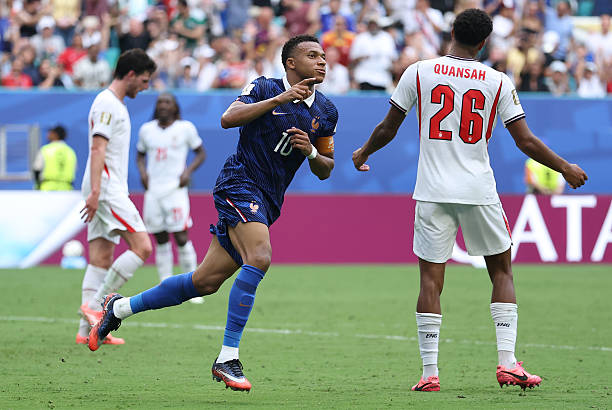
His first came shortly after halftime, and the second in the 66th minute, pulling France back into contention at 4-3.
Mbappe’s pace, clinical finishing, and leadership were pivotal in France’s resurgence, though it ultimately proved insufficient.
Saka and Bellingham Power England to Victory
Bukayo Saka was the standout performer for England, completing a sensational hat-trick.
His third goal came from the penalty spot in the 87th minute after a foul by Malo Gusto, restoring a two-goal cushion at 5-3.
Saka’s composure, dribbling, and finishing under pressure were instrumental in England’s attack.
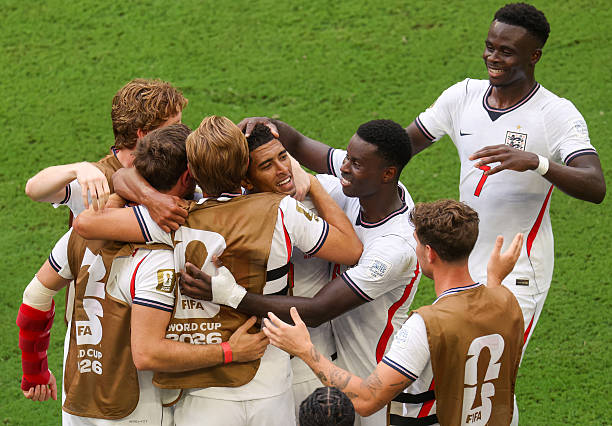
Jude Bellingham, introduced as a substitute, capped a strong tournament with a dramatic goal in the eighth minute of stoppage time.
His seventh goal of the World Cup sealed the 6-4 win after France had narrowed the gap to 5-4 via Ousmane Dembele.
Bellingham’s individual run and composure in the dying moments epitomized England’s resilience.
Coaches’ Impact and Tactical Battles
Thomas Tuchel’s tactical setup for England emphasized high pressing and quick transitions, allowing them to exploit France’s sluggish start.
Despite resting key players like Harry Kane and initially benching Bellingham, Tuchel’s squad showed depth and character.
Post-match, Tuchel praised his team’s response to semifinal disappointment, noting the bronze as a significant achievement.
On the French side, Didier Deschamps faced criticism for the team’s lackluster first-half display, with the coach himself acknowledging pre-match reluctance to play the bronze fixture.
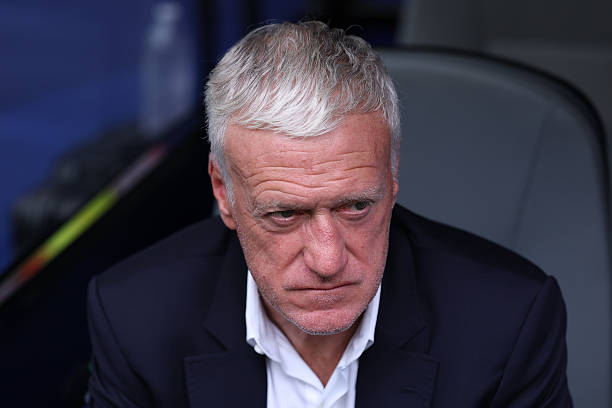
However, his quadruple substitution at halftime—introducing players like Bradley Barcola, who scored, and others—sparked a remarkable comeback.
Barcola and reinforcements like Dayot Upamecano injected energy, turning the game into a goal fest.
Deschamps’ tenure ends on a bittersweet note, with Mbappe’s record-breaking efforts providing a silver lining.
The game featured end-to-end action in the second half, with France reducing the deficit through Mbappe’s brace and additional strikes, but England’s counter-attacking threat and late heroics prevailed.
The 10-goal thriller highlighted attacking brilliance from both nations, though defensive lapses contributed to the chaos in the Miami heat.
This result caps a memorable World Cup for England, who leave North America with bronze medals and renewed optimism.
France, despite finishing fourth, showcased why they remain a football powerhouse, driven by Mbappe’s world-class talent.
For fans of World Cup football, this bronze medal match will be remembered as a classic.