

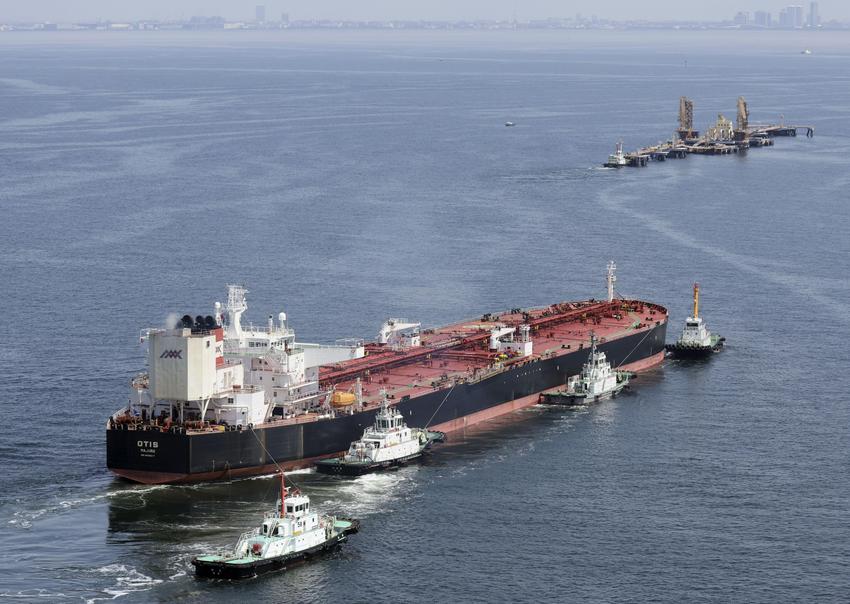

Japan has received its first shipment of Russian oil since global supplies were disrupted by the closure of the Strait of Hormuz at the onset of the Iran war, according to local media reports.
A tanker carrying crude from the Sakhalin-2 energy project in Russia arrived off the coast of Imabari in western Japan on Monday, May 4, reports by TV Tokyo and the Asahi Shimbun said, citing officials from wholesaler Taiyo Oil.
The development comes as Japan faces pressure to secure alternative energy sources, with about 95 percent of its oil imports traditionally coming from the Middle East.
The disruption began after Tehran effectively shut down the Strait of Hormuz following the outbreak of conflict on February 28, creating a major bottleneck in global oil supply. The Sakhalin-2 project, located in Russia’s far east, remains exempt from sanctions imposed on Moscow after its 2022 invasion of Ukraine, allowing Japan to continue limited engagement with the project.
According to reports, Taiyo Oil acted on a request from Japan’s economy ministry to accept the shipment as part of efforts to stabilise supply. The crude will be refined into products such as gasoline and naphtha, which is widely used in manufacturing plastics, chemical fibres, and paints.
Japan’s Prime Minister Sanae Takaichi said the global supply squeeze is having a significant impact on the Asia-Pacific region. “A global oil supply squeeze is inflicting an enormous impact on the Asia-Pacific region,” she said after talks with Australian Prime Minister Anthony Albanese in Canberra.
She added that both countries would take urgent steps to ensure stable energy supplies. The closure of the Strait of Hormuz, through which roughly 20 percent of the world’s oil typically flows, has driven prices sharply higher and intensified concerns about energy security.
Despite strained relations with Russia following sanctions over the Ukraine war, Japan has been forced to balance geopolitical considerations with urgent energy needs.
Takaichi also noted that Japan has taken steps to boost imports from outside the Middle East and expects to maintain sufficient supplies of key petroleum-based products through the end of the year.