

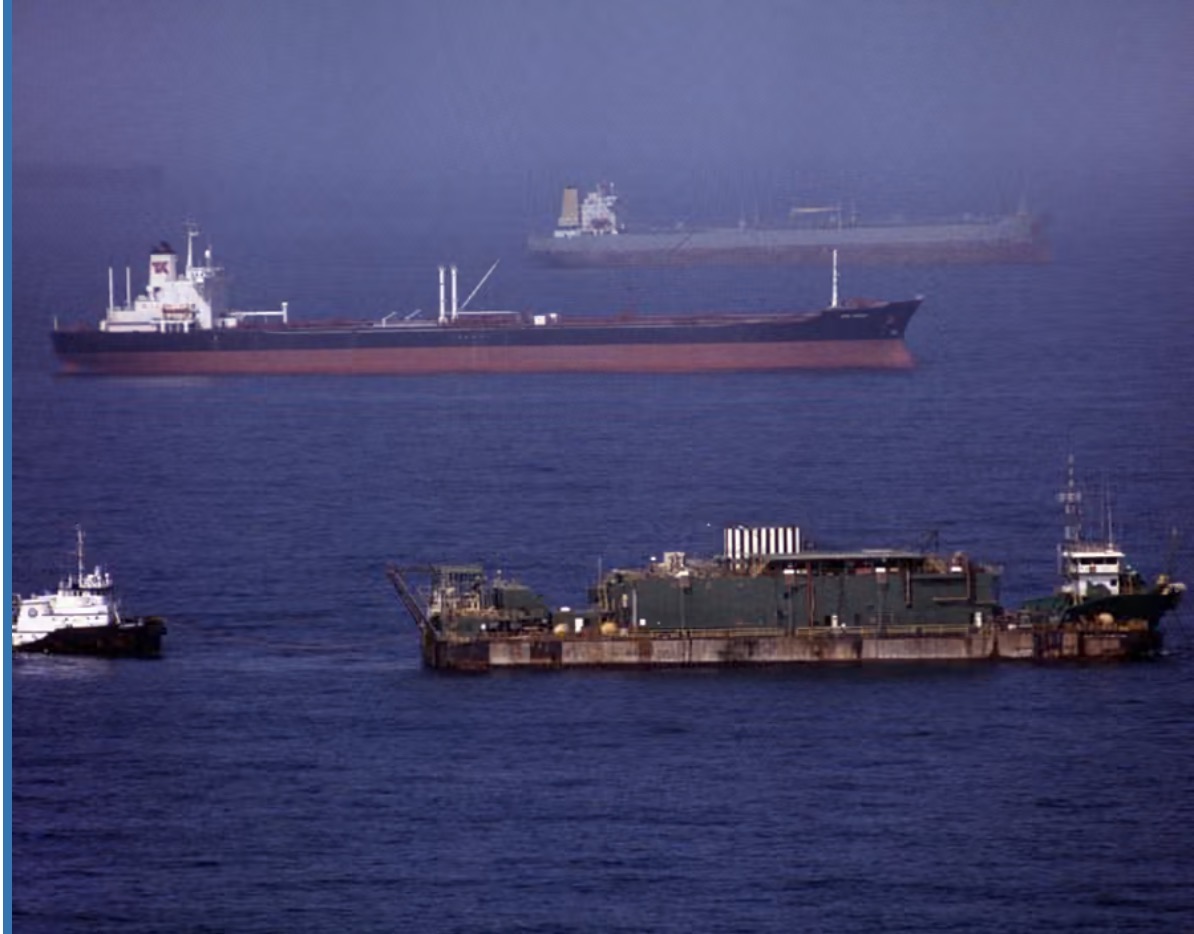
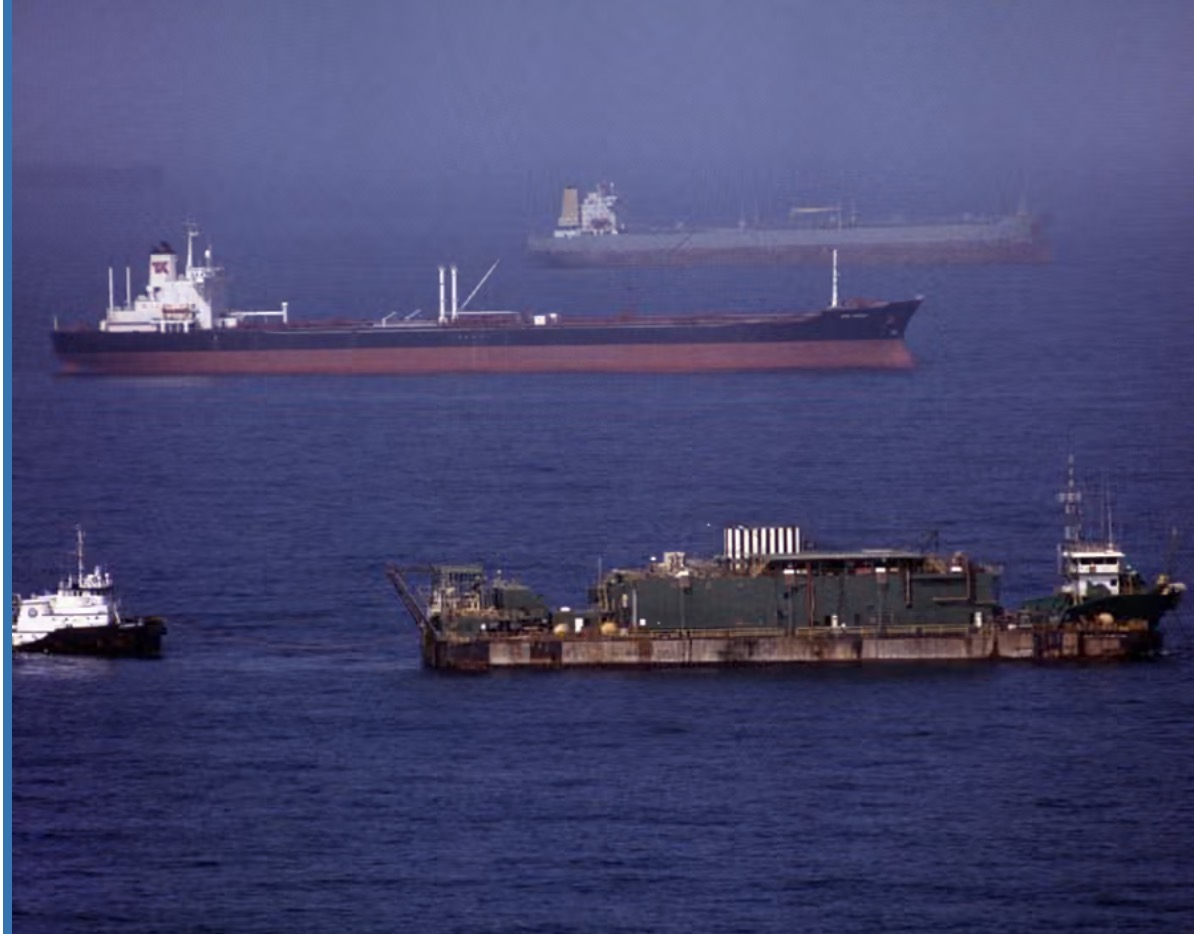
Crude oil exports originating from the Strait of Hormuz have largely rebounded to pre-crisis volumes, driven by adapted transport logistics, increased pipeline usage, and heightened naval escorts.
According to data compiled by trade intelligence firm Kpler, at least 16.5 million barrels per day (bpd) exited the Middle East region in September, matching pre-war averages excluding Iran.
This represents a significant recovery from the monthly low of 10.5 million bpd recorded in March during the initial weeks of the conflict.
Since the conflict began on 28 February with US and Israeli strikes on Iran, Tehran has sought to exert authority over the Strait of Hormuz and at times declared the strategic waterway closed. However, Iran’s control has declined as oil exporters implemented workarounds to bypass disruptions.
Approximately 40 percent of the region’s crude is now transported without transiting the strait, compared with just 17 percent before the war, utilizing Saudi and Emirati overland pipelines.
Saudi Arabia successfully restarted operations on its east-west pipeline in late September following repairs from drone attacks, enabling exports to resume from the Red Sea port of Yanbu.
To navigate the strait, the majority of crude is carried on a shuttle fleet of very large crude carriers operating with their satellite transponders turned off.
Cargoes are transferred onto different tankers in open waters off the coast of Oman or Fujairah in the United Arab Emirates. Over 70 percent of crude passing through the strait in August changed tankers, whereas almost no Gulf crude underwent ship-to-ship transfers before the conflict.
Despite the rebound in raw crude, the recovery remains unbalanced as supplies of refined petroleum products like diesel stay heavily constrained. Kpler analytics indicate that refined product shipments moving through the strait hover below 20 percent of pre-war levels, averaging 677,000 bpd compared to 3.6 million bpd previously.
This bottleneck has driven global fuel costs higher, with average retail diesel prices in the UK hitting a record 199.18p per liter.
Shipping industry experts caution that operational resilience does not equate to long-term security. The underlying volatility was demonstrated when three Liberian-flagged tankers were struck by projectiles while navigating the waterway.
Consequently, Brent crude benchmarks remain elevated, touching $101 per barrel as traders weigh supply recoveries against ongoing geopolitical uncertainty and reports that China has suspended exports of oil products beyond Hong Kong and Macau.