

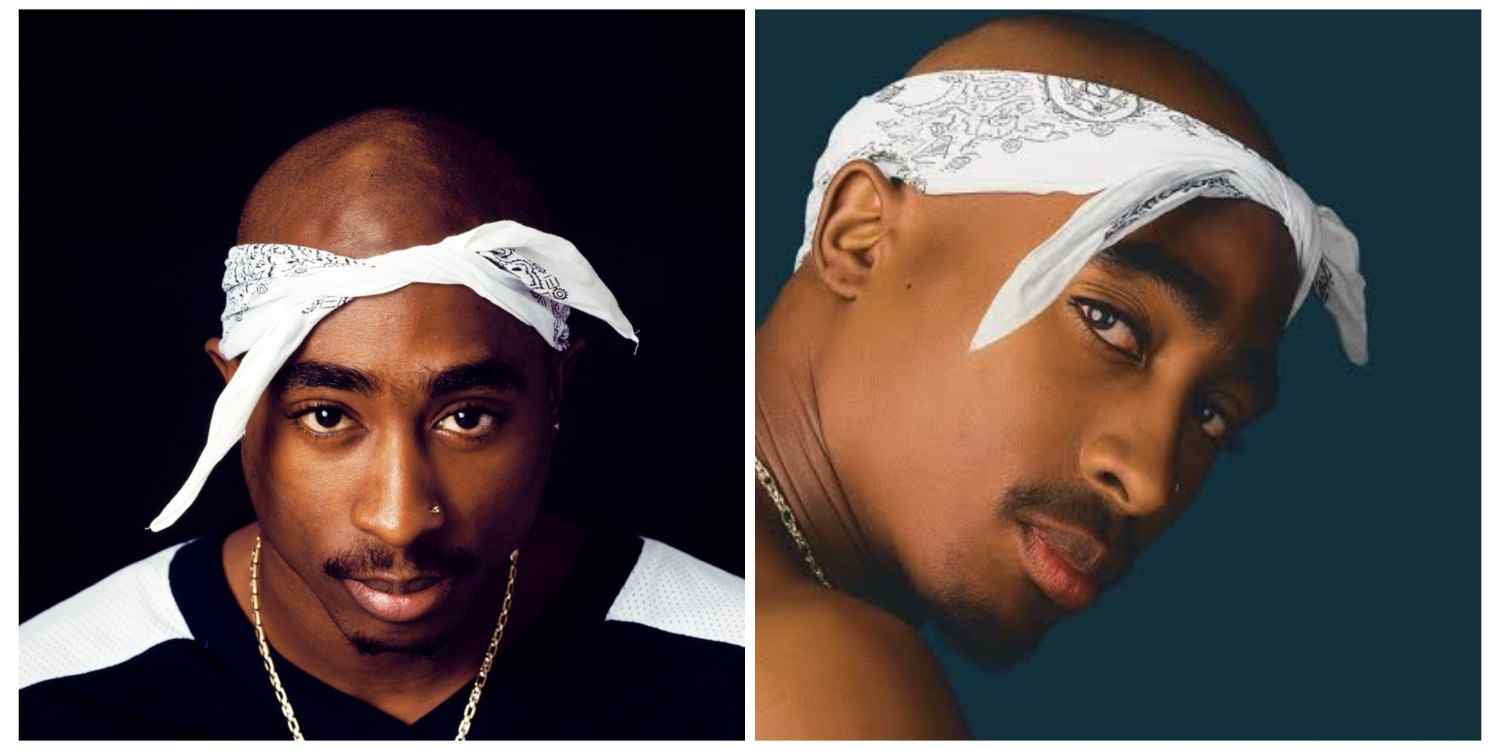
Duane “Keffe D” Davis, a former Los Angeles gang member, was found guilty on Monday by a Las Vegas court of the 1996 murder of chart-topping rapper Tupac Shakur.
After only a few hours of deliberation, the jury convicted Davis, 63, of murder, thirty years after the rap legend’s death.
Duane Davis (C) and his attorney Michael Sanft are escorted back to a courtroom on August 31, 2026, to hear his sentencing date after a jury convicted Davis guilty in the 1996 murder of rapper Tupac Shakur at Clark County District Court at the Regional Justice Center in Las Vegas, Nevada.
On August 31, a Las Vegas judge found Duane Davis, a former Los Angeles gang member, guilty of murdering rapper Tupac Shakur in 1996.
After only a few hours of deliberation, the jury found Davis, 63, guilty of murder 30 years after the rap legend died in a Las Vegas casino.
“Count one, murder with use of a deadly weapon, guilty of first-degree murder with use of a deadly weapon,” the foreperson of the jury announced to the court.
Davis, who faces up to life in jail without parole, addressed Judge Carli Kierny after the decision was announced and declared his desire to appeal.
The former head of the South Side Compton Crips was suspected of ordering the hip-hop artist’s murder on September 7, 1996, after members of Shakur’s entourage beat his nephew at a Las Vegas casino.
“Duane Davis, in the culture of gangs, could not let that stand,” prosecutor Binu Palal stated during closing remarks. “Well, what did he do? He obtained a handgun, gathered his group, and began looking for Mr Shakur.”
Shakur, who was in Las Vegas for a Mike Tyson heavyweight fight, was shot approximately two hours after the casino incident by a gunman in a white Cadillac who pulled up next to the rapper’s BMW at a red light.
According to authorities, Davis delivered the gun to someone seated in the rear seat of the Cadillac and told them to kill Shakur, who died six days later.
Davis is the only person who was in the Cadillac that evening who has survived.
The driver of the BMW, Death Row Records co-founder Marion “Suge” Knight, was injured.
The murder of Shakur, better known as 2Pac, has become one of America’s most famous cold cases, sparking unending debate among music enthusiasts about who did it and why.
Davis, whose Crips were one of a slew of rival gangs that controlled portions of Los Angeles in the 1990s, is the only individual charged in Shakur’s shooting.
The sentencing is planned for October 13.
Investigation and Confession
The investigation into Shakur’s murder stalled for decades due to a lack of evidence, but it was restarted after Davis’ memoirs were published in 2019.
Davis has consistently boasted about his involvement in Shakur’s murder over the years, including in interviews with law enforcement and the media, as well as in his autobiography “Compton Street Legend.”
He has now recanted and pleaded not guilty to the murder accusation.
The prosecution, Palal, aired video from Davis’ multiple supposed confessions during his final statements.
Davis’s defense attorney, Michael Sanft, described his client’s confessions as fabrication and lies, intended to sell his book.
“You’re reading a book that is fiction and not fact,” Sanft told the jurors. “But the state wants you to believe that this is somehow a confession, that he was there and present at the time of the shooting.”
According to Sanft, the only evidence linking Davis to Shakur’s murder is his own comments.
Davis’ lawyers unsuccessfully attempted to prevent the book, as well as remarks he made in an interview with police in 2008, from being used as evidence in the trial.
Who was Tupac Shakur?
Shakur, who died at the age of 25, was a key figure in a hip-hop rivalry between the East and West coasts of the United States.
Shakur, the son of a Black Panther, was raised in Harlem and Baltimore but rapidly rose to the pinnacle of California hip-hop when he joined Death Row Records in Los Angeles. His successes include “California Love” and “All Eyez on Me.”