

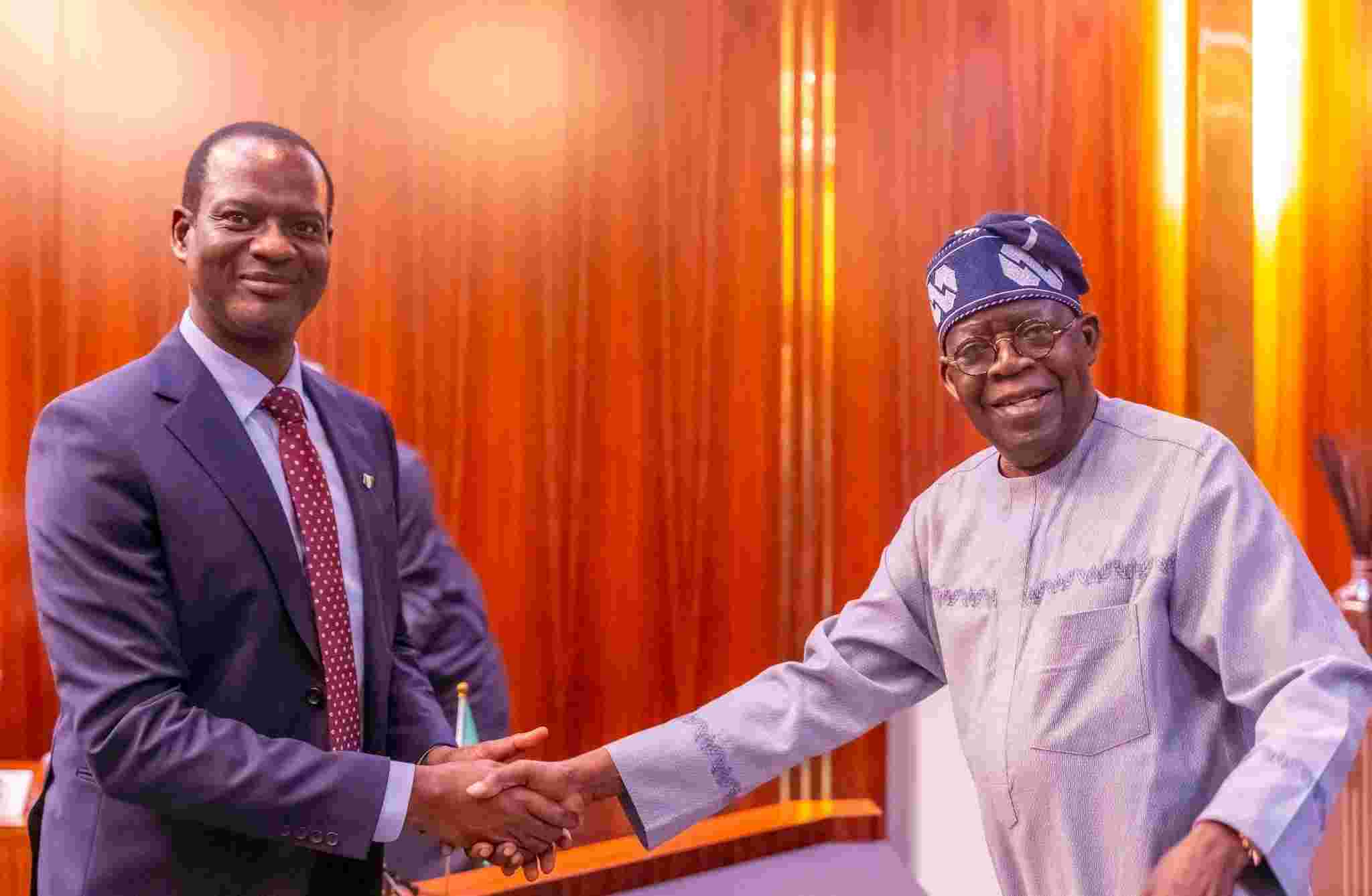
The Chairman of the Presidential Committee on Fiscal Policy and Tax Reforms, Taiwo Oyedele, has explained how the Federal Government has utilised savings from the removal of fuel and foreign exchange subsidies, saying the funds have been channelled into debt servicing, salary increases, student loans and other key obligations.
Speaking on Thursday, July 30, at the 7th Africa Emerging Markets Forum in Abuja, Oyedele said the government would soon publish a detailed breakdown of how the subsidy savings had been spent, stressing that Nigerians deserved transparency.
Responding to concerns over the utilisation of the funds, he described the question as legitimate, noting that the combined cost of fuel subsidy and what he called the “subsidy on foreign exchange” accounted for about five per cent of Nigeria’s Gross Domestic Product (GDP). “But the money saving is also important. In a few days, you will see the detailed analysis because we believe that we owe a duty to explain what we do to the Nigerian people. That’s what transparency looks like,” Oyedele said.
He explained that part of the savings had been used to clear the government’s Ways and Means obligations, service rising debt costs and fund the implementation of the new national minimum wage. “If you stop printing money, the spending doesn’t disappear. You need to finance the money you were printing before. That was part of where the savings went,” he said.
Oyedele added that higher interest rates had significantly increased the government’s debt servicing costs, with borrowing rates rising from around eight per cent to as much as 24 per cent. “Instead of paying eight per cent on our debt, we’re paying as high as 24 per cent. When you need to service debts, you don’t debate whether you need to pay. You pay, and you pay on time,” he said.
He also noted that increasing the national minimum wage from N30,000 to N70,000 had nearly doubled the Federal Government’s wage bill. According to Oyedele, the savings have also supported the Nigerian Education Loan Fund (NELFUND), through which more than 1.5 million students have received tuition support and monthly stipends.
He said the programme had eased the financial burden on millions of households, allowing families to redirect resources to businesses and other essential needs. “We will provide a detailed explanation of how much we saved and how the money has been spent,” he assured.
Addressing concerns over the government’s continued borrowing despite exceeding its revenue targets, Oyedele explained that higher-than-expected revenue does not eliminate the need for borrowing when planned expenditure still exceeds total income. “If you have a budget to spend 10 and your revenue target is six, you need to borrow four. If you eventually collect seven, you have exceeded your revenue target, but you still need to borrow three,” he said.
He maintained that borrowing was not inherently problematic as long as the funds were invested productively. “We must add more value than the cost of every naira and every dollar that we borrow,” Oyedele added.