

For almost two decades, football had learned one lesson the hard way. Never write off Lionel Messi.
Not when Argentina trailed. Not when the clock ticked towards full-time. Not when hope appeared lost, because somehow, somewhere, the little magician always found one last trick hidden in his boots.
He rescued Argentina against Egypt.
He inspired them against Switzerland.
He orchestrated another unforgettable comeback against England.
Every chapter of Argentina’s title defence seemed to end the same way, with Messi standing at the centre of another miracle, but on Sunday night at MetLife Stadium, the magic finally ran out.
Spain refused to become another victim.
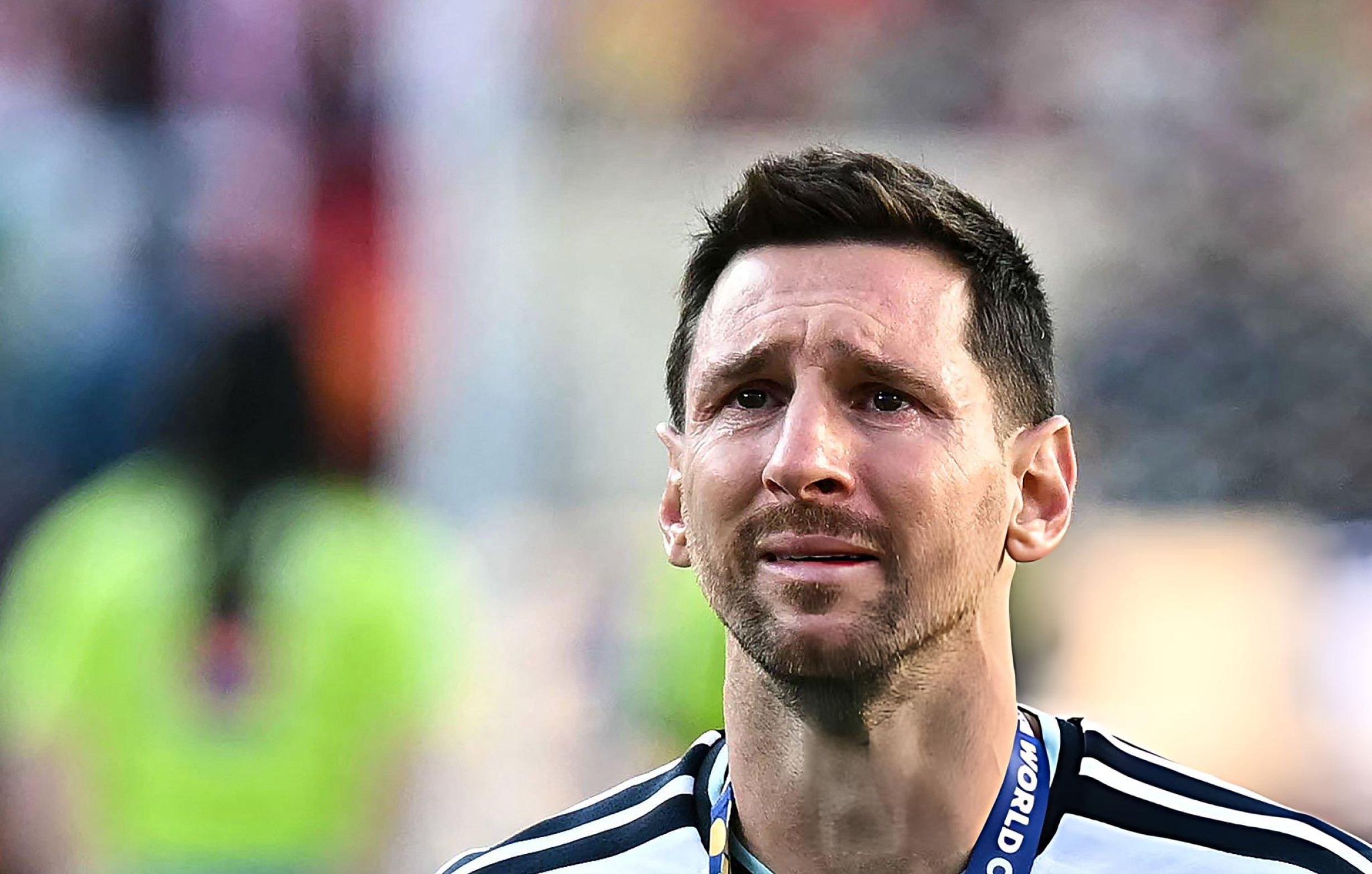
Instead, it was Lionel Messi, the man who had made millions believe the impossible was always possible, who walked away with tears streaming down his face as Argentina’s dream of consecutive FIFA World Cup titles came to a heartbreaking end.
Torres’ Extra-Time Strike Breaks Argentina Hearts
The reigning world champions were just moments away from taking the final to penalties before disaster struck.
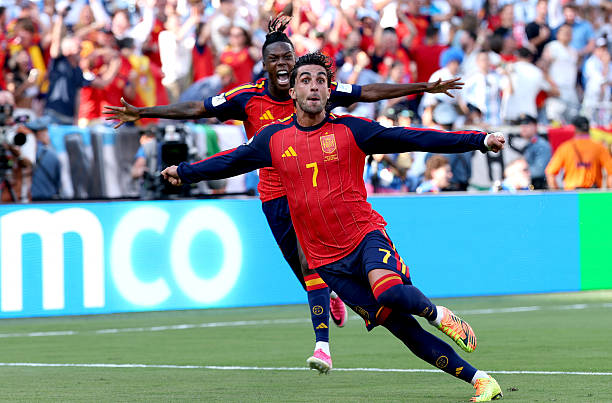
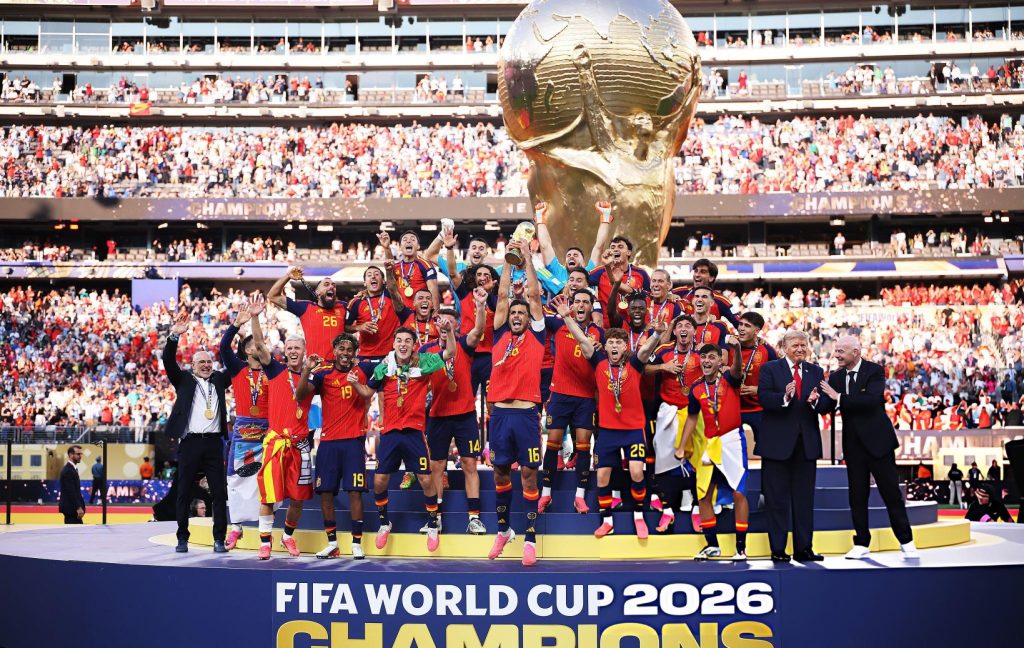
Only 37 seconds into the second period of extra time, substitute Ferran Torres latched onto his opportunity and fired Spain to a 1-0 victory, sealing La Roja’s second FIFA World Cup title.
The goal shattered Argentina’s hopes of becoming the first men’s team since Brazil in 1962 to successfully defend the World Cup.
While Spanish players sprinted towards the corner in wild celebration, Argentina’s stars collapsed onto the turf in disbelief.
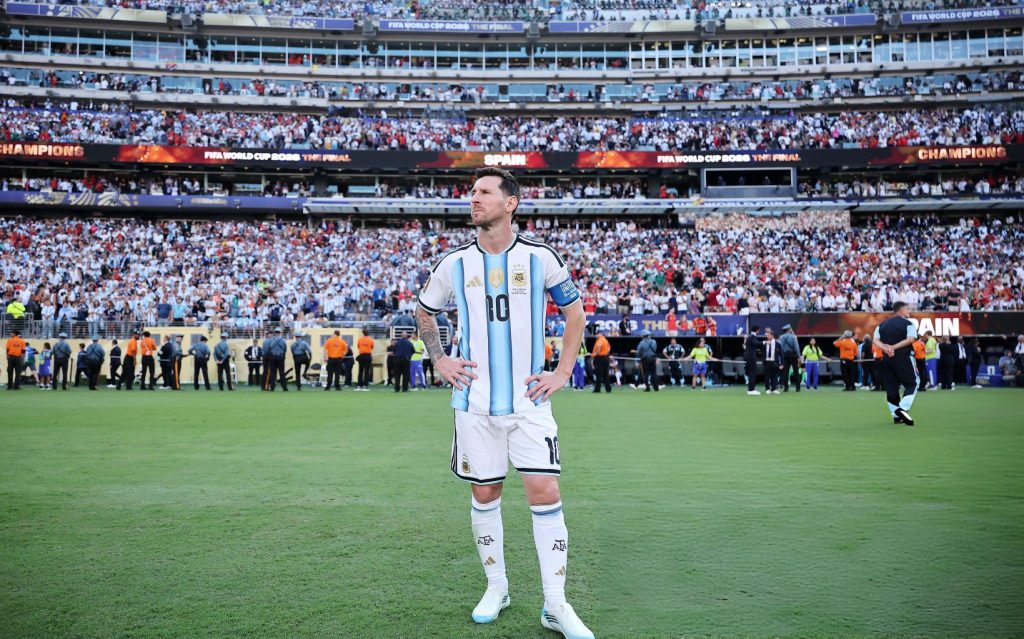
And at the centre of it all stood Messi.
Motionless.
Broken.
Speechless.
The Image That Defined the Final
As gold confetti rained down over Spain’s celebrations, the football world witnessed a sight few ever imagined.
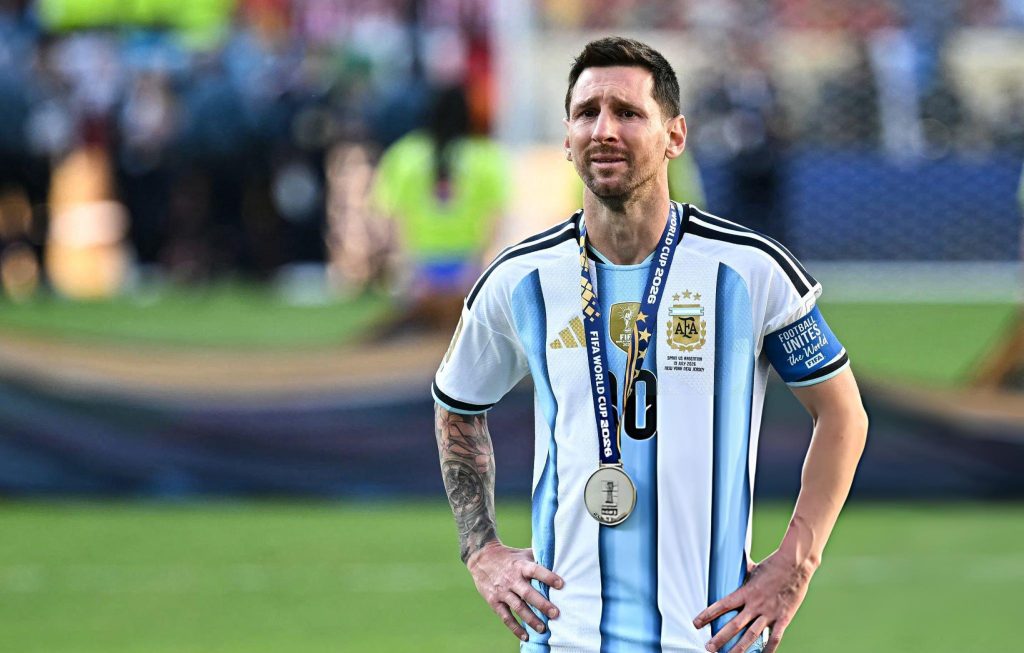
Lionel Messi was crying.
The eight-time Ballon d’Or winner, whose career has been built on impossible moments and unforgettable triumphs, could not hold back the emotion.
His shoulders slumped.
His head bowed.
His eyes filled with tears.
Several Spain players abandoned their celebrations to console the Argentine captain before the trophy presentation.
Messi later walked slowly toward Argentina’s supporters, who rose to applaud the man who has carried their dreams for nearly two decades.
He tried to smile.
He couldn’t.
Scaloni Delivers Emotional Tribute to the Greatest
Argentina manager, Lionel Scaloni admitted that the pain of the defeat would linger, but insisted the world should celebrate everything Messi has given football.
“I hope that everyone feels proud of him, of what he’s achieved because he’s the best football player ever stepping foot on a pitch.”
Scaloni also revealed he had not yet spoken to Messi about his international future, leaving uncertainty over whether the World Cup final was the legendary forward’s final appearance in Argentina’s famous sky-blue and white shirt.
Messi had previously suggested Qatar 2022 would be his last World Cup before stunning the football world by returning for a record-breaking sixth tournament.
Now, nobody knows if there will be another chapter.
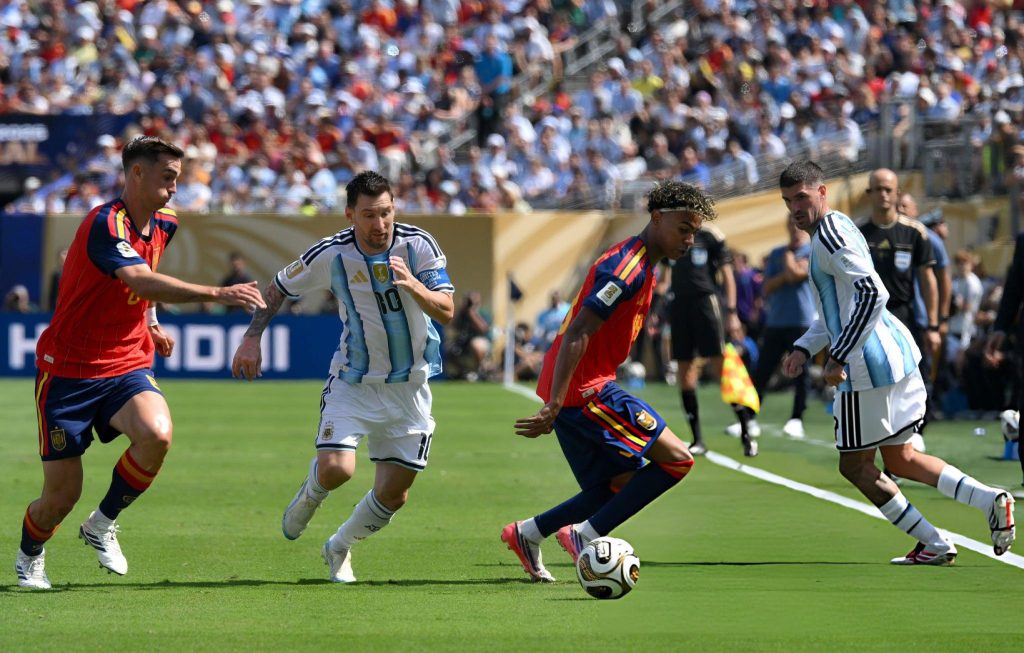
Spain’s Perfect Plan Silences the Greatest
For perhaps the first time in this tournament, Messi never found the rhythm that had inspired Argentina’s remarkable run to the final.
Spain made stopping him their priority.
And it worked.
Messi managed only 15 touches during the opening half and finished with just 54 touches throughout the match.
His trademark bursts through the middle never came.
His famous left foot never truly threatened.
His passes into dangerous areas repeatedly broke down.
Spain simply refused to allow him space.
Coach Luis de la Fuente admitted exactly what the plan had been.
“The first idea was to keep Messi at bay.”
His players executed it to perfection.
Ferran Torres, whose goal ultimately decided the final, admitted the mere presence of Messi had created nerves.
“When you have Messi on the other side, well, you are nervous,” Torres said.
“At the end of the day, we always depended on us. We always come up with our football, and we showed it again.”
A Final Full of Records… But No Trophy
Although the night ended in heartbreak, Messi still added more remarkable milestones to an already unmatched career.
The 39-year-old became:
- The first footballer ever to start three FIFA World Cup finals.
- Only the second player after Brazil’s Cafu to appear in three different World Cup finals.
- The oldest outfield player to appear in a World Cup final at 39 years and 25 days.
He also finished the tournament with eight goals and four assists after once again dragging Argentina deep into the competition.
Across six World Cups, Messi leaves behind astonishing numbers.
- He played 31 World Cup matches.
- He scored 21 World Cup goals.
- He registered nine assists.
- He lifted the trophy in Qatar 2022.
- He won two Golden Ball awards as the tournament’s best player.
And for many, he leaves as the greatest footballer ever to play the game.
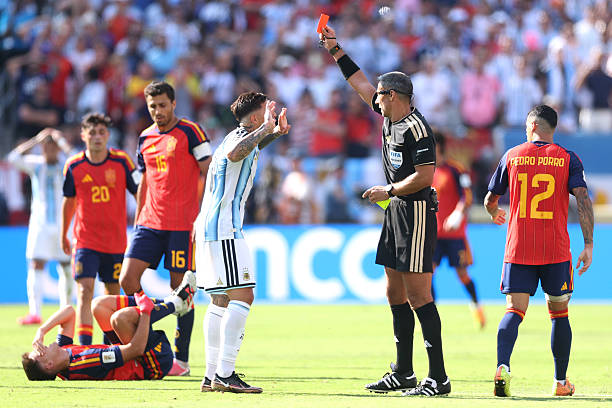
One Last Battle That Wasn’t Enough
Argentina’s challenge became even tougher after Enzo Fernández was sent off in second-half stoppage time, forcing the reigning champions to play extra time with ten men.
Still, they fought.
Still, they believed, but unlike previous rounds, Messi could not produce another miracle.
Not this time.
After carrying Argentina through comeback victories over Egypt, Switzerland and England, even football’s greatest escape artist eventually ran out of magic.
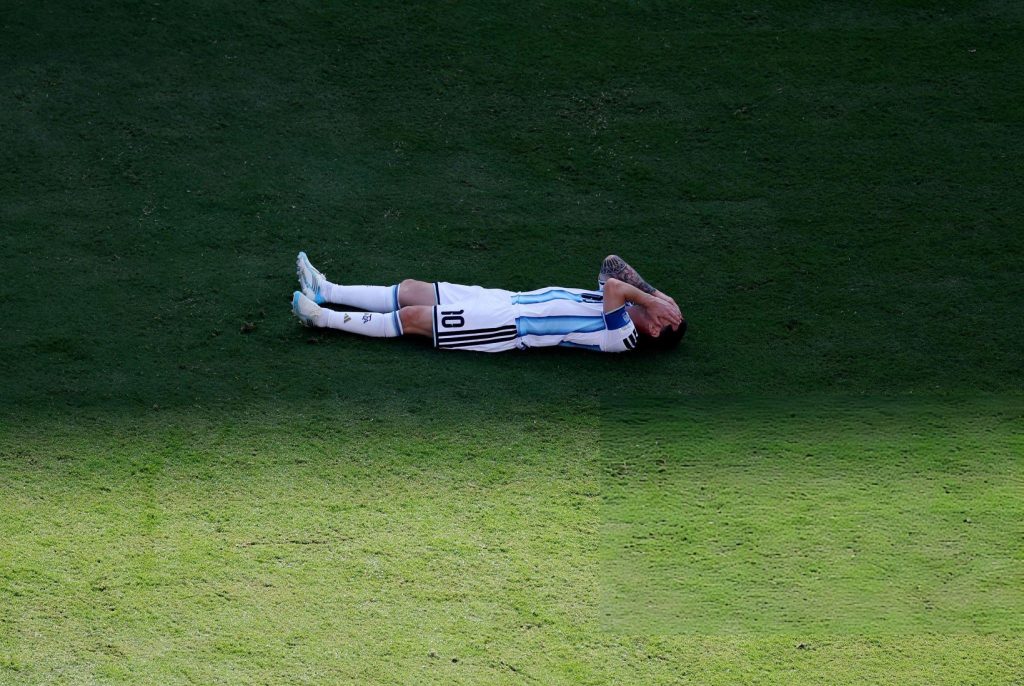
The End… Or Just Another Pause?
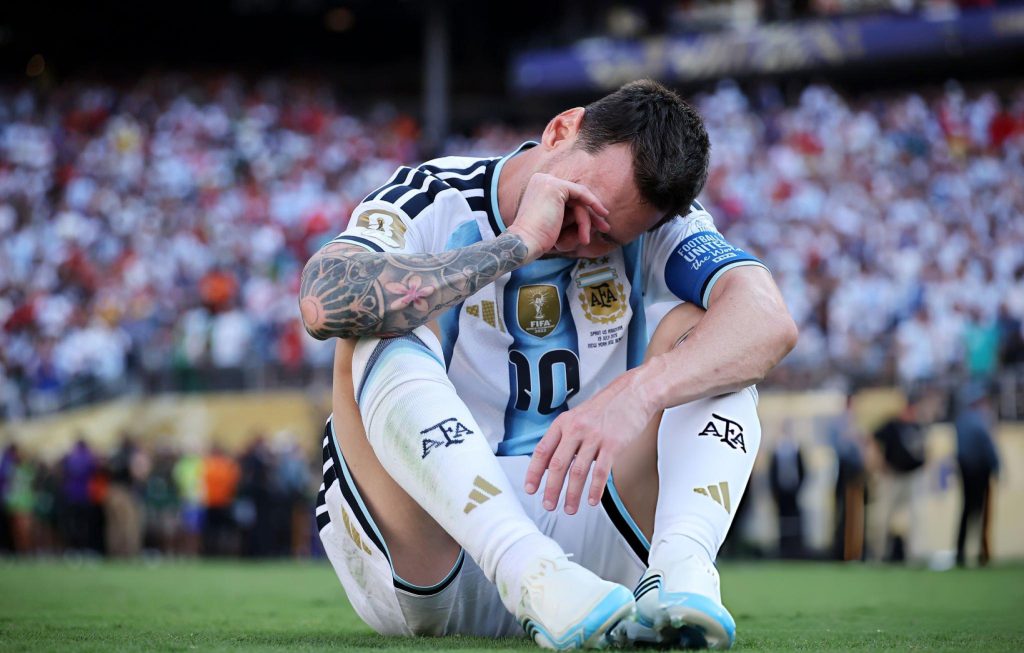
As the final whistle sounded, Messi dropped onto the grass.
He stared into the night sky.
Around him, Spanish players celebrated becoming world champions.
Minutes later, Spain formed a guard of honour as Argentina collected their runners-up medals.
Messi walked through it with a blank expression while opponents gently patted him on the back in recognition of an extraordinary career.
Then he disappeared down the tunnel.
Without speaking.
Without revealing whether this was goodbye.
His international future remains unknown.
More Than a Defeat
Spain deserved the title.
La Roja dominated possession, controlled the tempo and overwhelmed Argentina with a remarkable 20-2 advantage in shots while completing 845 passes to Argentina‘s 433.
Yet long after the statistics are forgotten…
Long after Ferran Torres’ winning goal fades into history…
Long after Spain lift another World Cup…
The lasting image from MetLife Stadium may not be the champions celebrating.
It will be Lionel Messi.
The boy from Rosario who became football’s greatest artist.
The captain who gave Argentina a third World Cup.
The genius who made an entire generation believe in miracles.
Standing alone.
Fighting back tears.
This is because for the first time in what felt like forever, even Lionel Messi couldn’t save Argentina.