

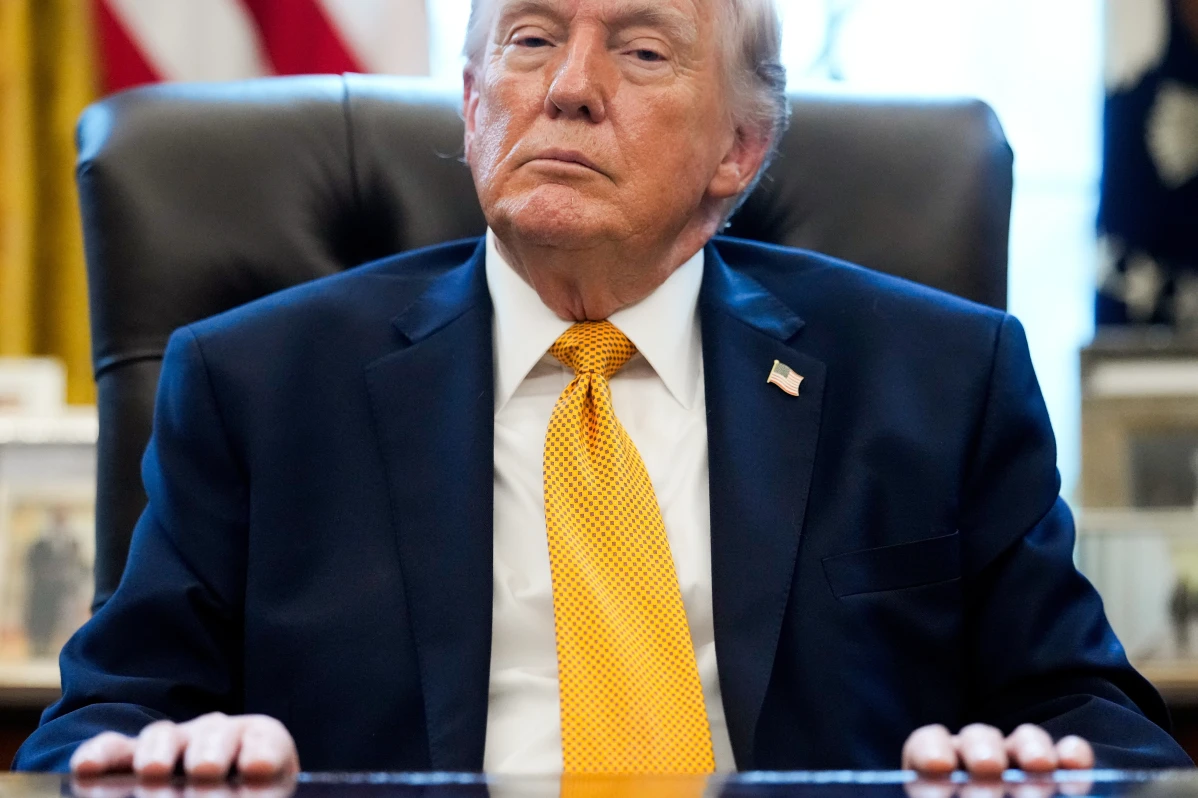
U.S. President Donald Trump on Tuesday sharply criticized NATO allies over their refusal to support efforts to reopen the Strait of Hormuz, declaring that the United States does not need their help in confronting Iran.
Speaking at the White House while hosting Irish Prime Minister Micheál Martin, Trump said the military alliance had failed a key test of loyalty.
“I think NATO is making a very foolish mistake,” Trump said. “I’ve long said that I wonder whether or not NATO would ever be there for us. So this was a great test.”
His remarks came after several U.S. allies declined to join a proposed mission to escort ships through the strategic waterway. French President Emmanuel Macron said France would “never” participate under current conditions, insisting the situation must first stabilize.
Despite the pushback, Trump maintained that Washington is fully capable of acting alone.
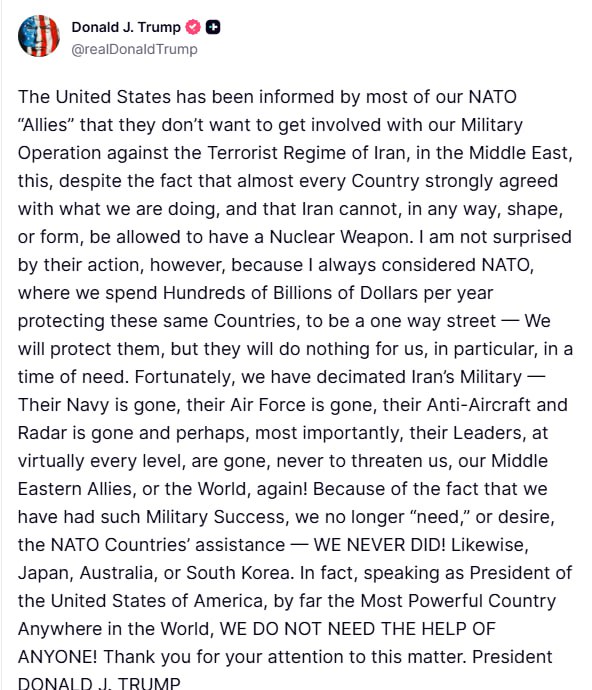
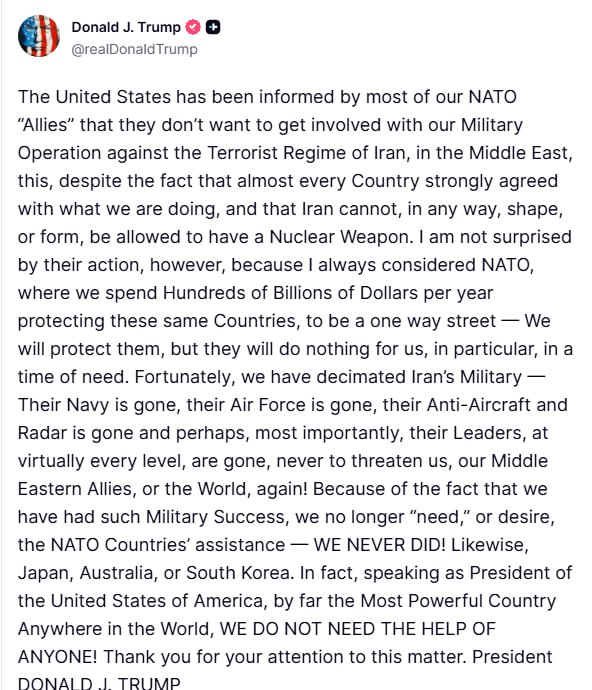
“We don’t need too much help. We don’t need any help,” he said, adding in a separate social media post that the U.S. had achieved enough military success to no longer require NATO’s involvement.
Trump also widened his criticism, describing the alliance as a “one-way street” and claiming that countries including Japan, Australia and South Korea were unwilling to get involved. He suggested the U.S. relationship with NATO could be reconsidered, though he noted no immediate plans for change.
The president took aim at individual leaders, saying British Prime Minister Keir Starmer had not been supportive and calling it a “big mistake.” He also dismissed Macron’s stance, saying the French leader would soon leave office.
Tensions around the Strait of Hormuz remain high after Iran targeted regional energy infrastructure and threatened oil tankers, disrupting one of the world’s most critical shipping routes, which handles a significant share of global crude supply.
Trump offered mixed signals about the broader conflict, describing the situation in Iran as “just a military operation” and suggesting U.S. involvement could end soon, while remaining vague about long-term plans for the country’s leadership.
The conflict has intensified across the Middle East, contributing to rising global oil prices and increasing pressure on U.S. allies to clarify their positions.