

African football was thrown into sudden uncertainty after the Confederation of African Football announced the shock postponement of the 2026 Women’s Africa Cup of Nations (WAFCON) just 12 days before the tournament was scheduled to begin.
The competition, originally planned for 17 March to 3 April 2026 in Morocco, will now be played between 25 July and 16 August 2026, following consultations between CAF and several stakeholders.
The decision has disrupted months of planning across the continent and raised questions about the circumstances that forced the late change.

CAF Confirms WAFCON 2026 Postponement
In an official statement released on 5 March, the Confederation of African Football confirmed that discussions with partners, including FIFA, led to the decision to reschedule the tournament.
CAF stated:
“In October 2024, the Confédération Africaine de Football (“CAF”) granted the hosting rights for the TotalEnergies CAF Women’s Africa Cup of Nations (“WAFCON”) 2026 to Morocco and this tournament was scheduled for 17 March to 3 April 2026.”
“After discussions between CAF and its partners, FIFA and other stakeholders, CAF decided to reschedule the dates of the TotalEnergies CAF WAFCON 2026, to 25 July – 16 August 2026; to ensure the success of this important women’s competition, in the light of certain unforeseen circumstances.”
“Preparations for the TotalEnergies CAF WAFCON 2026 are underway and all the parties are confident that it will be very successful.”
Morocco had been confirmed as host in October 2024, and preparations for the tournament had been ongoing before the sudden shift in dates.
Morocco Requested the Change
According to CAF, the request to move the tournament came from the host nation.
Officials cited “unforeseen circumstances” as the key reason behind the postponement, though the governing body did not provide detailed explanations about the specific issues that forced the change.
The late decision has triggered widespread speculation within African football circles, especially because the tournament was already in its final preparation phase.
2027 Women’s World Cup Qualification Stakes
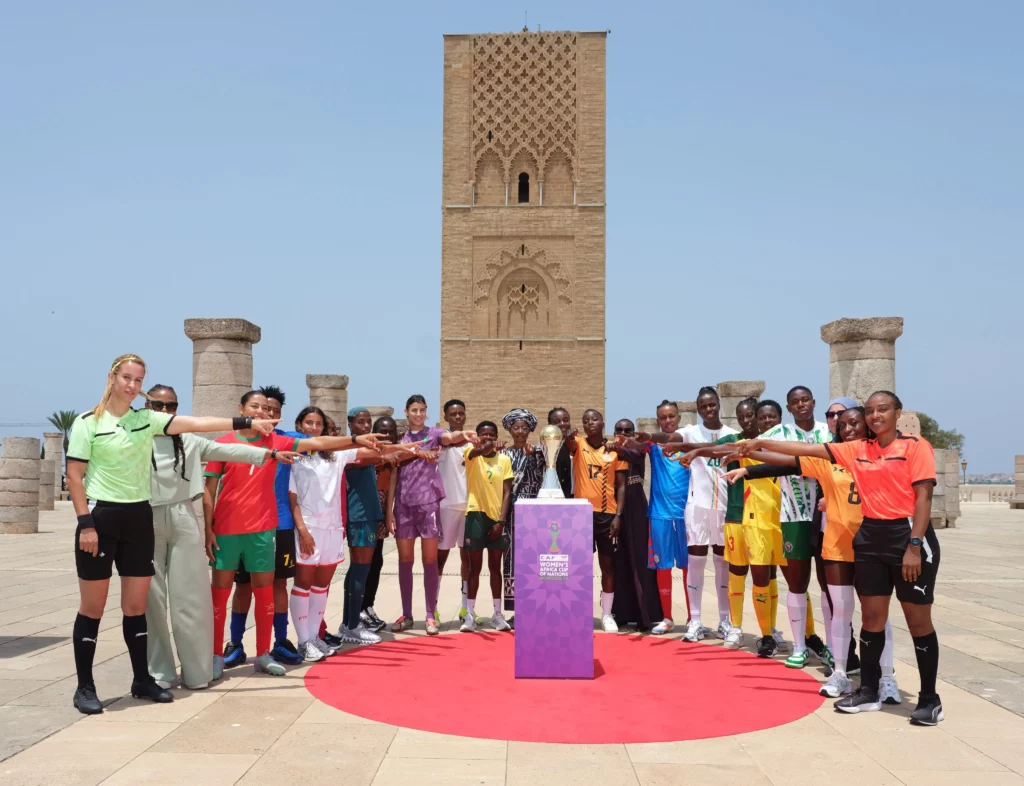
The 2026 WAFCON is particularly of high importance because it will feature 16 teams, an expansion from the traditional 12-team format.
The tournament will also serve as a qualification pathway to the 2027 FIFA Women’s World Cup in Brazil, with the top four teams earning automatic qualification.
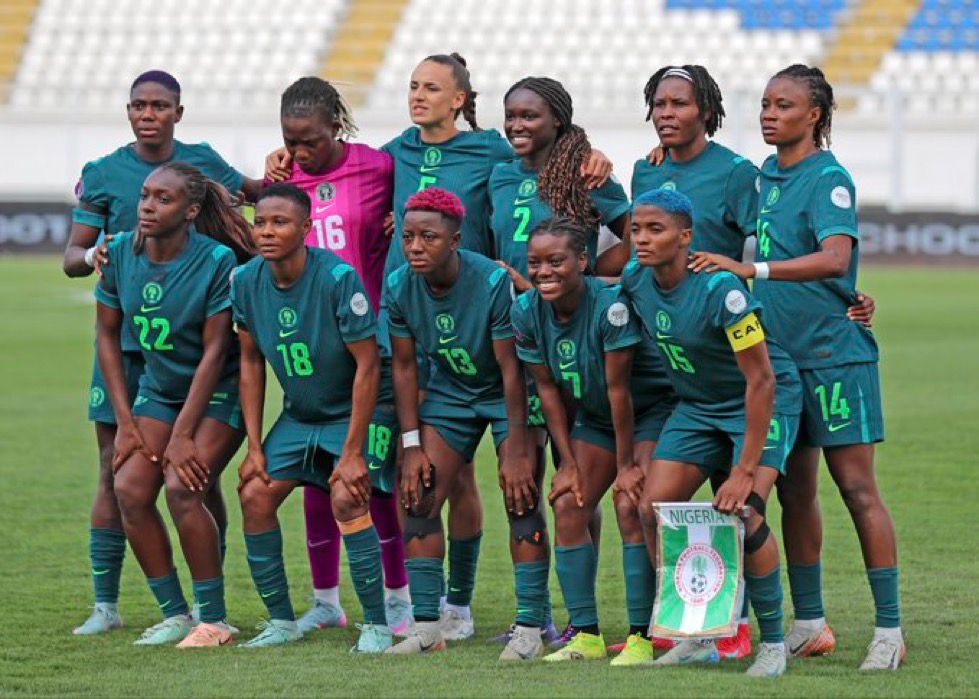
Defending champions Nigeria women’s national football team will enter the competition aiming to retain their crown after winning the 2024 edition in Morocco; their 10th continental title.
Chaos for Teams Already Preparing
The late postponement has created logistical turmoil for several national teams that were already deep into their tournament preparations.
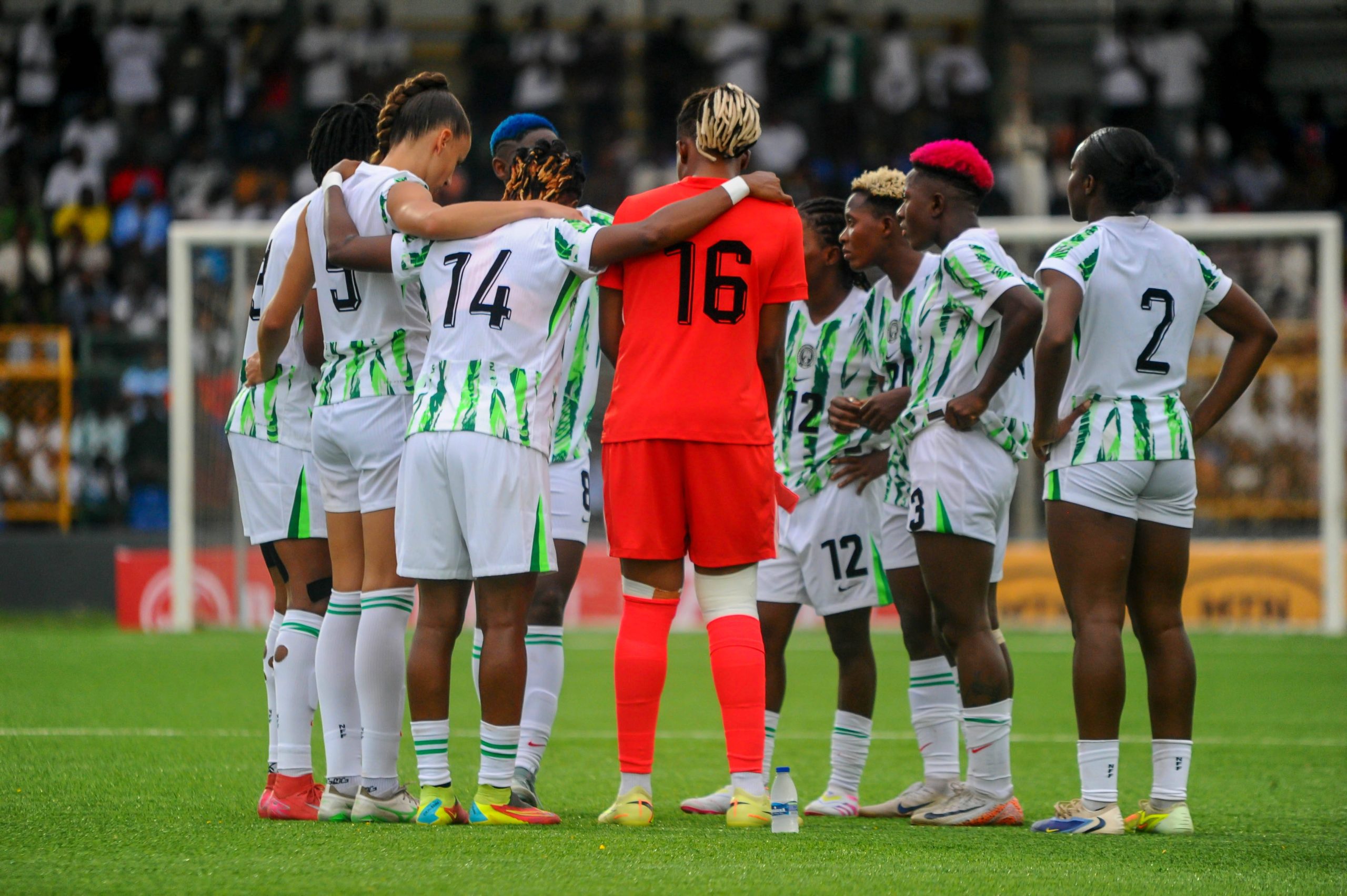
Nigeria’s Nigeria women’s national football team, Super Falcons had just completed two friendly matches against the Cameroon women’s national football team in Yaoundé as part of their build-up to the tournament.
Several other teams had also begun training camps or were travelling for pre-tournament preparations.
The disruption has forced federations to quickly adjust training schedules that were carefully designed to peak in March.
Read More: BREAKING: “Morocco Will Host” – CAF Breaks Silence on WAFCON 2026 Drama
Ghana Reportedly Stranded as News Broke
The ripple effects of the postponement were felt immediately.
Reports indicate that players from the Ghana women’s national football team were stranded overseas in Dubai when news of the postponement broke, leaving their preparations suddenly halted.
The unexpected delay has left teams scrambling to reorganize travel plans, training camps, and player availability.
Club vs Country Conflicts Loom
The new July–August schedule could create club-versus-country conflicts, particularly for African players based overseas.
Stars such as Barbra Banda and Temwa Chawinga currently play in the National Women’s Soccer League in the United States.
The revised WAFCON dates fall directly within the NWSL season, potentially forcing clubs and federations to negotiate player releases.
European-based players may also face similar scheduling clashes.
Financial and Organisational Fallout
Beyond sporting consequences, the postponement carries significant financial and organizational implications.
Football federations must now deal with cancelled travel bookings, altered training camps, and revised logistics.
Fans who had already secured flights and accommodation for the March tournament window must now rearrange their travel plans for the summer.
Sponsors and broadcasters are also affected, as marketing campaigns and programming schedules built around the original dates must be revised.
While CAF stated that “preparations are underway,” the governing body has not provided a detailed timeline for how the revised schedule will be implemented.
Read More: REVENGE COMPLETED: How Super Falcons Showed Cameroon Who The Boss is in Yaoundé
Read More: WAFCON 2026 Postponement: Criticism, Concerns and a Silver Lining
Super Falcons Players Return to Clubs
Following the announcement, players of the Nigeria women’s national football team have already begun returning to their clubs across Europe and other parts of the world.
Overseas-based players departed directly from Cameroon after the two friendly matches, while home-based players and officials returned to Nigeria.
The team had originally planned to proceed to Morocco to continue preparations before the tournament kickoff.
However, those plans were halted following CAF’s decision.
Speaking on the situation, Nigeria Football Federation Communications Director Ademola Olajire explained the travel arrangements.
“Only the Nigerian players and officials who left Abuja have returned to Nigeria,” Olajire said.
“Other players flew directly from Cameroon to their clubs in Europe and other parts of the world with direct tickets provided by the Nigeria Football Federation.”