

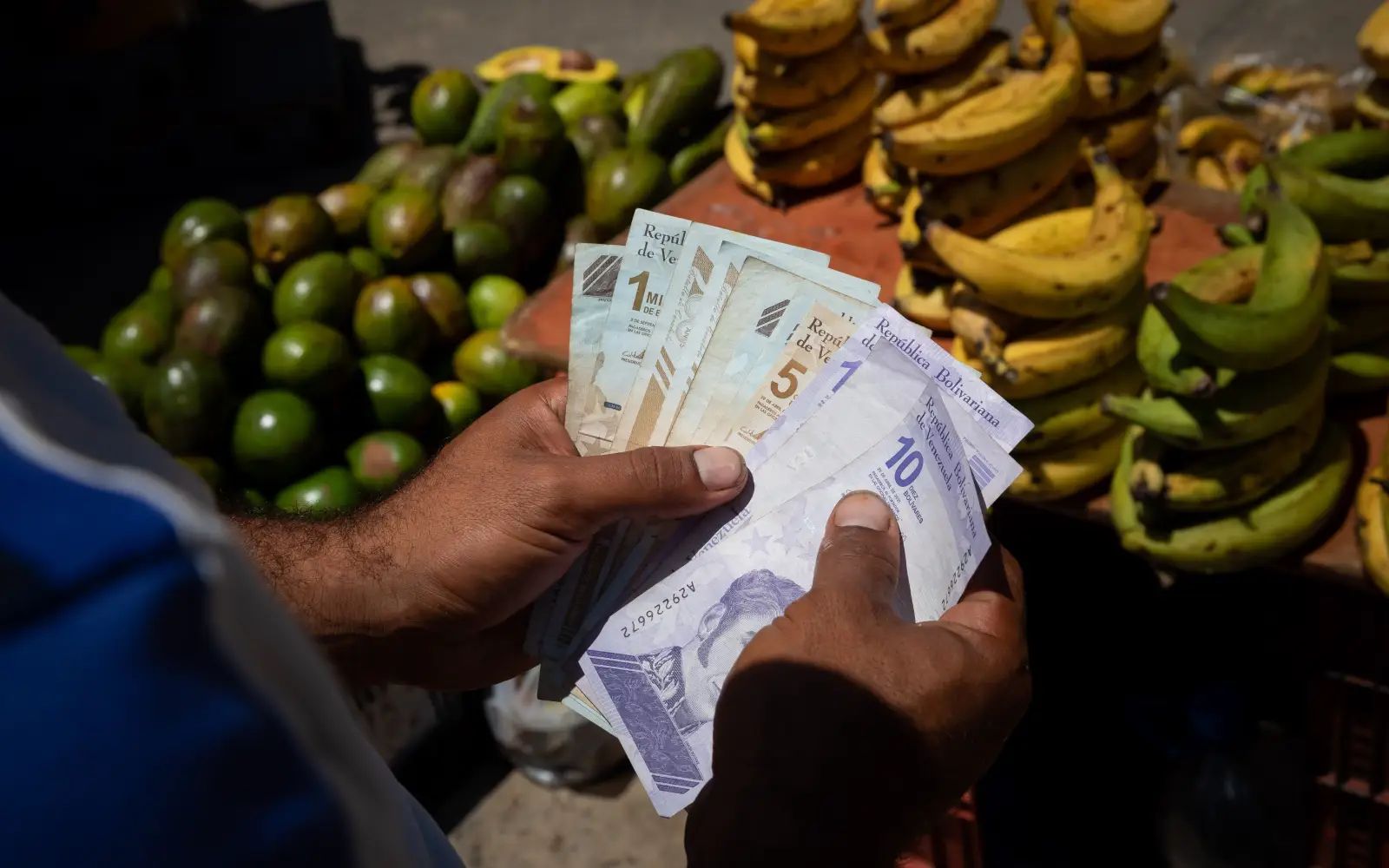

Inflation in Venezuela surged to about 475 percent in 2025, the highest rate in the world, according to figures released by the country’s central bank.
The sharp rise in prices was largely driven by economic pressure linked to tighter sanctions imposed by the United States during the final period of rule by former president Nicolas Maduro. Data published on Friday, March 6, by the Central Bank of Venezuela showed that full-year inflation far exceeded the International Monetary Fund forecast of 269.9 percent.
The bank also reported that accumulated inflation during the first two months of 2026 had already reached nearly 52 percent, although it did not provide an outlook for the rest of the year.
Venezuela’s economy was heavily affected by Washington’s “maximum pressure” campaign against Maduro’s government. The United States eventually removed the longtime socialist leader from power in a military operation in Caracas on January 3, after years of political tension and sanctions.
Following Maduro’s ouster, Washington eased some sanctions and began discussions with Caracas about restoring diplomatic relations and cooperating on the development of the country’s oil and mineral resources.
Despite the political shift, many Venezuelans say they have not yet seen relief from soaring prices for everyday goods. “I have to hop from one supermarket to another. It shouldn’t be like this,” said Alix Aponte, a 58-year-old accountant shopping for vegetables in Caracas, calling for salary increases.
Economists say the situation remains difficult for households, with average monthly incomes estimated to range between $100 and $300, far below the cost of basic necessities.
According to the central bank, food and drink prices alone rose by 532 percent last year, while rent increased by 340 percent and healthcare costs climbed by 445 percent. Eduardo Sanchez, a leader of the teachers’ union, criticised the country’s economic policies, saying: “This inflation is killing us.”
Economists had previously warned that Venezuela risked returning to hyperinflation, defined as monthly price increases of 50 percent or more, similar to the crisis that gripped the country between 2017 and 2021.
Memories remain vivid of the country’s worst economic collapse in 2018, when prices soared by roughly 130,000 percent and millions of people fled the country.
By 2024 inflation had dropped to around 48 percent, a turnaround many analysts attributed partly to reforms introduced by Maduro’s former deputy, Delcy Rodriguez, who is now serving as the country’s acting leader.
Rodriguez stabilised the economy through tighter fiscal discipline, halting the printing of money, easing exchange controls and allowing wider use of the US dollar, which has effectively become Venezuela’s main currency.
She has since launched an economic reform programme aimed at attracting foreign investment, opening the oil sector to private companies and revising mining laws to encourage investment in strategic minerals.
Tamara Herrera, director of the consulting firm Sintesis Financiera, said she expects inflation to fall to just over 100 percent this year. “Going forward, the inflation expectation is toward moderation,” economist Jesus Palacios said.