

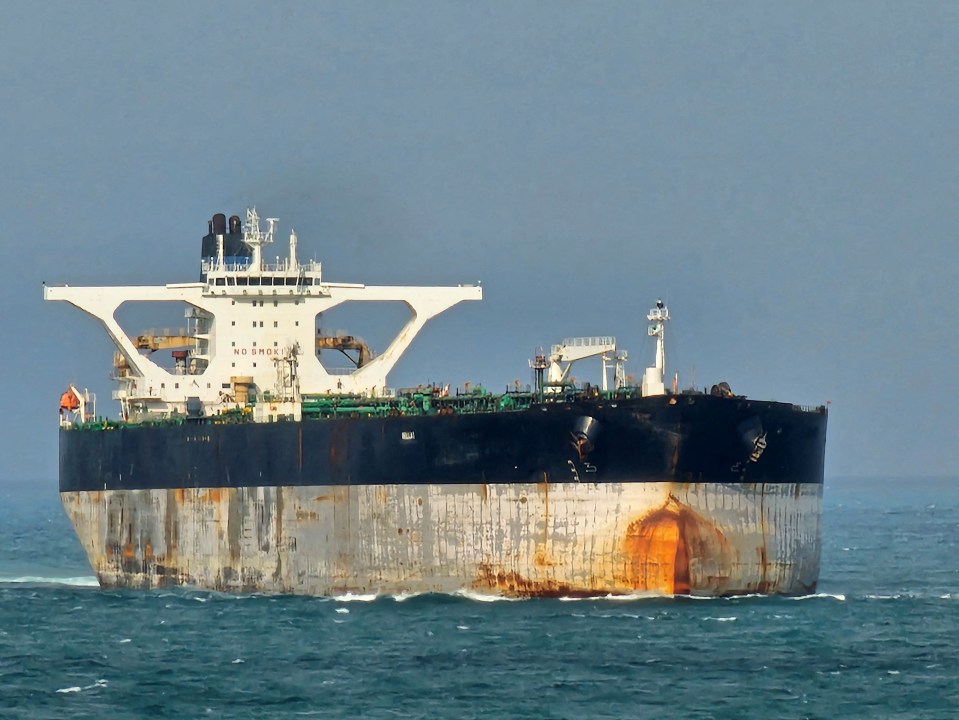

US special forces have arrived in the United Kingdom as Washington moves to intercept a sanctioned oil tanker accused of evading the Trump administration’s blockade on Venezuelan crude and racing toward Russia.
Cargo aircraft carrying helicopters and personnel landed at RAF Fairford, as US and allied forces stage for a possible high-risk boarding operation against the tanker Marinera, formerly known as Bella 1.
The vessel, described by US officials as part of a “shadow fleet” used to bypass international sanctions, is believed to be operating under a Russian flag in the North Atlantic, roughly 500 miles west of Ireland, en route to Russia.

Troops from America’s 160th Special Operations Aviation Regiment, known as the Night Stalkers, have reportedly deployed Black Hawk and Chinook helicopters capable of fast-roping commandos onto large vessels. Three V-22 Ospreys operating out of RAF Mildenhall have also joined the mission, alongside surveillance aircraft and refuelling jets.
US and UK military activity intensified after the tanker was tracked resurfacing at sea, having previously slipped away from US forces in the Caribbean following Donald Trump’s announcement of a “total and complete blockade” on Venezuelan oil exports.
The tanker is alleged to be linked to Iran and accused of helping sanctioned regimes — including those of Vladimir Putin and Nicolás Maduro — continue oil trading despite restrictions. During the pursuit, the crew reportedly painted a Russian flag on the hull and later re-registered the ship under a new name in Russia.
US officials told American media that the preference is to seize the tanker rather than sink it, mirroring a helicopter-borne raid carried out last month on another sanctioned vessel. A decision on whether to proceed with the operation is expected within days.
Defence sources said the build-up at RAF Fairford indicates preparations for a hostile boarding, while naval patrol aircraft continue to monitor the tanker’s movements.
The chase comes as Washington tightens pressure on Venezuela’s oil lifeline, with more than a dozen tankers reportedly fleeing the country using deceptive tactics such as falsified tracking data and flag changes since the blockade was announced.