

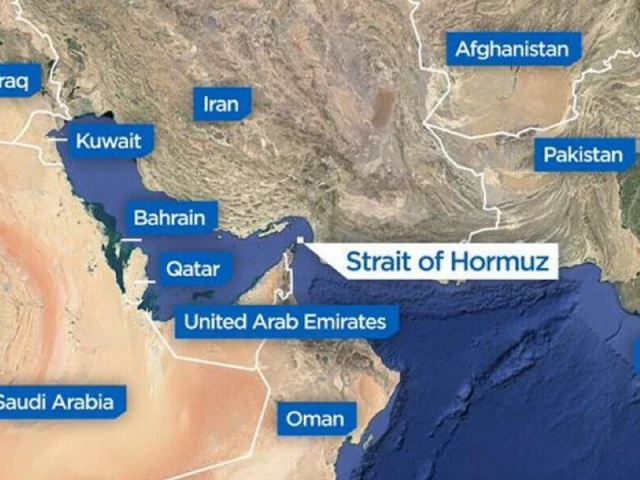
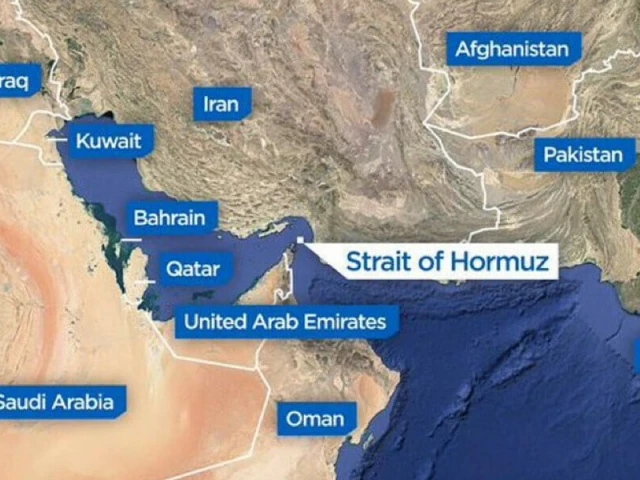
The United Arab Emirates has insisted that any agreement to resolve tensions between the United States and Iran must guarantee free passage through the Strait of Hormuz, stressing that the vital waterway cannot be used as leverage in geopolitical disputes.
A senior UAE official, Anwar Gargash, said the security of the Strait of Hormuz, one of the world’s most critical oil transit routes, must be treated as a global economic priority, not a regional bargaining tool. He emphasized that uninterrupted navigation through the channel must be a core part of any settlement.
According to Gargash, while the UAE supports an end to the conflict, it does not want a ceasefire that ignores deeper issues. He warned that failing to address Iran’s nuclear ambitions, as well as its missile and drone capabilities, could create a more dangerous and unstable Middle East.
He also noted that the UAE is prepared to support international efforts, particularly those led by the United States, to secure shipping routes in the Strait if necessary.
The waterway handles roughly one-fifth of the world’s oil and liquefied natural gas shipments daily. However, recent hostilities have disrupted traffic, contributing to rising global energy concerns.
The conflict began after the United States and Israel launched strikes on Iran following a breakdown in nuclear negotiations. Iran responded with missile and drone attacks targeting Israel, U.S. bases, and critical infrastructure across the Gulf region, including ports and energy facilities.
Gargash revealed that the UAE has faced some of the heaviest attacks among Gulf nations but said the country has shown resilience despite the pressure. He added that while the UAE’s economy remains fundamentally strong, recovery from the ongoing crisis will require significant effort.
He warned that Iran’s actions could deepen security ties between Gulf states and Washington, further strengthening U.S. military presence in the region and increasing Israel’s influence.
Iran’s strategy, according to regional perspectives, appears aimed at raising the cost of the conflict for U.S. allies in the Gulf by targeting energy infrastructure and shipping lanes. This could pressure those countries to push for an end to military actions.
Despite previous diplomatic efforts by Gulf nations to maintain balance and avoid confrontation with Iran, the situation has escalated significantly. Gargash noted that while the UAE does not seek hostility, trust remains difficult under the current Iranian leadership.
He concluded that the crisis highlights the need for long-term stability measures, warning that unresolved tensions could further destabilize the region and impact global energy security.