

This is a sponsored post…
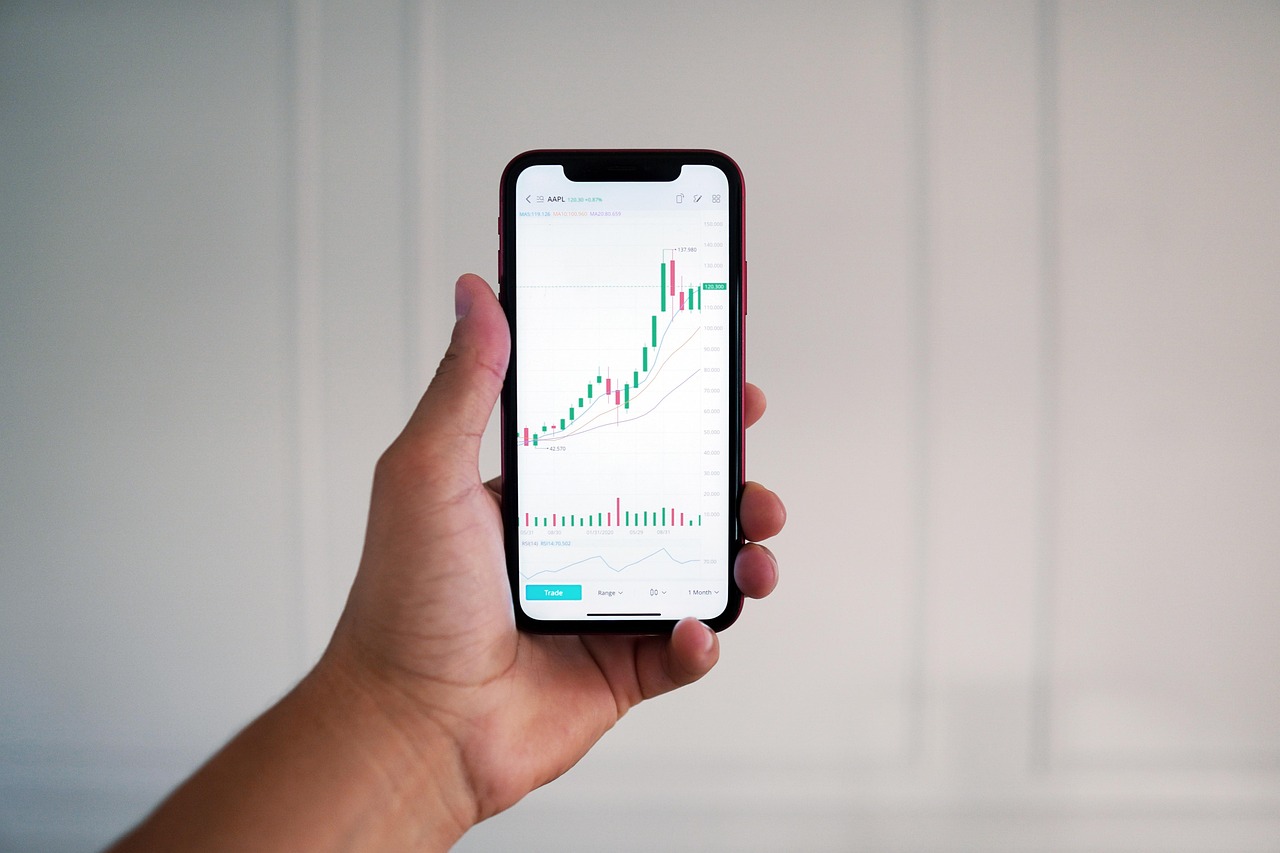
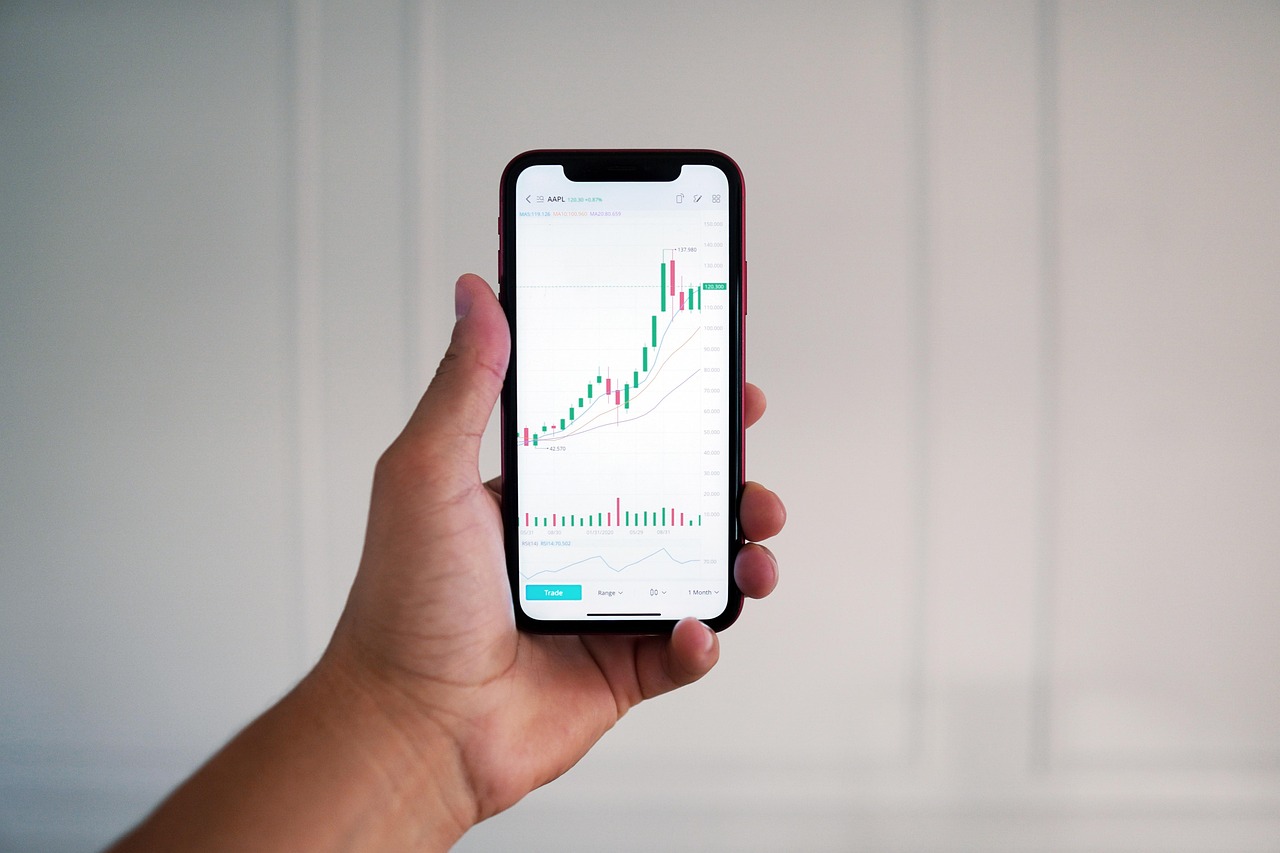
Nigeria’s traders are operating in a fast changing environment. Policy moves, oil price swings and global risk sentiment all feed into the naira and into major pairs like EURUSD and GBPUSD. In this setting, traders in Lagos, Abuja and Port Harcourt increasingly want tools that can think ahead. Predictive intelligence is now being built directly into mobile trading tools so that the app does more than display prices. It studies patterns and quietly guides the trader toward better decisions.
For many Nigerian traders, a forex trading app is becoming a personal assistant that learns from behaviour, adapts to routine and offers timely guidance. Instead of leaving you alone with raw charts, it anticipates what you might need next and helps you align with market conditions before they surprise you.
1. Learning Your Personal Trading Rhythm
Predictive intelligence starts by understanding how you trade. Over time the app can study which pairs you prefer, what time of day you are most active and how long you hold positions.
For a Nigerian trader this might mean:
• Recognising that you like to trade London open before work
• Noticing if you return to the app after key US news events
• Tracking how often you close trades early due to fear or doubt
By detecting these habits, the app can adjust its suggestions and reminders to match your real routine instead of pushing generic alerts that do not fit your life in Nigeria.
2. Anticipating News And Volatility That Matter To Nigerians
Predictive engines can scan economic calendars and past price reactions to estimate which events are likely to shake the market. For Nigerians, this is especially important around data that affects oil, inflation and interest rates.
The app can learn that you care more about certain releases and:
• Highlight events that have historically moved your favouritepairs
• Estimate likely volatility zones around central bank statements
• Suggest reduced risk or wider stops when sharp swings are probable
Rather than seeing news only after it hits your screen, you are primed in advance. This gives you a chance to adjust position size, tighten your plan or stand aside if conditions are too unstable for your style.
3. Forecasting Price Zones Instead Of Only Showing Live Quotes
Traditional apps simply show the current bid and ask. Predictive intelligence goes further by estimating likely price zones based on past behaviour, order flow and volatility patterns.
For a trader in Nigeria this might translate into projected ranges for the London and New York sessions or highlighted areas where price has frequently reversed. These zones are not guarantees but they offer a roadmap. When you plan entries and exits around them, you are using data driven forecasts instead of guesswork.
4. Detecting Hidden Risk In Your Trading Behaviour
One of the most powerful roles of predictive intelligence is risk detection. The app can analyse your past trades and spot patterns that often end badly even if they feel comfortable in the moment.
Common examples include:
• Increasing lot size quickly after a losing streak
• Holding losers for days while taking profits very fast
• Trading far more aggressively on Fridays or at night when tired
For Nigerian traders juggling jobs, family and market time, these behaviours can creep in slowly. A smart app uses predictive models to flag when you are about to repeat a pattern that previously led to drawdown. It might send a reminder to cut size, stick to your plan or take a break before placing the next order.
5. Recommending Smarter Entry Windows
Predictive intelligence also improves timing. By studying how different pairs behave across sessions, days of the week and volatility regimes, the app can suggest better windows for action.
This can help you:
• Focus on times when trends are more likely to develop
• Avoid flat periods when spreads feel heavy and price drifts
• Align your entries with hours that historically fit your strategy
For example, a Nigerian trader who trades after work may discover that certain pairs perform better during early New York hours than late evening local time. The app can gently nudge you toward those higher quality windows so that your energy and data costs are not wasted on low potential periods.
6. Personalising Education Inside The App
Predictive intelligence is not only about prices. It also shapes what you learn. By tracking which concepts you struggle with and what kind of trades you place, the app can serve custom education modules.
If the system sees that you repeatedly over trade before news, it might line up short lessons on event risk and position sizing. If your journal notes reveal confusion about support and resistance, it can surface practical tutorials and examples that match your favourite pairs.
For Nigerian learners who often combine trading with other commitments, this targeted education inside the app saves time. You study exactly what connects to your mistakes and your goals instead of scrolling through random material.
7. Turning Data Into Simple Daily Guidance
The final benefit is clarity. Predictive intelligence collects a huge amount of data from charts, news and user behaviour, but the trader needs simple guidance not complex math. Smart apps translate everything into clear daily prompts.
You might see:
• A short summary of conditions before you start the session
• A reminder of your personal risk limit based on recent performance
• One or two focused ideas rather than a long list of conflicting signals
In a busy Nigerian day, this distilled guidance matters. You open the app and immediately understand whether the environment suits your approach or calls for caution. Over weeks and months, this reduces emotional noise and supports steadier progress.
A New Kind Of Partner For Nigerian Traders
As predictive intelligence grows more advanced, the forex app on a trader’s phone is becoming more than a platform. It behaves like a partner that observes, learns and suggests. For Nigerians dealing with currency swings, global headlines and local responsibilities, that kind of support can make a major difference.
By learning from your behaviour, anticipating key events, forecasting useful price zones, exposing hidden risk and delivering targeted education, predictive engines help you treat trading as a guided process rather than a lonely struggle. The technology is not a shortcut to instant profit, but it does provide a smarter path. Nigerian traders who embrace these tools with discipline and realistic expectations can turn their everyday app into a quiet but powerful ally in the pursuit of long term consistency.