


Norwegian authorities have issued thousands of notices ordering citizens to prepare for the possible seizure of private property in the event of a Russian invasion, as concerns about escalating tensions in Europe continue to mount. The letters warn that homes, vehicles, boats, and machinery may be requisitioned “in a wartime situation” to support national defence.
According to officials, some 13,500 “preparatory requisitions” were sent out on Monday. Oslo stressed that the measures are intended to ensure the military has access to necessary resources, stating: “The requisitions are intended to ensure that, in a wartime situation, the armed forces have access to the resources necessary for the defence of the country.” Around two-thirds of recipients were renewing previous notices.
Head of Norwegian military logistics Anders Jernberg said: “The importance of being prepared for crisis and war has increased dramatically in recent years. Norway is in the most serious security policy situation since the Second World War.” He warned: “Our society must be prepared for security policy crises and, in the worst case, war… we are undertaking a major build-up of military and civil preparedness.”

Norway, a NATO member sharing both maritime and land borders with Russia in the Arctic, has intensified its defence posture since Moscow’s invasion of Ukraine. Former U.S. president Donald Trump has previously warned that Russia and China are seeking to expand their presence in the Arctic — arguing such threats bolster the case for Washington to seize Greenland.
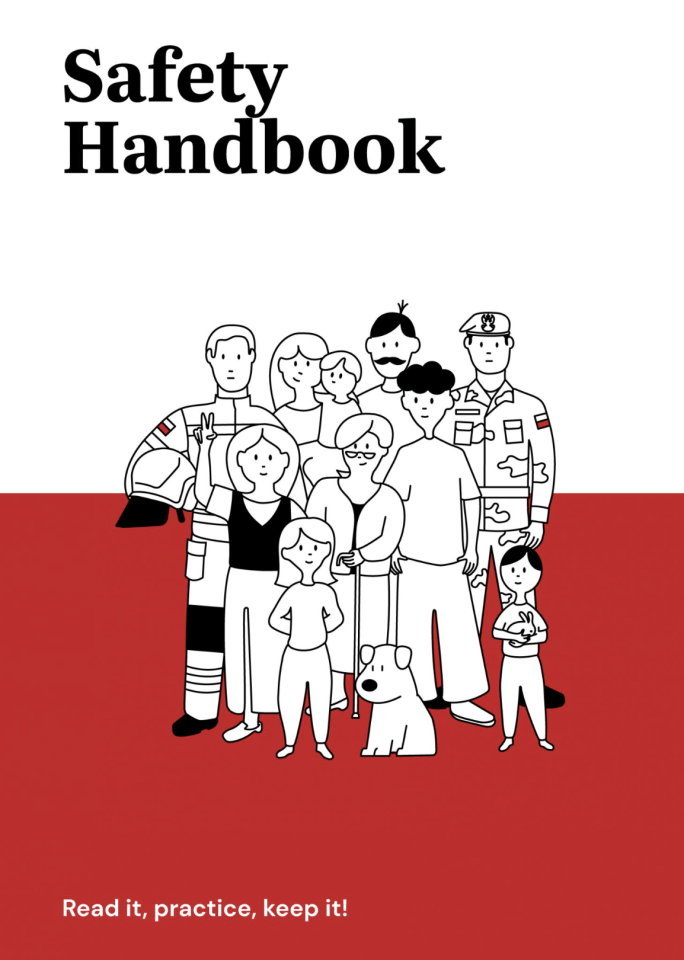
Poland has issued a similar warning to its citizens, sending printed World War III “Safety Guides” to all 17 million households in the country. The manuals advise residents on how to respond in emergencies ranging from fires and floods to terrorist attacks and the use of nuclear or chemical weapons. Prime Minister Donald Tusk said on X: “We have already delivered over 4 million ‘Safety Guides. The ‘Safety Guide’ complements the activities carried out under the Population Protection and Civil Defense Program and, step by step, reaches every household, directly into the hands of citizens.”
The guide warns: “The threats Poland faces have substantially grown in the last few years. Disinformation, cyberattacks, hybrid threats, hostile disruption and sabotage are used to destabilise the country.” Highlighting the impact of the war in Ukraine, it adds: “The war beyond our eastern border impacts our sense of safety as well.” The handbook “aims to prepare citizens for various threats – from cyberattacks and disinformation to natural disasters, military situations and infrastructural crises.”
France previously distributed a similar booklet, while several European nations, including France and Germany, have reintroduced forms of military conscription amid growing anxiety over Russia’s intentions.
Russia’s foreign minister Sergei Lavrov has accused the United States of harbouring territorial ambitions in the Arctic, warning that after capturing Greenland, Washington would turn its sights to Iceland. “Greenland is not a natural part of Denmark,” he said, adding: “It was neither a natural part of Norway nor a natural part of Denmark. It is a colonial conquest. The fact that the inhabitants are now accustomed to it and feel comfortable is another matter.”