


The Africa Centres for Disease Control and Prevention says the continent is moving closer to meeting the criteria for downgrading Mpox as a Public Health Emergency of Continental Security. The agency said the shift is becoming necessary as more African countries record zero cases for extended periods.
Prof Yap Boum, Incident Manager for Health Emergencies at Africa CDC, made the remarks on Thursday, December 11, during the continent’s virtual weekly press briefing. Boum said seven countries have now reached the “end phase”, while Sierra Leone is expected to enter the “control phase” on December 16 after maintaining more than 42 days without a confirmed case. He said this aligns with the standard outbreak control threshold of two incubation periods.
He explained that Africa CDC follows clear benchmarks before declaring an outbreak over at either the national or continental level. “At the continental level, we expect more than 45 days with no cases before a country is classified as being in the control phase. Sierra Leone will join that group on Dec. 16. Once enough countries maintain this status, we can consider downgrading mpox at the continental level,” he said.
Boum added that Africa CDC uses five major criteria to determine whether Mpox can be downgraded, including the absence of sustained human to human transmission, declining regional risk, and the ability of countries to detect and respond rapidly to new cases. He said that although recent population movements from the Uvira region of the Democratic Republic of Congo into Burundi raised concerns about potential disease spread, the influx is not expected to significantly alter the Mpox outlook.
“Movement of people always introduces some risk, but Burundi has demonstrated strong surveillance and response capacity. They have already proved they can detect cases, isolate them, and manage outbreaks effectively,” he said. He added that cross border coordination remains critical, especially for tracking contacts and harmonising surveillance between DRC, Burundi, South Sudan and neighbouring countries.
“Africa CDC, in partnership with the World Bank, is supporting countries to strengthen bilateral agreements and operational procedures that enable joint outbreak investigation, information sharing and case management. If there is no memorandum of understanding between countries, contact tracing across borders becomes impossible. We are accelerating these MOUs and regional meetings to improve harmonisation of surveillance and response,” he said.
Boum noted that while the WHO lifted the global Mpox emergency in September, Africa CDC must base its own decision on African epidemiological data, country readiness and regional risks. He said the agency remains confident that if the current trends continue, Mpox could soon transition out of emergency status on the continent.
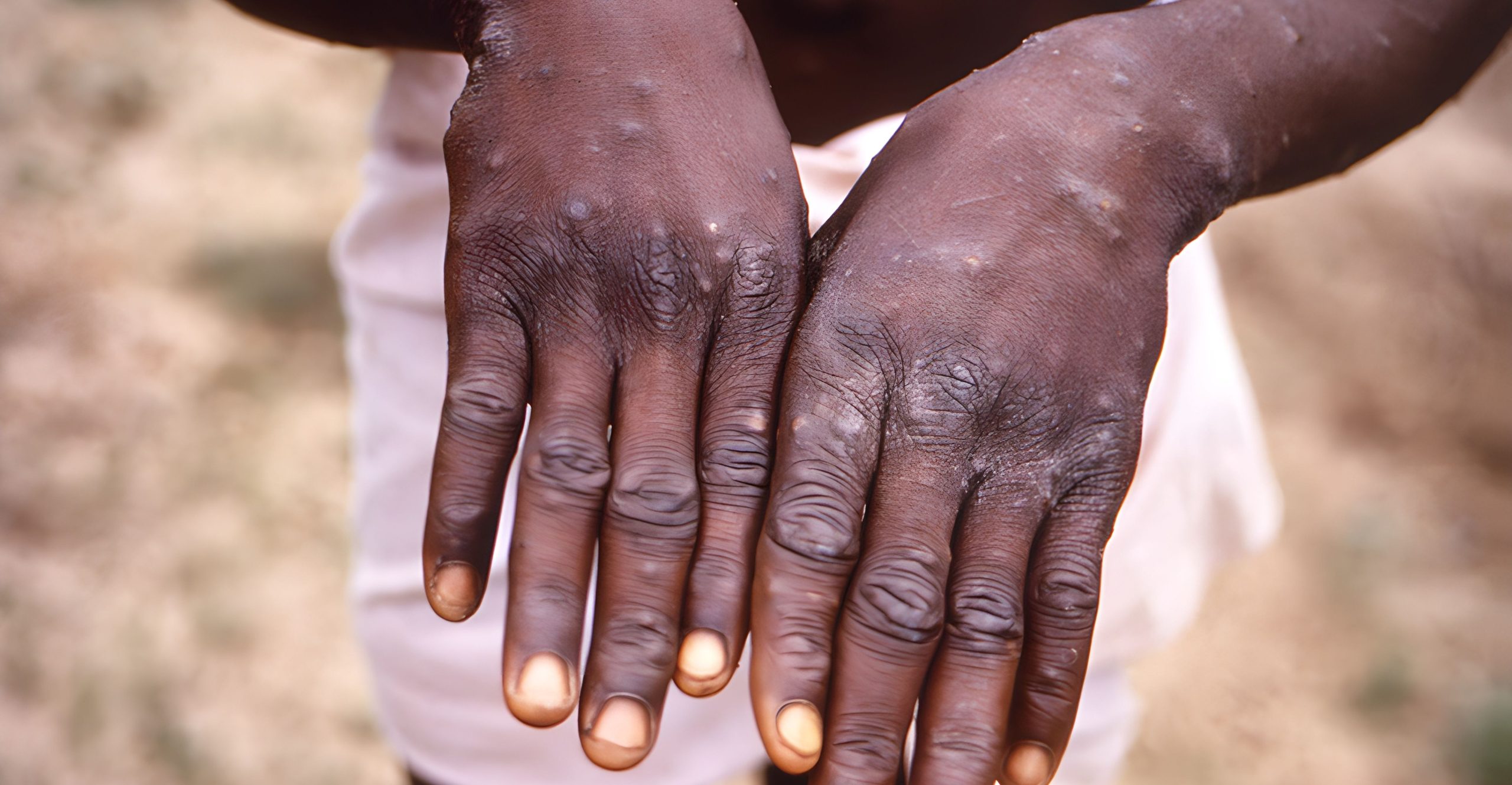
Mpox, formerly called monkeypox, is caused by the Mpox virus, a member of the orthopoxvirus family closely related to smallpox. Symptoms include fever, headache, swollen lymph nodes and a rash similar to smallpox but usually milder. The disease spreads through close contact with an infected person, animal or contaminated materials. Global Mpox outbreaks have increased in recent years partly because population level immunity from smallpox vaccination has waned.