


Iran launched a series of attacks across the Persian Gulf on Wednesday, targeting commercial shipping routes, energy facilities and Dubai International Airport, as tensions escalated in the ongoing conflict involving Iran, United States and Israel.
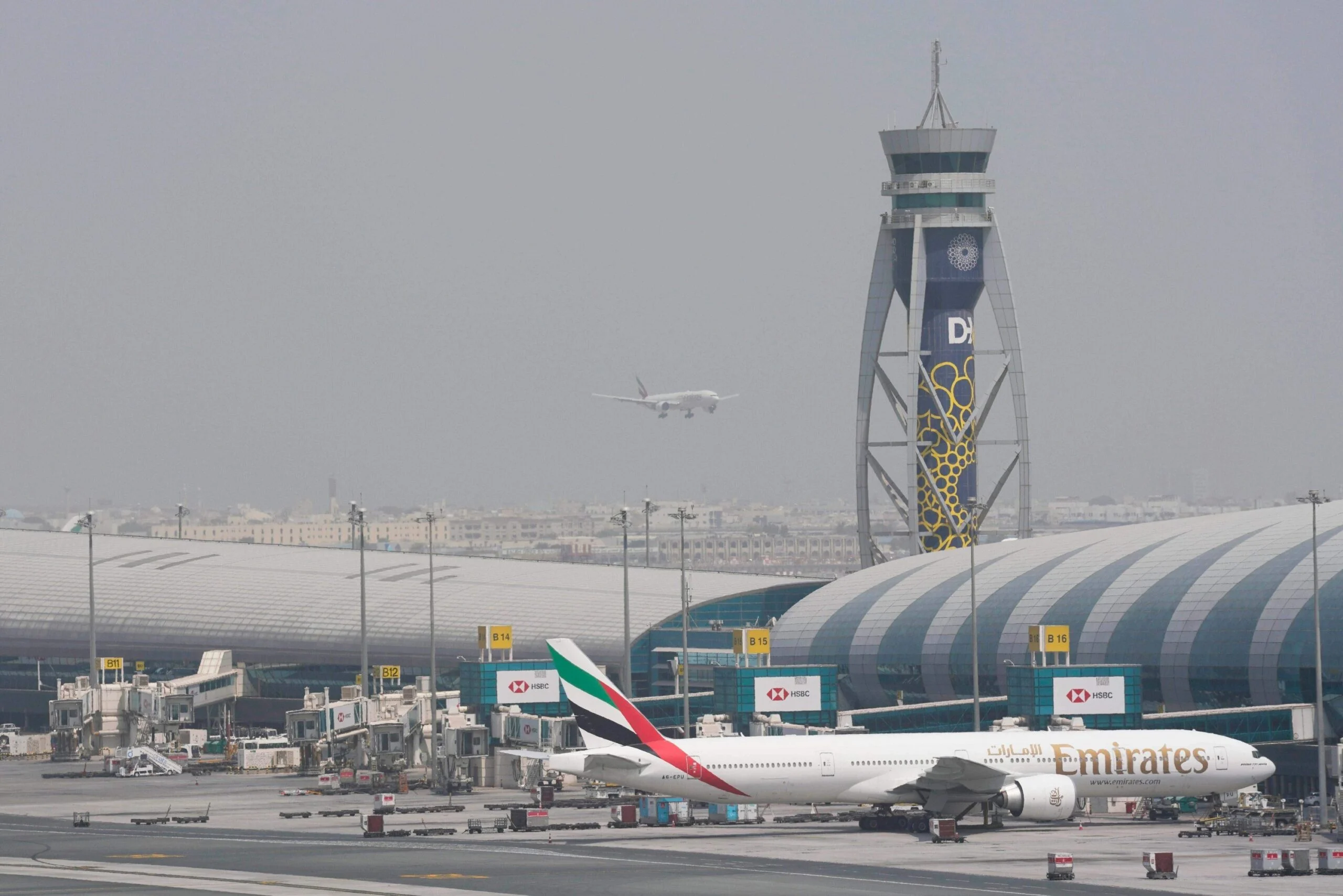
Two Iranian drones struck near Dubai’s main airport, the world’s busiest hub for international travel and the base of Emirates airline. Authorities said four people were injured in the incident, though airport operations continued.
Iran’s joint military command also announced plans to target banks and financial institutions across the Middle East. The threat raises concerns for financial hubs such as Dubai, as well as countries including Saudi Arabia and Bahrain.
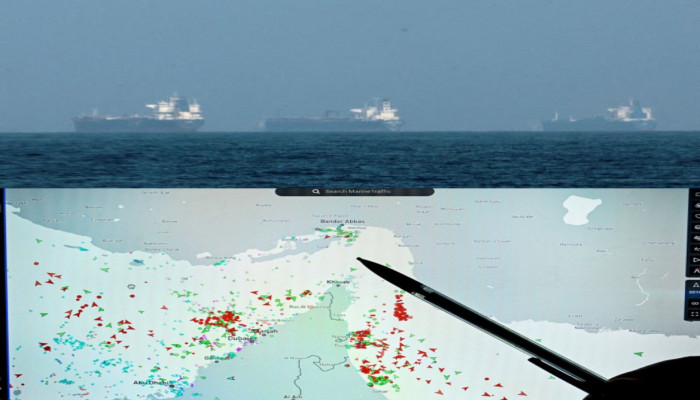
Earlier in the day, a projectile struck a container ship near the coast of Oman in the strategic Strait of Hormuz, igniting a fire and forcing most crew members to abandon the vessel, according to the United Kingdom Maritime Trade Operations.
Air defense systems across the region were activated as several Gulf countries intercepted incoming drones and missiles. Kuwait reported shooting down eight Iranian drones, while Saudi Arabia intercepted five drones headed toward the kingdom’s Shaybah oil field.
Iran’s latest attacks have significantly disrupted shipping in the narrow Strait of Hormuz, one of the world’s most important energy corridors through which roughly one-fifth of global oil supplies pass on their way from the Persian Gulf to international markets.
At the same time, Israeli forces intensified airstrikes on targets in Tehran, while additional attacks were reported in Beirut and southern Lebanon, where Israel said it was targeting positions linked to the Iran-backed militant group Hezbollah.
One Israeli strike ignited a building fire in Beirut’s densely populated Aicha Bakkar district, though there were no immediate reports of casualties. Elsewhere in southern Lebanon, seven people were reported killed in separate airstrikes.
The conflict has already taken a heavy toll. Nearly 500 people have reportedly been killed in Lebanon since the latest escalation began following U.S. and Israeli attacks on Iran. Iran has reported more than 1,300 deaths, while Israel has confirmed 12 fatalities.
Meanwhile, Saudi Arabia said it destroyed six ballistic missiles launched toward Prince Sultan Air Base, a major military facility jointly operated by U.S. and Saudi forces.
The crisis has also drawn attention at the United Nations Security Council, which was expected to vote on a resolution backed by the Gulf Cooperation Council calling on Iran to halt attacks against neighboring countries.
Global oil markets have reacted sharply to the conflict. The price of Brent crude remained about 20% higher than levels recorded before the war began, raising concerns about potential long-term disruptions to global energy supply.
Shipping data suggests traffic through the Strait of Hormuz has dropped significantly. Normally, more than 100 vessels pass through the channel daily, but monitoring firms reported that only a handful of ships have crossed the route since early March.
Meanwhile, speculation is growing over the health of Iran’s newly appointed supreme leader, Mojtaba Khamenei, who has not been seen publicly since assuming leadership following the death of his father, Ali Khamenei, in an Israeli airstrike earlier in the conflict.
As the fighting intensifies, thousands of foreign nationals have begun leaving the Gulf region. British officials say more than 45,000 citizens have departed the area, while the United States Department of State reported that about 40,000 Americans have returned home since the conflict began.