

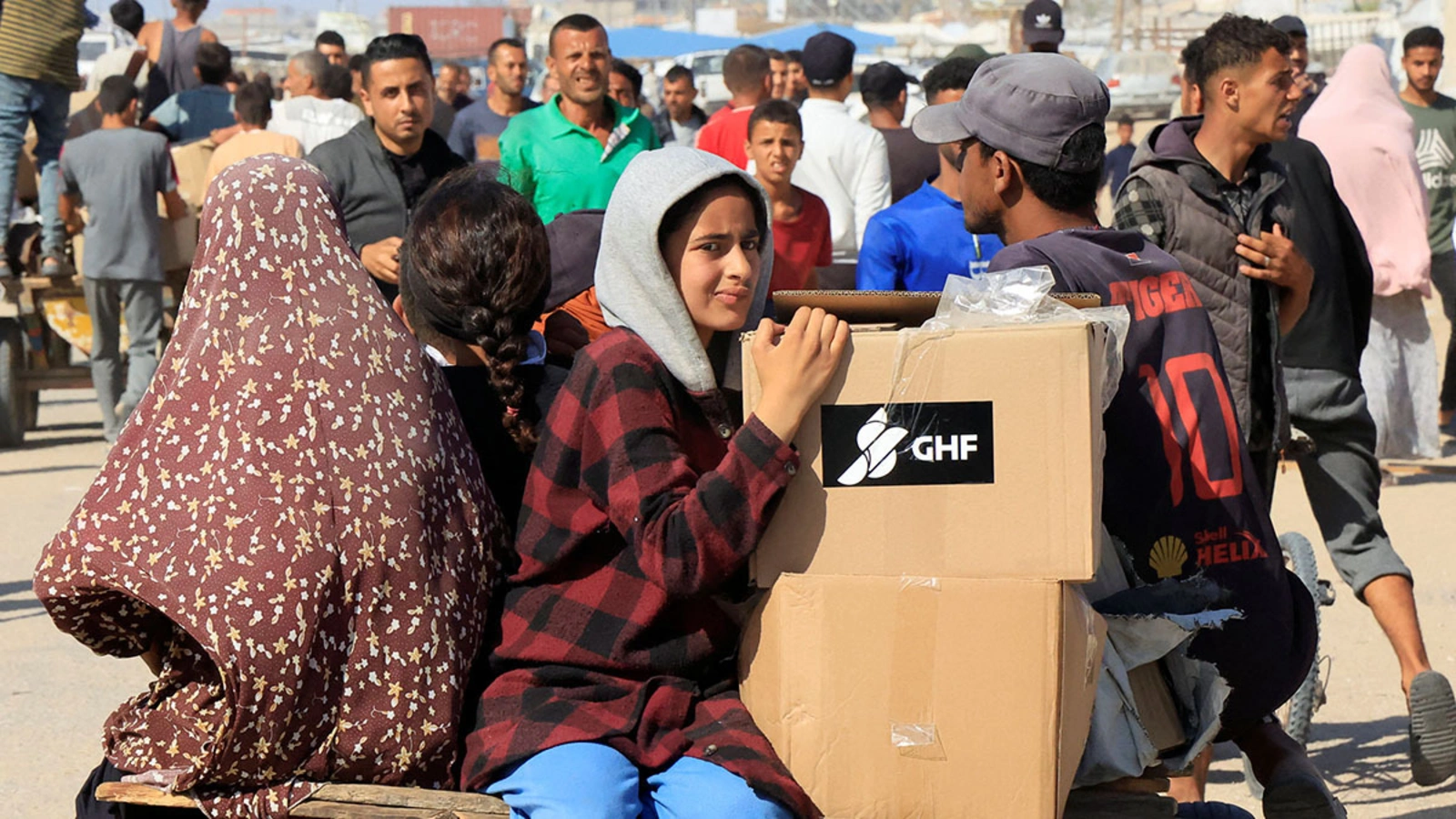
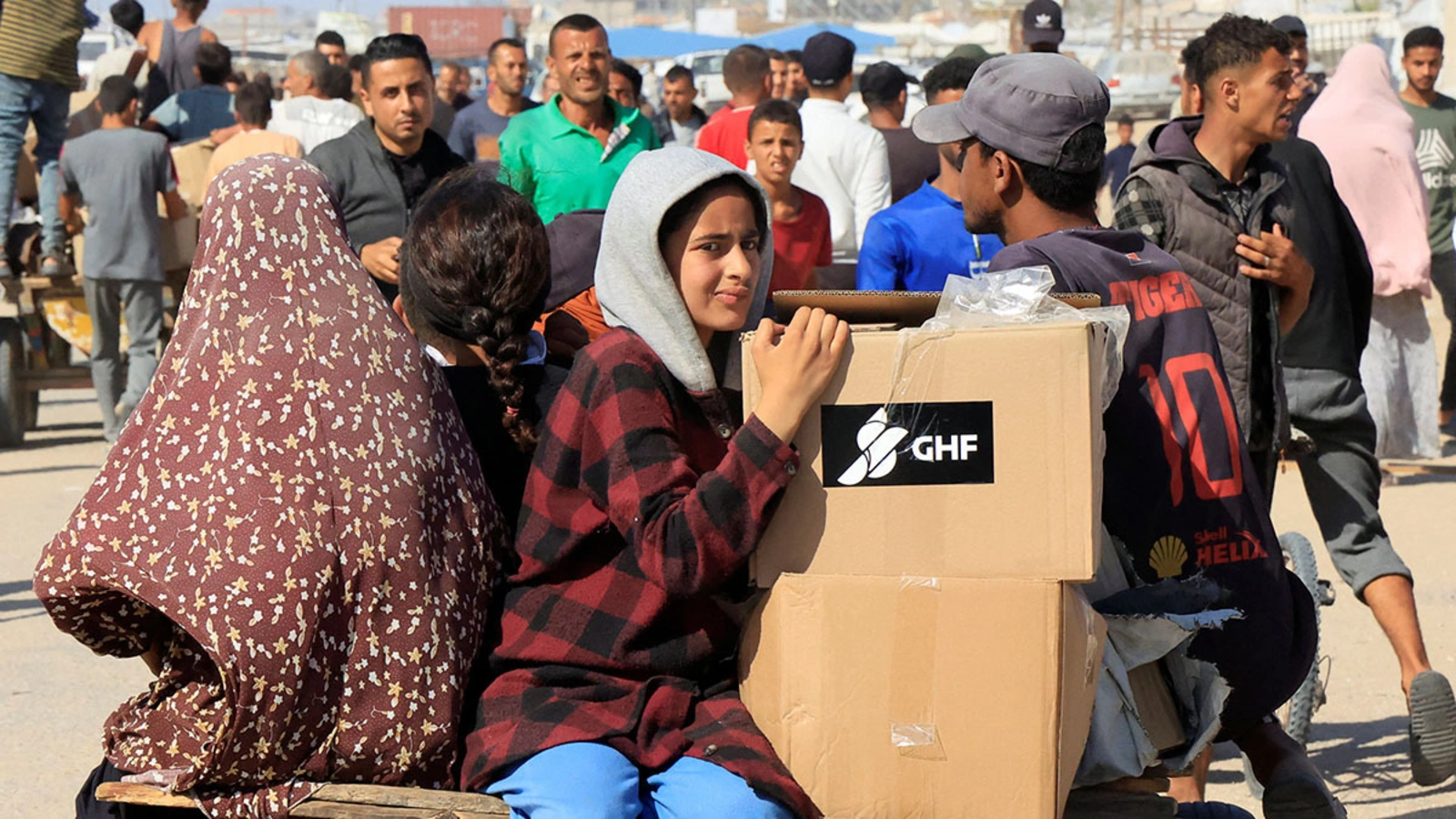
Gaza is no longer classified as being in famine following a significant increase in humanitarian aid deliveries after a ceasefire agreed in October between Israel and Hamas, a United Nations-backed hunger monitoring body has said.
The Integrated Food Security Phase Classification (IPC) announced that improved access for humanitarian and commercial food supplies, alongside reduced fighting and progress toward a proposed peace plan, had led to better food security conditions across the Gaza Strip.
“Following a significant reduction in conflict, a proposed peace plan, and improved access for both humanitarian and commercial food deliveries, food security conditions have improved in the Gaza Strip,” the IPC said, adding that “no areas are classified in famine.”
In August, the same watchdog had warned that parts of Gaza were experiencing a “man-made” famine amid severe restrictions on aid and prolonged fighting.
Despite the improved classification, the IPC cautioned that the situation remains fragile, with most of Gaza’s population still facing high levels of acute food insecurity.
“Although humanitarian assistance, including food aid, has increased, only basic survival needs are being met,” the organization said.
The watchdog also warned that Gaza could slip back into famine if conditions deteriorate.
“Under a worst-case scenario involving renewed hostilities and a halt in humanitarian and commercial inflows, North Gaza, Gaza Governorate, Deir al-Balah, and Khan Younis would face a risk of famine through mid-April 2026,” the IPC said.
Israel has consistently disputed earlier claims of famine in Gaza, arguing that it has allowed sufficient aid into the enclave. Reacting to the IPC’s latest assessment, Israel’s ambassador to the United Nations, Danny Danon, said the report confirmed Israel’s position that there is no famine in Gaza.
Israel’s aid coordination agency, COGAT, said between 600 and 800 aid trucks now enter Gaza daily, with about 70% carrying food supplies. Hamas has previously challenged these figures, insisting that the volume of aid reaching civilians remains inadequate.
International media and humanitarian groups have repeatedly documented widespread hunger and severe shortages in Gaza, particularly before the ceasefire, when aid access was restricted or temporarily halted. During that period, some civilians reportedly died from hunger, while others were killed while attempting to obtain food at distribution points.
The IPC system uses a five-phase scale to assess food insecurity. A famine classification requires evidence that at least 20% of households face extreme food shortages, at least 30% of children are acutely malnourished, and that at least two people per 10,000 die daily from starvation or related causes.
While the latest report signals improvement, humanitarian agencies continue to warn that sustained aid access and long-term stability are essential to prevent a return to catastrophic conditions.