

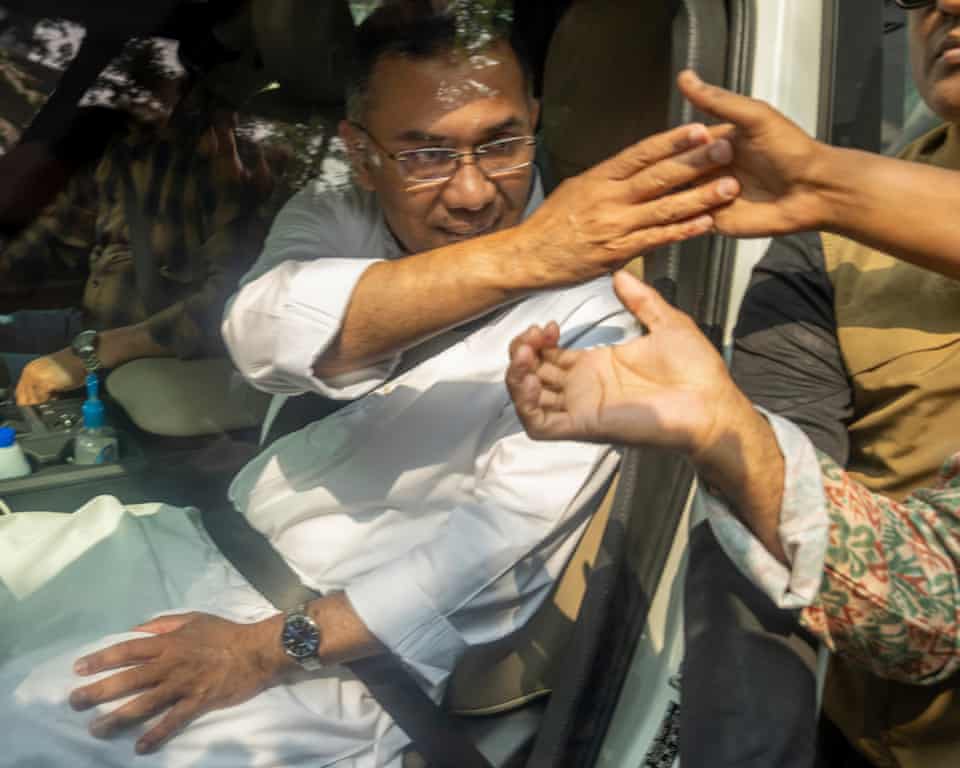
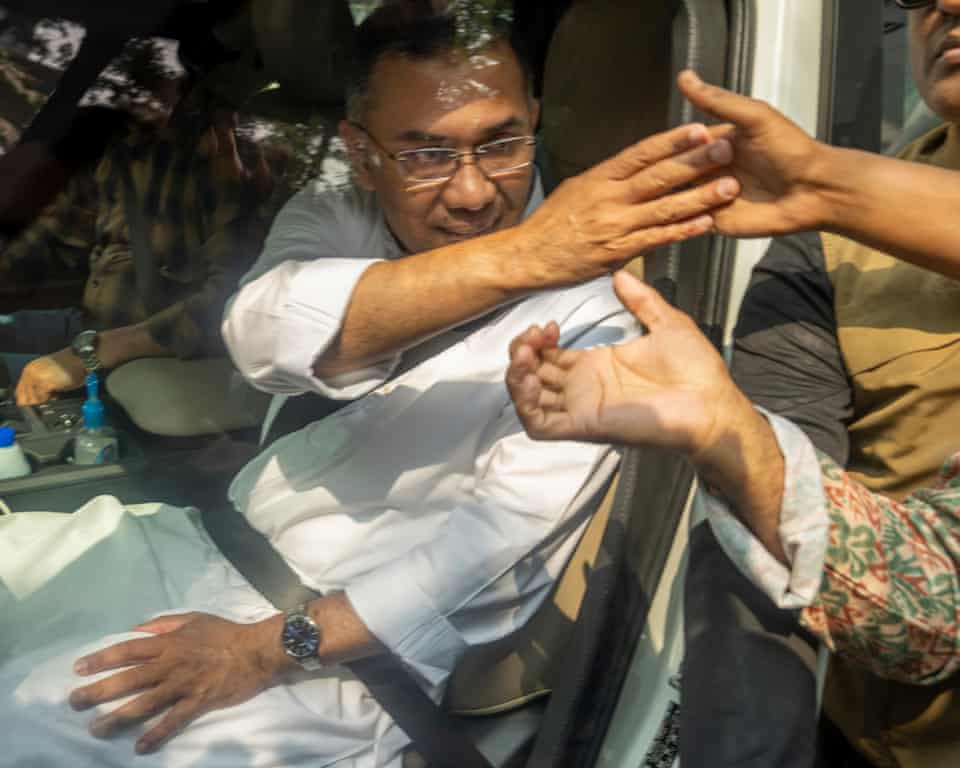
The Bangladesh Nationalist party (BNP), led by Tarique Rahman, has secured a landslide victory in Bangladesh’s first general election since the uprising that removed Sheikh Hasina from power.
Official results released by the election commission show the BNP-led alliance winning 212 parliamentary seats, marking the party’s return to government after two decades. The rival bloc, headed by Jamaat-e-Islami, captured 77 seats.
The vote has been widely described as Bangladesh’s first genuinely competitive and credible election in nearly 20 years, following a prolonged period of political repression and unrest under Hasina’s leadership. Salahuddin Ahmed, a senior BNP figure, said the outcome reflected public expectations, adding that voters had placed their faith in a party capable of fulfilling the aspirations that fuelled the youth-led uprising.
Despite the celebratory mood among supporters, BNP leaders acknowledged the scale of the challenges ahead. The party has promised to usher in a new democratic era and adopt a zero-tolerance stance on corruption. Ahmed cautioned that rebuilding a country free from discrimination and instability would require sustained effort.
India was among the first to extend congratulations. Prime minister Narendra Modi described the BNP’s win as decisive and reaffirmed India’s commitment to supporting a democratic and inclusive Bangladesh. Relations between the neighbouring countries had deteriorated sharply following Hasina’s removal, and Modi’s message was interpreted as a gesture toward resetting ties.
The United States and Pakistan also congratulated the BNP on its victory.
Rahman, who returned to Bangladesh in December after 17 years in exile in London, is now set to become prime minister. He is the son of former prime minister Khaleda Zia and former president Ziaur Rahman, who was assassinated in 1981, placing him at the centre of one of the country’s most prominent political dynasties.
Shafiqur Rahman, leader of Jamaat-e-Islami, conceded defeat but signalled that his party would pursue what he termed “positive politics” rather than opposition for its own sake. Nevertheless, Jamaat alleged irregularities in closely contested constituencies and questioned aspects of the vote-counting process. The party’s performance, significantly higher than in previous elections, positions it as a strong opposition force.
The election marked a turning point after years of controversy surrounding polls held under Hasina’s Awami League, which was barred from contesting this time. Past elections had been overshadowed by allegations of vote-rigging, enforced disappearances and suppression of dissent, as documented by rights groups and the United Nations.
Voters across the capital, Dhaka, described the experience as their first opportunity in years to cast ballots freely. Nationwide turnout reached 59.4%, according to preliminary figures — significantly higher than the previous election’s 42%. Overseas voters and officials voting by post recorded an 80.11% participation rate.
The student-led revolt that ended Hasina’s 15-year rule in August 2024 was driven by anger over corruption, human rights abuses and economic decline. The crackdown on protesters left an estimated 1,400 people dead, according to the UN.
For the past 18 months, Bangladesh has been governed by an interim administration led by Nobel laureate Muhammad Yunus, tasked with preparing the country for credible elections. After casting his vote, Yunus declared that the nation had “ended the nightmare and begun a new dream.”
Alongside parliamentary voting, citizens participated in a referendum on constitutional reforms known as the July Charter. The proposed changes aim to strengthen judicial independence and impose a two-term limit on future prime ministers. Early indications suggest more than 65% voted in favour.
Meanwhile, Hasina remains in exile in India after being sentenced to death by a war crimes tribunal for crimes against humanity committed during the final phase of her administration. She dismissed the election as a “carefully planned farce” and called for the results to be annulled.
The new BNP government now faces the formidable task of restoring democratic institutions, stabilising the economy and rebuilding public trust after years of turmoil.