

News
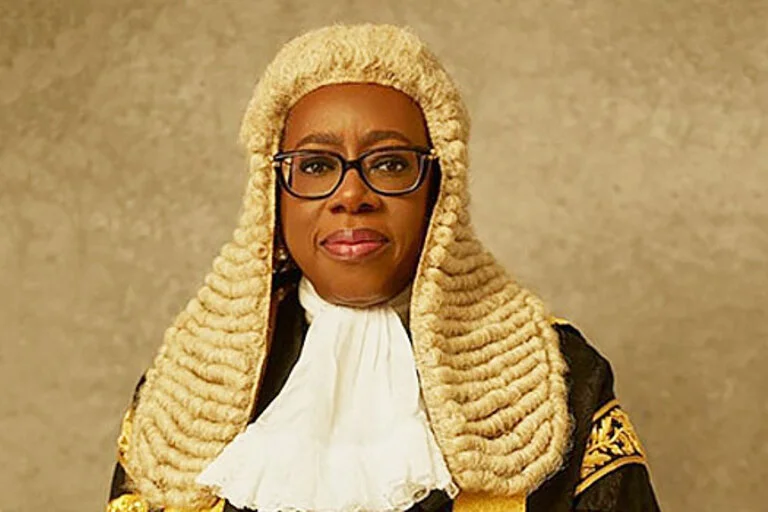
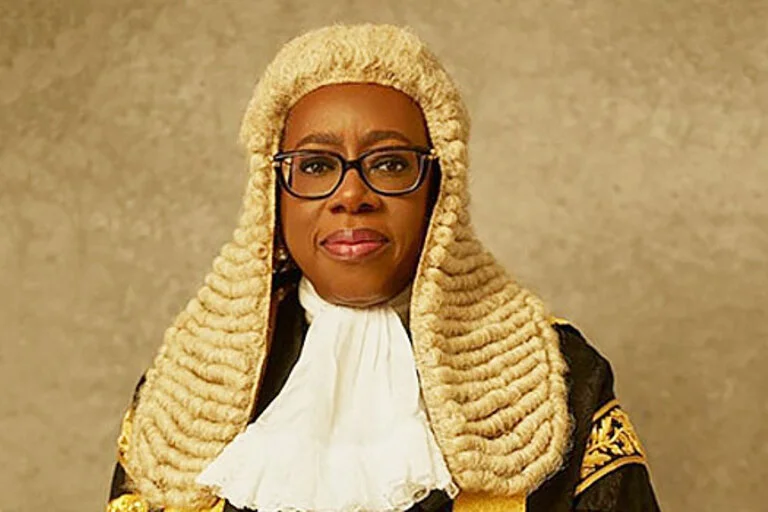
The Nigerian judiciary has ramped up preparations for the 2027 general elections as Chief Justice of Nigeria (CJN), Justice Kudirat Kekere-Ekun, officially swore in 375 judges appointed to serve on the Election Petition Tribunals.
The inauguration ceremony took place on Monday at the Body of Benchers Auditorium in Abuja, coinciding with the launch of the second edition of the Judicial Electoral Manual and a specialized capacity-building workshop for judicial officers. During the event, the CJN charged the newly sworn-in judges to strictly uphold judicial independence, resist political pressure, and administer justice without fear or favor.
Addressing the tribunal members, Justice Kekere-Ekun underscored the necessity of adhering to constitutional mandates, judicial ethics, and the rule of law. She issued a stern warning to political parties, legal practitioners, media organizations, and the general public against unethical behavior aimed at undermining the judicial process.
The CJN specifically cautioned against abusing ex parte applications and running coordinated online campaigns intended to influence pending litigations or intimidate judicial officers. She emphasized that all election petition disputes must be adjudicated strictly on the weight of evidence and applicable legislation rather than public sentiment or political influence, reminding the judges of the critical need for efficient case management within strict statutory timelines.
President of the Court of Appeal, Justice Monica Dongban-Mensem, provided details on the composition of the tribunal panels, revealing that the 375 judicial officers comprise 138 judges with prior election tribunal experience alongside 237 newly nominated members drawn from judicial institutions nationwide.
Justice Dongban-Mensem stressed that a credible electoral cycle depends heavily on impartial, effective, and timely mechanisms for resolving disputes, urging the judges to remain mindful of intense public scrutiny.
Meanwhile, Independent National Electoral Commission (INEC) Chairman, Professor Joash Amupitan, addressed emerging technical challenges expected to complicate forthcoming election litigation notably artificial intelligence-generated deepfakes and disputes surrounding the electronic transmission of results. He emphasized the vital need for robust cooperation between the electoral commission and the judiciary to safeguard democratic institutions and maintain public trust.
The 2027 general elections are officially slated to commence with the Presidential and National Assembly elections on January 16, 2027, followed by the Governorship and State Houses of Assembly elections on February 6, 2027.