

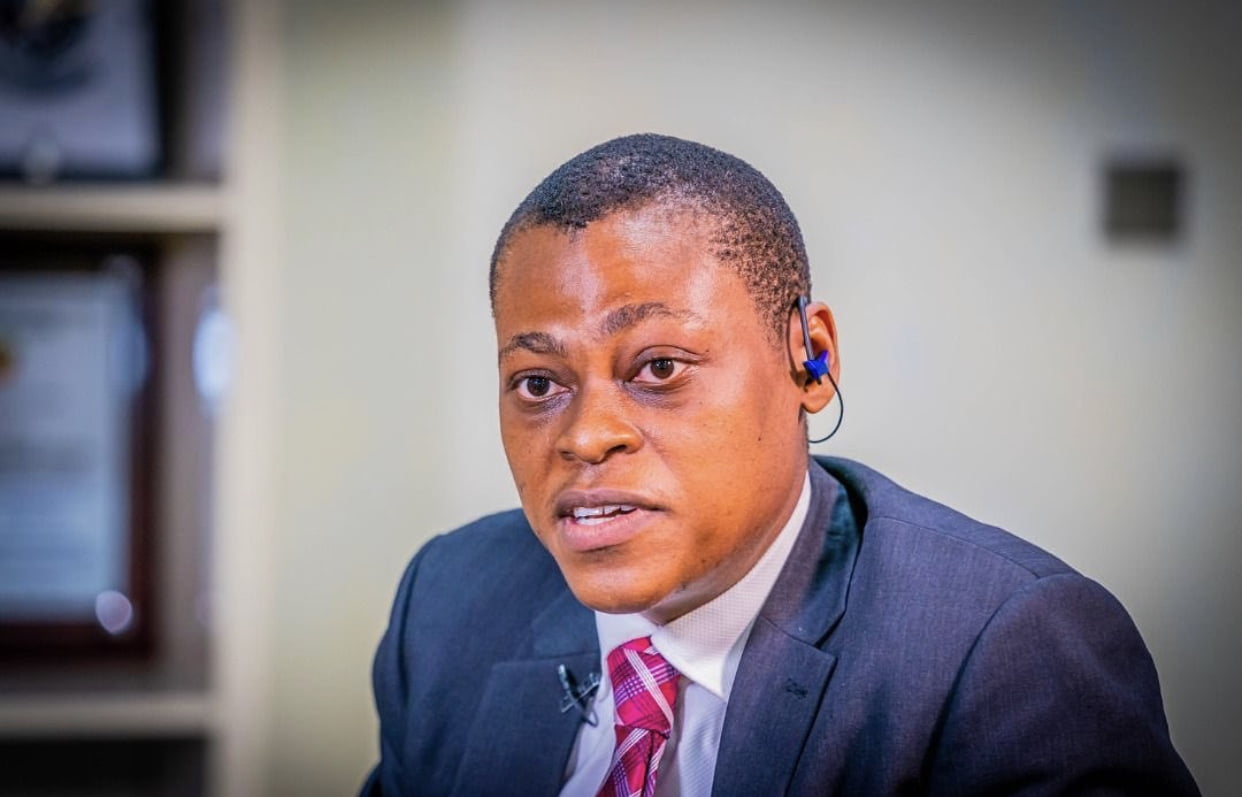
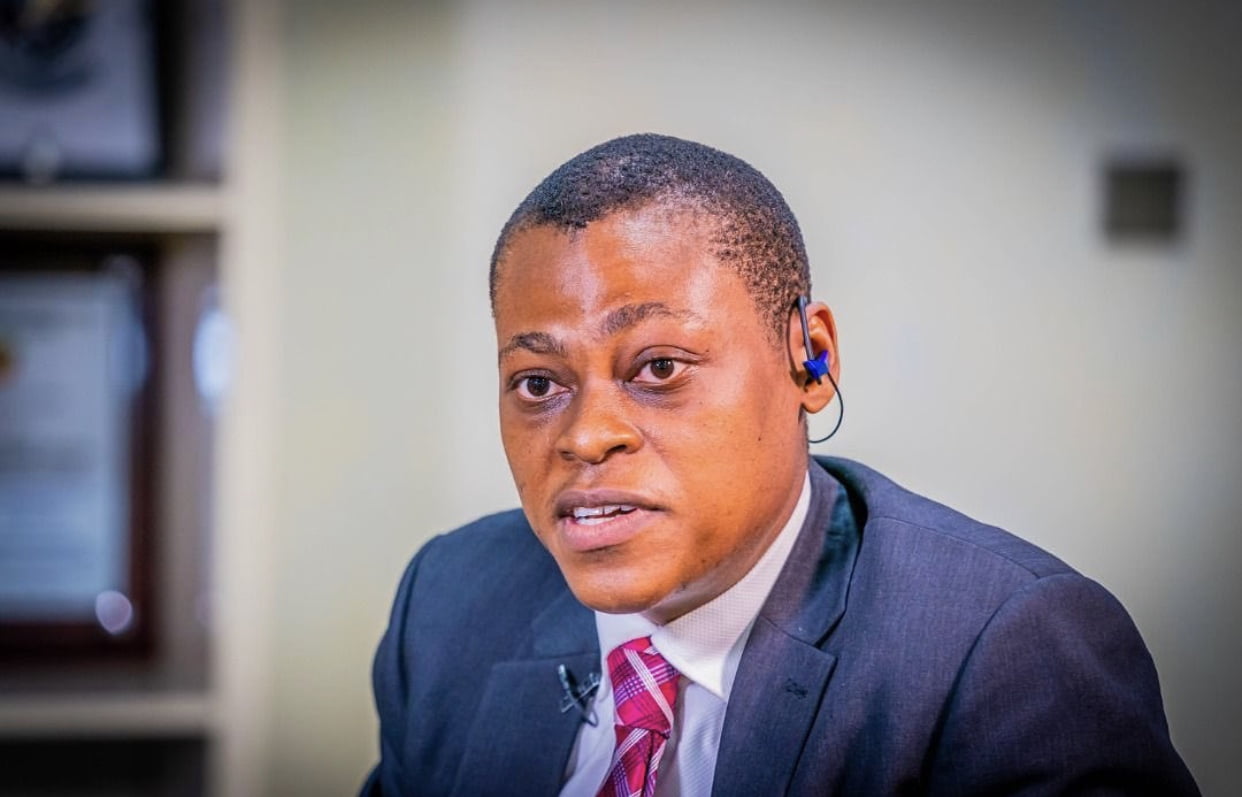
Arise News anchor and journalist, Rufai Oseni has dismissed the viability of laws permitting individual states to generate and distribute their own electricity, asserting that the policy is fundamentally unworkable.
Speaking on Arise Television’s “Morning Show” on Monday, November 2, Oseni acknowledged that while the decentralization framework sounds appealing in theory, sub-national governments lack the requisite financial backing, technical capacity, and infrastructure to execute it.
According to the broadcaster, electricity generation cannot be successfully achieved by legislative fiat alone.
He emphasized that the power sector demands heavy capital investment, steady gas supplies, power plants, robust transmission infrastructure, and functional distribution networks, resources that most states currently do not possess.
“This law making various states own their electricity is not going to be possible. It will never work. Let’s be sincere to ourselves.
“How many states can generate power? Where is the gas? Where is the grid? Where is the money?” Oseni queried.
He pointed out that the Federal Government, despite managing the power sector for over four decades, still struggles to maintain a stable output of 4,000 to 5,000 megawatts for a population exceeding 200 million, frequently battling widespread national grid collapses.
Oseni further noted that because many states continue to struggle with civil servant salary payments and remain heavily reliant on monthly allocations from the Federation Account Allocation Committee (FAAC), it is unrealistic to expect them to fund multi-billion-dollar power plants and transmission grids.
He warned that decentralizing the sector could compound existing challenges, particularly given that current electricity Distribution Companies (DisCos) are already buckling under the weight of current demands.
“If we cannot give Nigerians 24 hours electricity from one centre, how do you want to break it into 36 centres? It will never work,”
Oseni concluded, urging the Federal Government to focus on fixing the national grid, securing gas supplies for generation companies, and stabilizing central transmission instead of implementing impractical laws.