
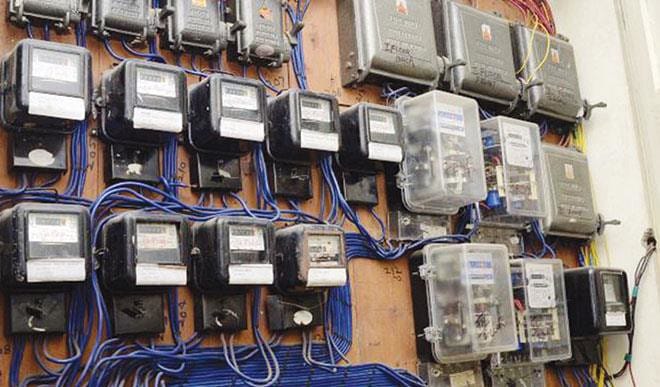

Nigeria’s electricity metering rate increased to 63.1 per cent in August 2026 from 62.4 per cent in July, leaving approximately 4.7 million active customers without meters, according to the Nigerian Electricity Regulatory Commission. The commission’s metering factsheet, published on Wednesday, October 14, showed that metered customers rose from 7,903,819 to 8,045,565, an increase of 1.8 per cent.
However, the number of newly metered customers fell from 159,980 in July to 141,746 in August, indicating a slowdown in installations. The total number of active electricity customers increased by 77,994, or 0.6 per cent, to 12,749,789 during the month. Metering gaps remain a major concern in Nigeria’s electricity sector, with customers without meters billed through estimates rather than measured consumption.
A breakdown across the 11 electricity distribution companies showed significant differences in coverage. Eko Electricity Distribution Company recorded the highest metering rate at 89.6 per cent, up from 89.3 per cent in July. Ikeja Electric followed at 87.7 per cent, slightly below its previous rate of 87.9 per cent. Abuja Electricity Distribution Company improved to 82.6 per cent from 82 per cent.
Port Harcourt DisCo’s coverage rose to 71 per cent from 69.6 per cent, while Benin DisCo increased from 63.2 per cent to 64.4 per cent. Ibadan DisCo recorded 59.2 per cent, up from 58.6 per cent, while Enugu DisCo improved to 52.4 per cent from 52.1 per cent. Jos DisCo had the lowest coverage at 37.6 per cent, although this represented an increase from 36.5 per cent in July.
Yola DisCo’s rate rose from 37.8 per cent to 39.2 per cent. Kaduna DisCo improved from 41.3 per cent to 42.3 per cent, while Kano DisCo increased from 41.6 per cent to 42.8 per cent. The figures showed that Eko, Ikeja and Abuja had metered more than 80 per cent of their active customers, while coverage at Jos, Yola, Kaduna and Kano remained below 43 per cent.
Minister of Power Joseph Tegbe, appointed in June, identified distribution, metering, transparency and sub-national participation as priorities for intervention. The increase in active customers alongside slower meter installations highlights the continuing challenge of closing the gap, even as national coverage improves.