

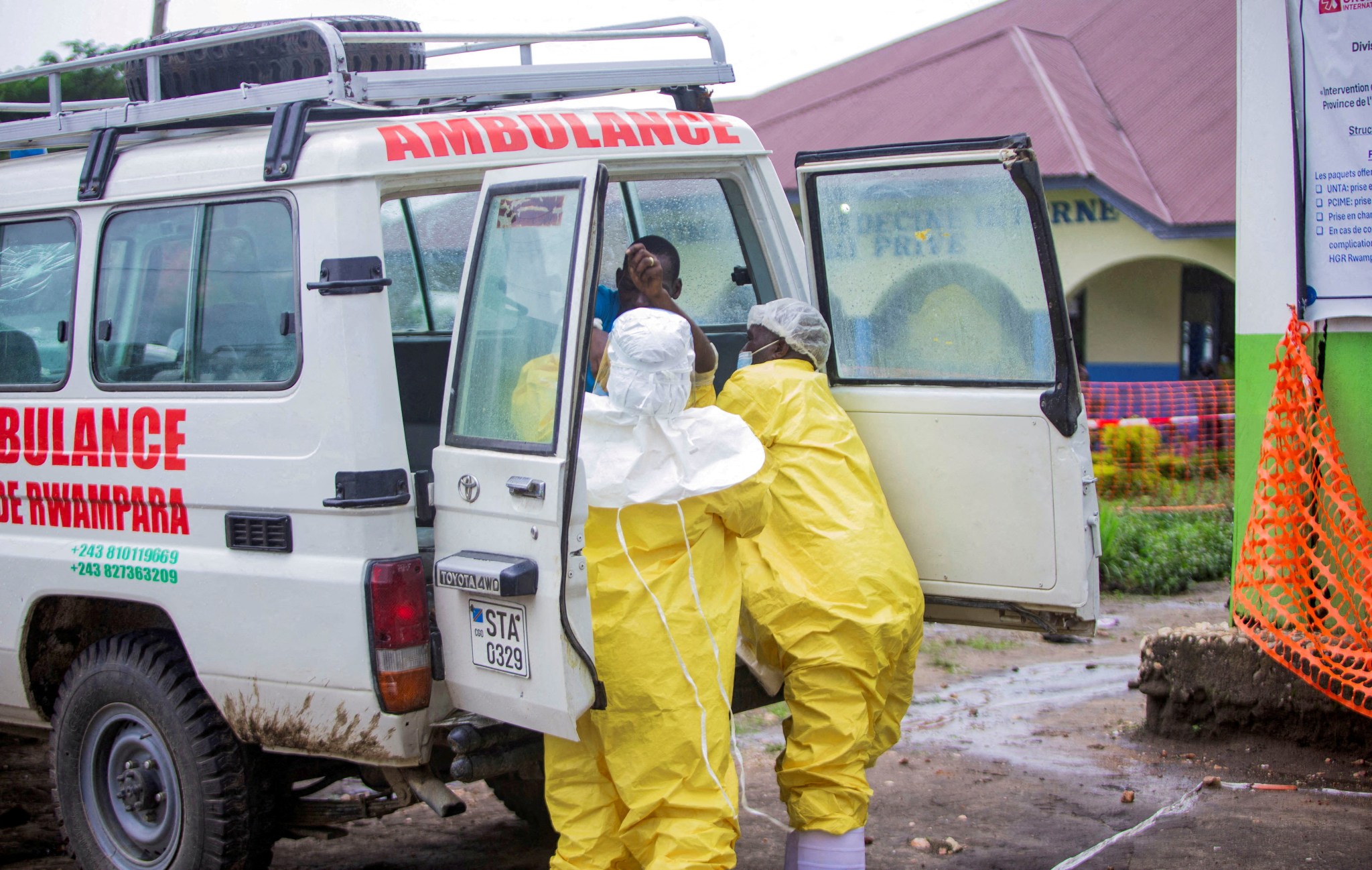

The Democratic Republic of the Congo is facing the fastest-growing Ebola outbreak on record, with more than 1,400 people reported dead and over 3,200 confirmed cases since the outbreak was declared on May 15. According to government figures released on July 6, the death toll has reached 1,405, while confirmed infections have surpassed 3,200.
Health officials say the outbreak is spreading more rapidly than any previous Ebola epidemic. During the 2013-2016 West Africa outbreak, which claimed more than 11,000 lives from over 28,000 confirmed cases, it took around eight months for the death toll to reach 1,000. In the current outbreak, that milestone was reached in just under 10 weeks.
The outbreak is the 17th recorded in the Democratic Republic of the Congo but only the third caused by the Bundibugyo strain of the Ebola virus, for which there is currently no approved vaccine or treatment. The World Health Organization (WHO) has warned that the true number of infections could be between two and four times higher than official figures suggest.
Health authorities have also raised concerns that around 80 per cent of newly reported cases are emerging outside known chains of transmission, making it increasingly difficult to trace infections and contain the spread of the virus. The crisis has been compounded by industrial action from healthcare workers.
Around 100 doctors, nurses and security personnel at the Elikya Ebola Treatment Centre in Bunia, Ituri Province, stopped work and staged protests over unpaid performance bonuses, disrupting treatment at one of the outbreak’s main response centres.
Health workers at Bunia General Hospital, the region’s largest medical facility, also went on strike last week over unpaid salaries. Some staff told the Associated Press they had not been paid since joining the Ebola response.
Speaking to Sky News, Africa Centres for Disease Control and Prevention Director-General Jean Kaseya said the outbreak was being worsened by a lack of resources. “These are people dying,” he said. “They are dying because we don’t have vaccines, we don’t have medicine, we don’t have funding.”
Ebola spreads through direct contact with the blood or bodily fluids of infected people or animals, as well as contaminated objects. The virus can also be transmitted through contact with the bodies of people who have died from the disease.
Symptoms typically appear between two and 21 days after infection and initially include a high fever, severe muscle and joint pain, headaches and a sore throat. Patients may later develop vomiting, diarrhoea, skin rashes, liver and kidney failure, and, in some cases, internal and external bleeding. The Bundibugyo strain has an estimated fatality rate of between 30 and 50 per cent.
Despite the absence of an approved vaccine for the strain, researchers have begun testing an experimental vaccine developed using the same technology as the Oxford-AstraZeneca Covid-19 vaccine. According to the BBC, the first volunteer received the vaccine last week as part of an early-stage clinical trial.
The International Organization for Migration (IOM) has also warned that the movement of Ebola victims’ bodies between different regions of the country for funerals and burials could accelerate the spread of the virus. The organisation noted that Ebola remains highly infectious after death, making safe burial practices a critical part of efforts to contain the outbreak.