

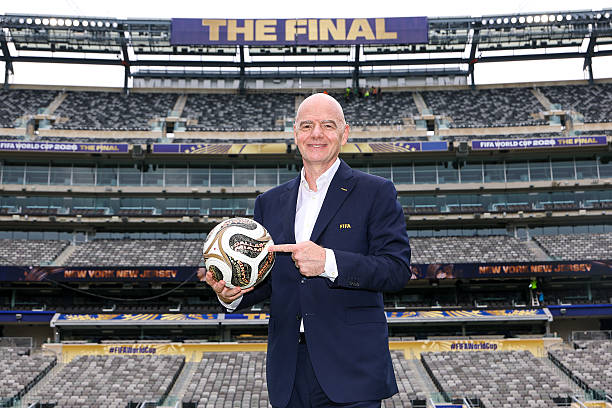
FIFA President Gianni Infantino has announced proposals to further expand the FIFA World Cup beyond the record 48-team format debuting in 2026, potentially pushing toward 64 teams in future editions like 2030.
The move aims to make football “truly global,” but it has ignited fierce arguments over the tournament’s prestige and sustainability.
In recent statements, Infantino emphasized inclusivity: “The World Cup is for the whole world, not just Europe and South America.”
He highlighted the success of the current expansion, noting that more teams from diverse regions bring higher quality and opportunities.
“The whole world must be allowed to dream of the World Cup,” he added, underscoring FIFA’s mission to grow the sport everywhere.
World Cup Expansion History: From Humble Beginnings to Global Phenomenon

The FIFA World Cup has grown dramatically since its inception in 1930.
The inaugural tournament in Uruguay featured just 13 teams and 18 matches, with no formal qualifiers—nations were invited. Uruguay triumphed, defeating Argentina 4-2 in the final.
It stayed modest with 15-16 teams through the 1950s-1970s.
The 1982 edition in Spain marked a jump to 24 teams, introducing more group-stage drama.
By 1998 in France, it expanded to 32 teams, a format that defined the tournament for over two decades, delivering iconic moments like France’s victory and underdog runs.
The 2026 co-hosted tournament in the United States, Canada, and Mexico represents the latest leap to 48 teams and a massive 104 matches—up from 64 in the 32-team era.
This change has already boosted participation, with Africa gaining significantly more slots.
Infantino has championed these changes: “We want to host the biggest, the best, the greatest, the most inclusive World Cup in the history of FIFA.”
He envisions even broader access, arguing it elevates global football standards.
Arguments Against Further Expansion
Critics warn that pushing to 64 teams could dilute the magic. More matches risk “viewer fatigue,” with early rounds featuring lopsided games that lack the high-stakes intensity fans crave.
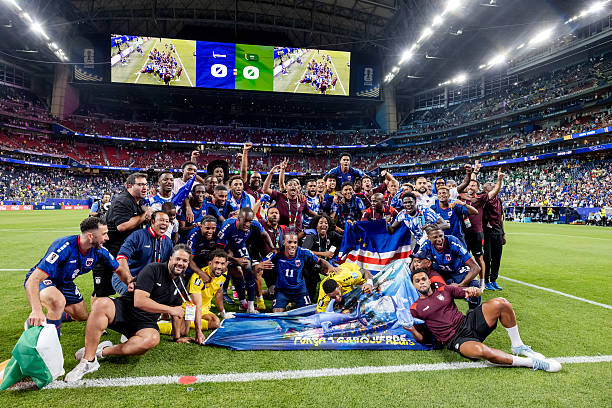
Former players and analysts argue it turns the group stage into a mere “filtering process” rather than compelling football.
Player welfare is a major concern. An extended tournament adds physical and mental strain amid packed club schedules, heat, and travel.
FIFPRO representatives have voiced fears of burnout for top talents.
Broadcasters worry about diluted elite matchups, while some fear it erodes the “perceived consequence” that makes every game feel monumental.
Skepticism abounds within FIFA circles too, with sources noting 64 teams might “damage the business model” through uncompetitive fixtures and logistical challenges.
Benefits for Africa and Nigeria
Despite debates, expansion offers huge potential for underrepresented regions, especially Africa.
The shift to 48 teams in 2026 has nearly doubled Africa’s slots to around nine or ten (including play-offs), up from five.
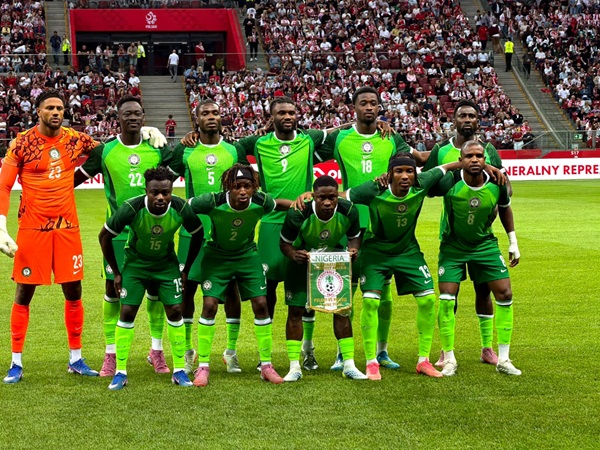
This has already translated into more knock-out successes and visibility.
For Nigeria and the continent, further growth could mean even greater financial windfalls—guaranteed payments of millions per participating nation for preparation and qualification, plus boosted sponsorships, broadcasting deals, and infrastructure investment.
More African teams enhance talent development, diaspora player eligibility, and domestic league appeal.
Nigeria, a football powerhouse, stands to gain from increased exposure, potentially attracting investment in youth academies and stadiums.
Economically, mega-tournaments drive jobs in hospitality, construction, and tourism.
Long-term, they position nations like Nigeria as global football hubs, fostering economic growth and national pride.
As FIFA discusses these proposals post-2026, the balance between inclusivity and tradition remains key.
Infantino’s vision promises a more democratic World Cup, but success hinges on preserving what makes the tournament legendary.
Football fans worldwide will watch closely as the beautiful game evolves.