

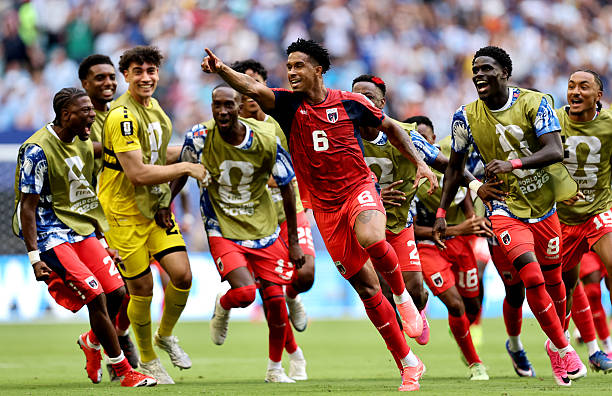
In one of the most captivating stories of the 2026 FIFA World Cup so far, debutants Cabo Verde (Cape Verde) held powerhouse Uruguay to a 2-2 draw on Sunday at Hard Rock Stadium in Miami.
The result follows their stunning 0-0 opening draw against Spain, positioning the Blue Sharks as the tournament’s ultimate feel-good underdogs with two points from two games in a wide-open Group H.
The match was a rollercoaster.
Cabo Verde took a shock 21st-minute lead when Kevin Pina curled home a stunning 30-35 yard free-kick — the nation’s first-ever goal at a World Cup — finding the bottom corner through a gap in the Uruguayan wall.
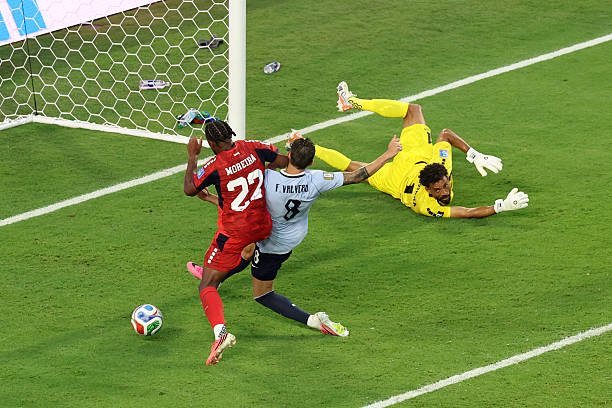
Uruguay responded with two quick goals just before halftime: Maxi Araújo leveled it, and Agustín Canobbio put the South Americans ahead deep in first-half stoppage time.
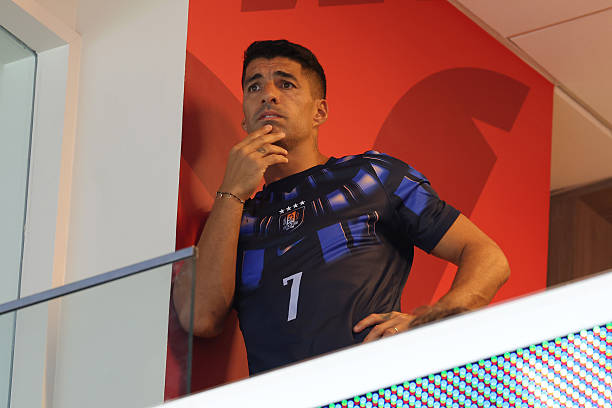
But the islanders refused to fold. Substitute Hélio Varela came off the bench and scored the equalizer in the 61st minute, capitalizing on defensive lapses to snatch a point just minutes after entering the pitch.
Goalkeeper Josimar ‘Vozinha’ Dias delivered more heroics between the posts, echoing his standout performance against Spain.
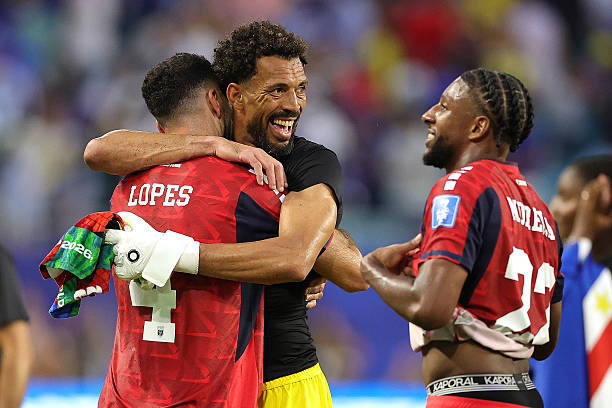
For a nation of roughly 500,000-600,000 people, these results are nothing short of miraculous.
Cabo Verde have faced two former World Cup winners (or contenders with elite pedigrees) and emerged unbeaten, scoring their first World Cup goal in style while showcasing organization, discipline, and clinical finishing on the counter.
How Does This Compare to Historic African Debutants?
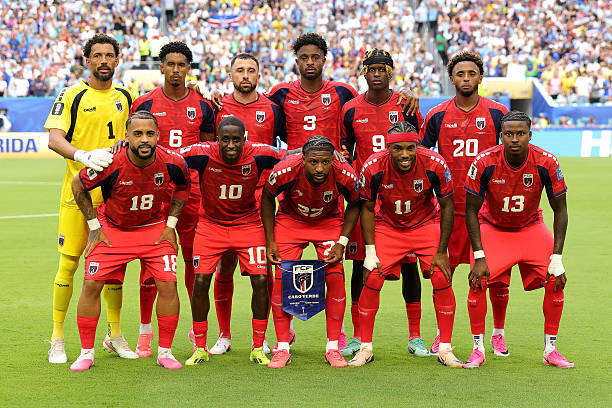
Cabo Verde’s early showing stands out among African nations making their World Cup bow, many of whom faced steep challenges but delivered memorable moments:
Senegal (2002): The Lions of Teranga made the most explosive debut in African history, stunning reigning champions France 1-0 in their opener (Papa Bouba Diop) and reaching the quarterfinals — the joint-best by an African side at the time alongside Cameroon. Their blend of power, pace, and fearless play set a high bar.
Cameroon (1982/1990): The Indomitable Lions reached the quarterfinals in 1990 (first African team to do so), famously beating defending champions Argentina 1-0.
Roger Milla’s heroics became legendary. Their 1982 debut was solid but less spectacular.
Nigeria (1994): The Super Eagles impressed on debut with attacking flair, including a notable 3-0 win over Bulgaria, though they exited in the round of 16.
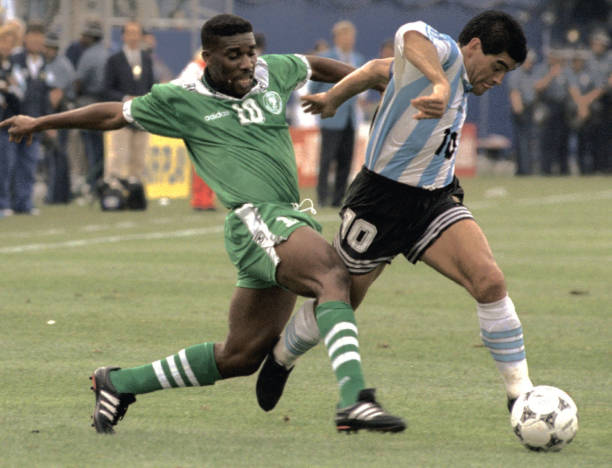
Other early debuts like Morocco (1970), Tunisia (1978), and later sides (Ghana 2006) often earned respect through competitive showings or first wins/points, but few matched the consistency of staying unbeaten against top opposition like Cabo Verde has so far.
What sets Cabo Verde apart is the context: as one of the smallest nations at the expanded tournament, they are punching enormously above their weight without relying on star power.
Also read: Egypt Secures Historic First World Cup Victory
Their defensive resilience (few fouls conceded, strong goalkeeping) and ability to punish errors have drawn widespread praise, with commentators calling it “the best story of the World Cup.”
Next up for Cabo Verde is Saudi Arabia.
A win could realistically send them into the knockout stages — a dream outcome that would further cement their place in African and World Cup folklore.
Uruguay, meanwhile, faces pressure to secure progression against Spain in their final group game.
Whether they advance or not, the Blue Sharks have already captured hearts.
In a tournament full of giants, this tiny archipelago is reminding everyone why the World Cup’s magic endures.