

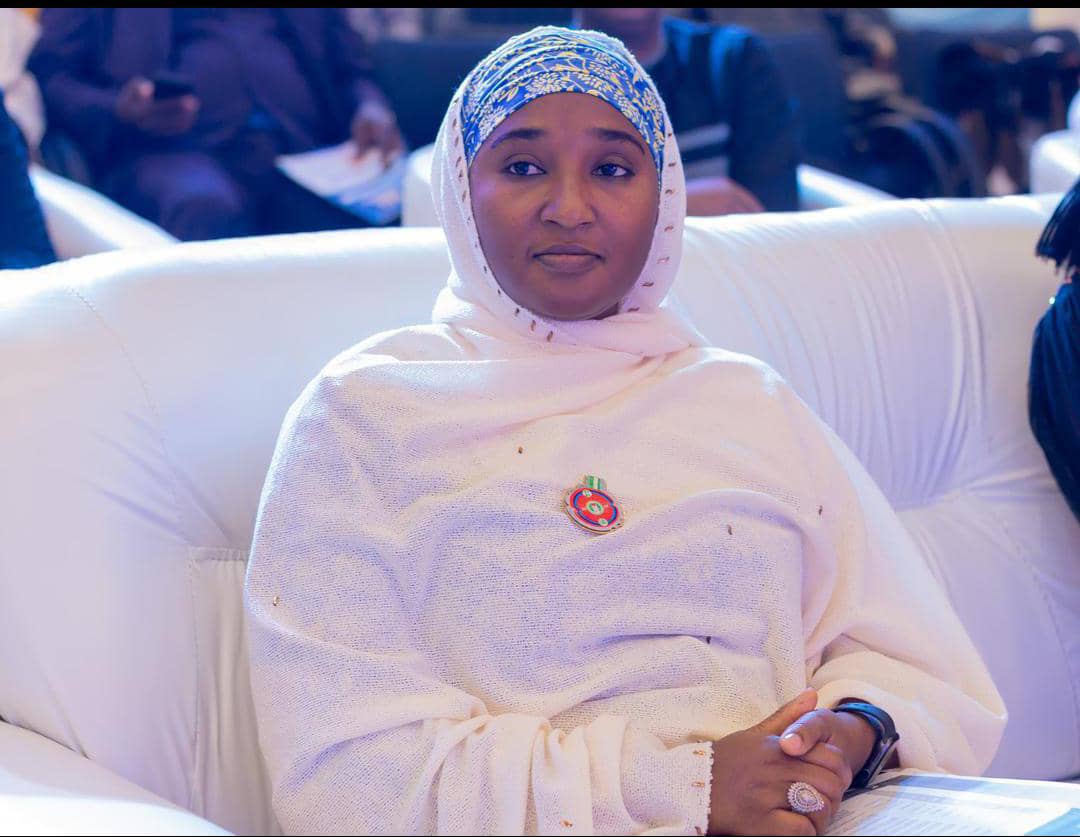
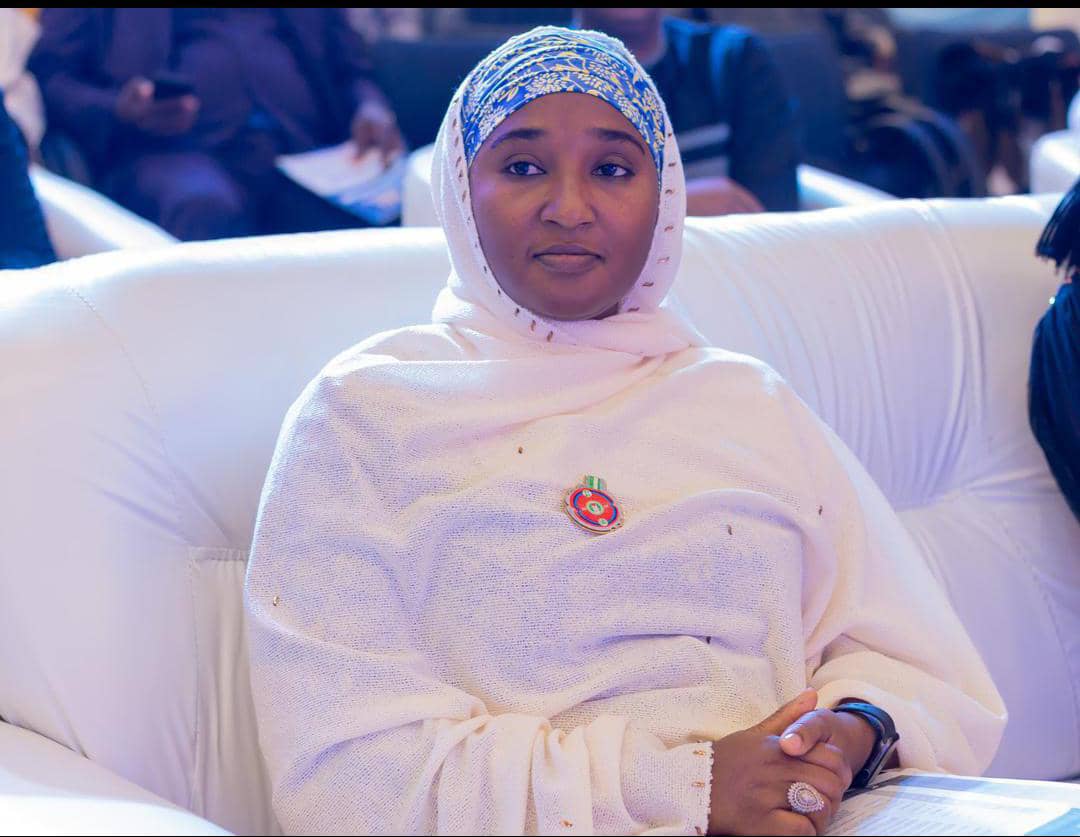
Nigeria’s Minister of State for Education, Suwaiba Ahmad, says the country is battling a major skills gap among young people, revealing that even basic jobs like tiling are often being handled by foreign workers.
Speaking on Friday, May 29, during Channels Television Youth Forum, Ahmad said Nigeria lacks experienced hands in several practical and technical trades despite high youth unemployment. “As I mentioned earlier, we did a skill gap analysis, and we realised that there are a lot of skills that we don’t have experienced hands in,” she said.
The minister pointed to opportunities in the growing solar energy sector, saying many positions remain unfilled because of a shortage of trained workers. “Skills that generate a lot of money, for instance, this issue of solar light. There are a lot of openings and opportunities for youths there, but then we don’t have experienced hands there,” Ahmad stated. She also lamented that neighbouring African workers are often brought into Nigeria for tiling jobs while many Nigerian youths remain unemployed.
“For simple tiling, we employ people from outside the country, our neighbouring African countries, to come and tile our houses, but we have our youths running around with no money,” she said. “These kinds of jobs, you discover that at the end of the month they make a lot of money, much more than a graduate.” Ahmad said the Federal Government is attempting to close the gap through its Technical and Vocational Education and Training (TVET) programmes.
According to her, 25 different skill areas have already been identified under the initiative, with both six-month and one-year training programmes currently running nationwide. “In the first cohort, we have more than 100,000 students that have already started this,” she explained. “In fact, some of the students, the youth that have started, have even graduated, and we are giving them a starter pack at the end of it.”
The comments echoed remarks made by Ayodele Olawande, who also appeared on the programme and stressed that academic qualifications alone are no longer enough in today’s economy.
“One of the things I have always emphasised is skill development. Certificates alone may not be what is needed,” Olawande said. “You would discover that a lot of people going to school today are just going to school to become graduates. The skill gap should be addressed at the root of the matter.”