

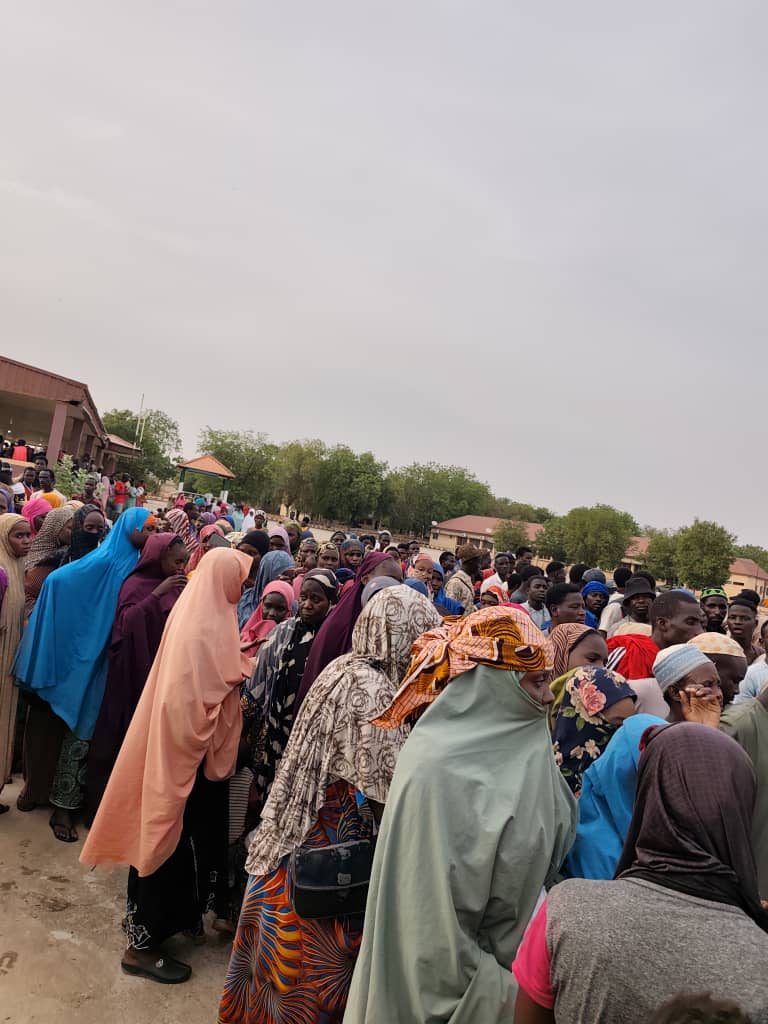
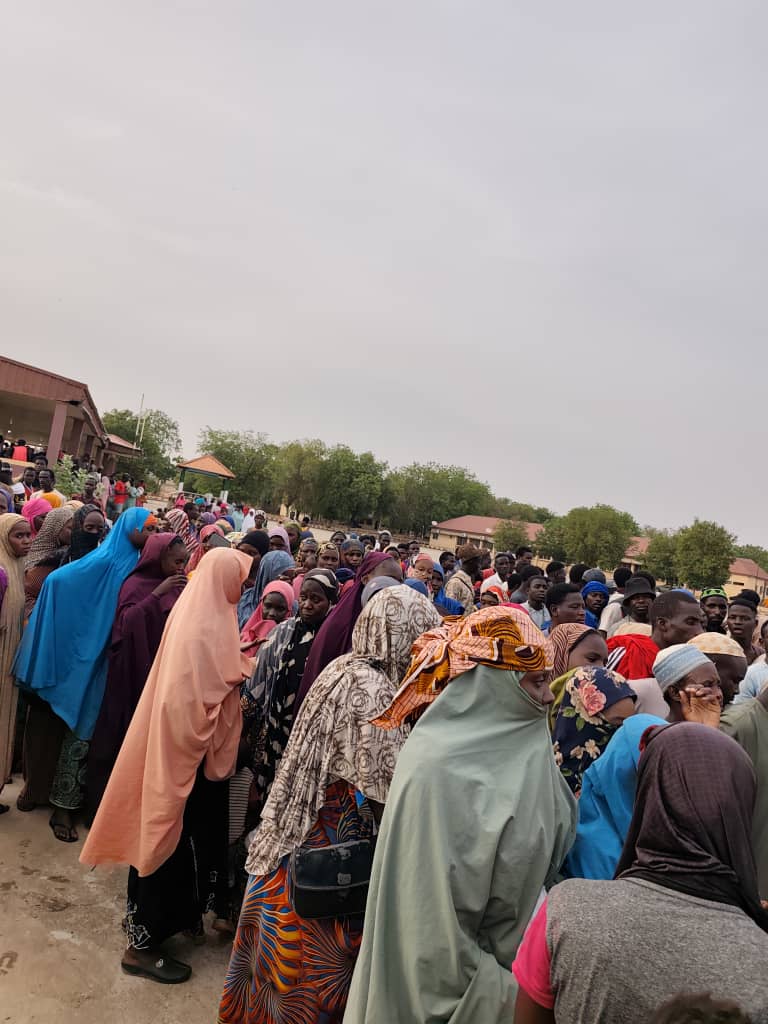
497 Nigerian migrants evacuated from Niger Republic through the Jibia border have been received in Nigeria by the National Commission for Refugees, Migrants and Internally Displaced Persons (NCFRMI).
The returnees arrived at the Mallam Aminu Kano International Airport at about 12:25pm on Friday, May 22, from Agadez in Niger Republic.
The migrants were received by officials of the commission’s Kano Field Office alongside other relevant agencies.
Speaking during the reception, the Federal Commissioner of the commission, Dr. Tijjani Aliyu Ahmed, said the evacuation followed a coordinated humanitarian effort by the Federal Government in collaboration with the International Organization for Migration (IOM).
Represented at the exercise by the Kano Field Coordinator of the commission, Lubah Liman, the commissioner said the returnees were evacuated under the Voluntary Humanitarian Return programme of the IOM.
He said the Ministry of Foreign Affairs, through its Consular and Migration Affairs Division, had earlier notified the commission of the planned evacuation of stranded Nigerian migrants from Agadez between May 22 and 25, 2026.
According to him, the evacuation exercise is being carried out in two batches in collaboration with the IOM and relevant government agencies.
“The first batch, initially projected to comprise about 600 returnees, arrived with a total of 497 persons,” he said.
The reception exercise was coordinated by the commission in collaboration with agencies including the National Agency for the Prohibition of Trafficking in Persons (NAPTIP), National Emergency Management Agency (NEMA), Nigeria Immigration Service, Nigeria Security and Civil Defence Corps (NSCDC), National Drug Law Enforcement Agency (NDLEA), the Department of State Services (DSS), SEMA and the Nigerian Red Cross Society.
He explained that the returnees were taken through documentation processes, including MIDAS registration by the Nigeria Immigration Service, before being moved to the Immigration Training School in Kano for feeding, profiling and other humanitarian support services.
A breakdown of the returnees showed that there were 174 adult males, 97 adult females, 137 boys, and 89 girls.