

Oil prices surged close to $120 per barrel on Monday, March 9, following Iran’s announcement of a new supreme leader, before later retreating to around $106.23 per barrel.
The appointment of Mojtaba Khamenei signaled the continued dominance of hardline leadership in Tehran, raising fears of prolonged disruption to shipping through the Strait of Hormuz and sending shockwaves through global financial markets.
Brent crude, the global oil benchmark, climbed to an early high of $119.50 per barrel before easing back to $106.23. Meanwhile, West Texas Intermediate, the main U.S. crude benchmark, rose to $119.48 before dropping to $101.25.
Tensions in the region intensified as the conflict expanded across key energy zones. Bahrain accused Iran of targeting a desalination facility essential for drinking water supplies, while Israeli strikes reportedly hit oil depots in Tehran overnight, leaving facilities smoldering.
The ongoing conflict, now entering its second week, has increasingly involved areas critical to oil and gas production and transport in the Persian Gulf. Concerns about the stability of supply routes have heightened volatility across energy markets.
Prices cooled slightly after reports that members of the Group of Seven were discussing the possible release of strategic oil reserves to help stabilize global supply. The discussions, reported by sources familiar with the talks, have not been officially confirmed.
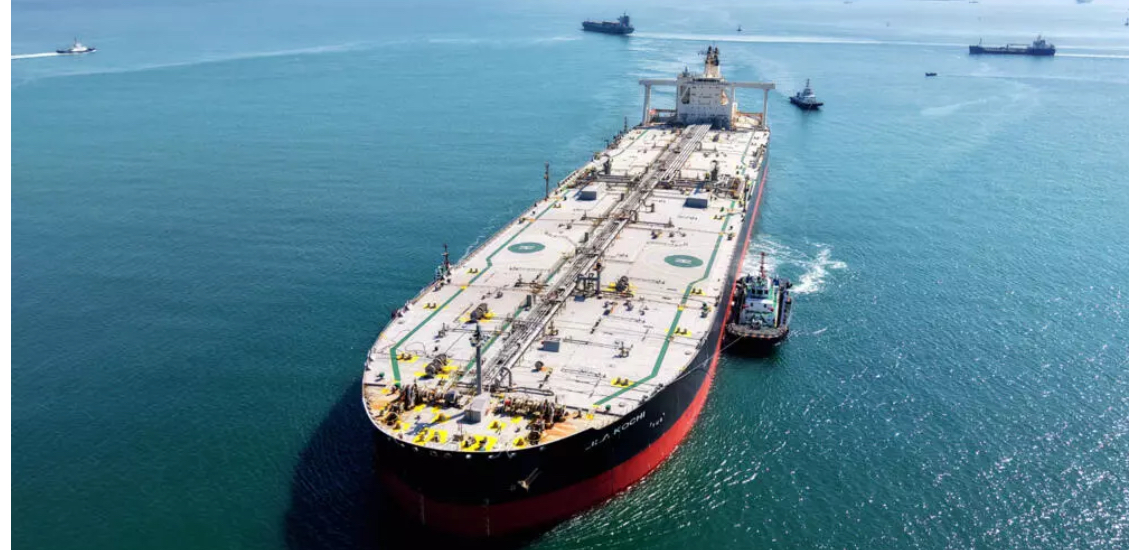
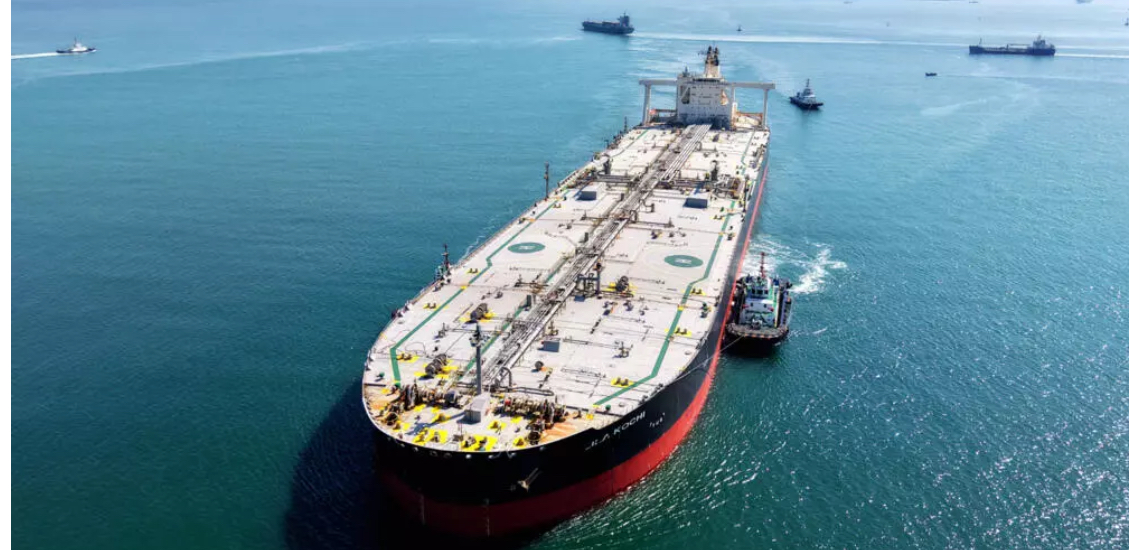
Around 15 million barrels of crude oil roughly 20 percent of global supply typically pass through the Strait of Hormuz each day. The narrow waterway, bordered by Iran to the north, serves as a vital export route for oil and gas from Saudi Arabia, Kuwait, Iraq, Qatar, Bahrain, the United Arab Emirates and Iran.
However, the threat of missile and drone attacks has forced many tankers to halt their movement through the corridor.
Several Gulf producers, including Iraq, Kuwait and the United Arab Emirates, have reportedly reduced production as storage facilities fill up due to limited export capacity.
Meanwhile, attacks on oil and gas infrastructure by Iran, Israel and the United States since the outbreak of the war have further deepened concerns over supply disruptions.
U.S. President, Donald Trump said over the weekend that he was not interested in negotiating with Iran, suggesting the conflict could end only if Iran no longer maintains a functioning military or leadership structure.
Hopes for de-escalation faded further when Iran formally designated Mojtaba Khamenei as the country’s new supreme leader, succeeding his father, Ali Khamenei.
The surge in oil and natural gas prices is already pushing fuel costs higher worldwide, placing additional pressure on economies that rely heavily on energy imports particularly across Asia.
The last time oil prices approached current levels was in 2022 following the outbreak of the Russian invasion of Ukraine.
Rising energy costs typically fuel inflation, squeezing household budgets and weakening consumer spending, which is a key driver of economic growth in many countries.
Global stock markets reacted sharply. Japan’s Nikkei 225 fell by 5.2 percent on Monday, while U.S. futures also slipped by more than 1.5 percent.
On Friday, the S&P 500 dropped 1.3 percent, and the Dow Jones Industrial Average briefly plunged by as much as 945 points before closing about 450 points lower. The Nasdaq Composite declined by 1.6 percent.
In the United States, the average price of regular gasoline climbed to about $3.45 per gallon, roughly 47 cents higher than the previous week, according to the AAA. Diesel prices rose even more sharply, reaching around $4.60 per gallon.
U.S. Energy Secretary Chris Wright said during an interview on State of the Union that fuel prices could fall below $3 per gallon again in the near future.
Analysts warn that if oil prices remain above $100 per barrel for an extended period, the global economy could face serious strain.
Iranian officials said Israeli strikes on oil depots and a petroleum transfer facility in Tehran early Sunday killed four people. Israel’s military said the sites were being used to supply fuel for missile launches.
Iran’s parliament speaker, Mohammad Bagher Qalibaf, warned that the conflict could have far-reaching consequences for the global oil industry.
Iran currently exports about 1.6 million barrels of oil daily, with much of it shipped to China. Any disruption to those exports could force China to seek alternative suppliers, potentially pushing global energy prices even higher.
Natural gas prices have also risen during the conflict, though less dramatically than oil. Prices recently climbed to around $3.33 per 1,000 cubic feet, up 4.6 percent from the previous trading session after gaining roughly 11 percent last week.