

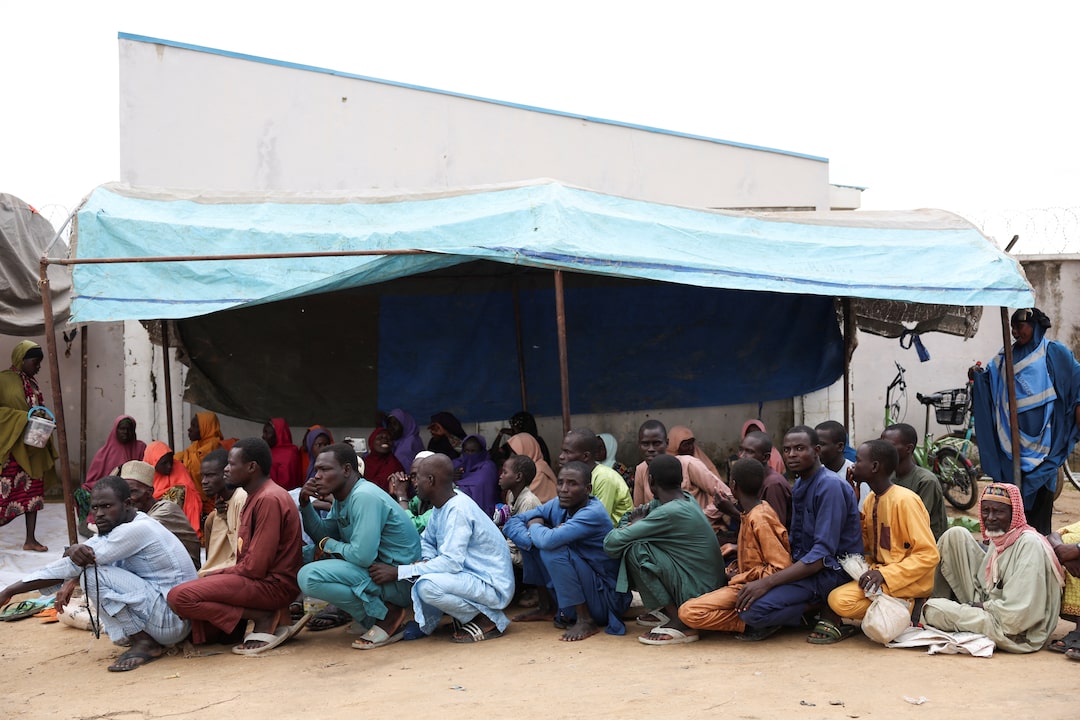

The U.N. World Food Programme (WFP) on Friday, January 16, warned that thousands of people in northeast Nigeria are facing the risk of catastrophic food shortages for the first time in nearly ten years, as cuts to humanitarian assistance deepen malnutrition across the region.
According to the report, Borno State alone, around 15,000 people are at risk, while more than 13 million children in the Northeast are projected to suffer malnutrition in 2026, the agency said.
Conflict, displacement, and economic pressure have driven food insecurity for years, but WFP said reductions in humanitarian aid were now pushing vulnerable communities beyond their ability to cope. “The reduced funding we saw in 2025 has deepened hunger and malnutrition across the region,” said Sarah Longford, WFP’s deputy regional director for West and Central Africa.
Across West and Central Africa, 55 million people are facing severe food shortages, with more than three-quarters of those affected located in Nigeria, Chad, Cameroon, and Niger, WFP said.
The U.N. agency did not cite specific financial figures, but international aid groups have raised alarms since the Trump administration reduced assistance as part of its “America First” policy last year, while Britain and other donors also cut aid budgets to redirect spending toward defense.
Funding shortfalls in 2025 forced WFP to scale back nutrition programmes in Nigeria, affecting more than 300,000 children, after the agency warned that nearly 35 million people could go hungry as its resources were exhausted in December.
“In Nigeria, WFP will only be able to reach 72,000 people in February, a drastic reduction from the 1.3 million assisted during the 2025 lean season,” WFP said.
Insecurity in Mali has disrupted food supply routes and left 1.5 million people facing crisis levels of hunger, while more than half a million people in Cameroon risk being cut off from aid in the coming weeks, the statement added.
WFP said it needed more than $453 million over the next six months to maintain humanitarian assistance across the region.
It warned that without urgent resources and immediate action, the most vulnerable people in West and Central Africa are headed for yet another dire year. “To break the cycle of hunger for future generations, we need a paradigm shift in 2026. National governments and their partners must increase investment in preparedness, anticipatory action, and resilience-building to empower communities,” said Longford.
WFP reiterated that it urgently requires more than $453 million over the next six months to continue life-saving operations in the region.